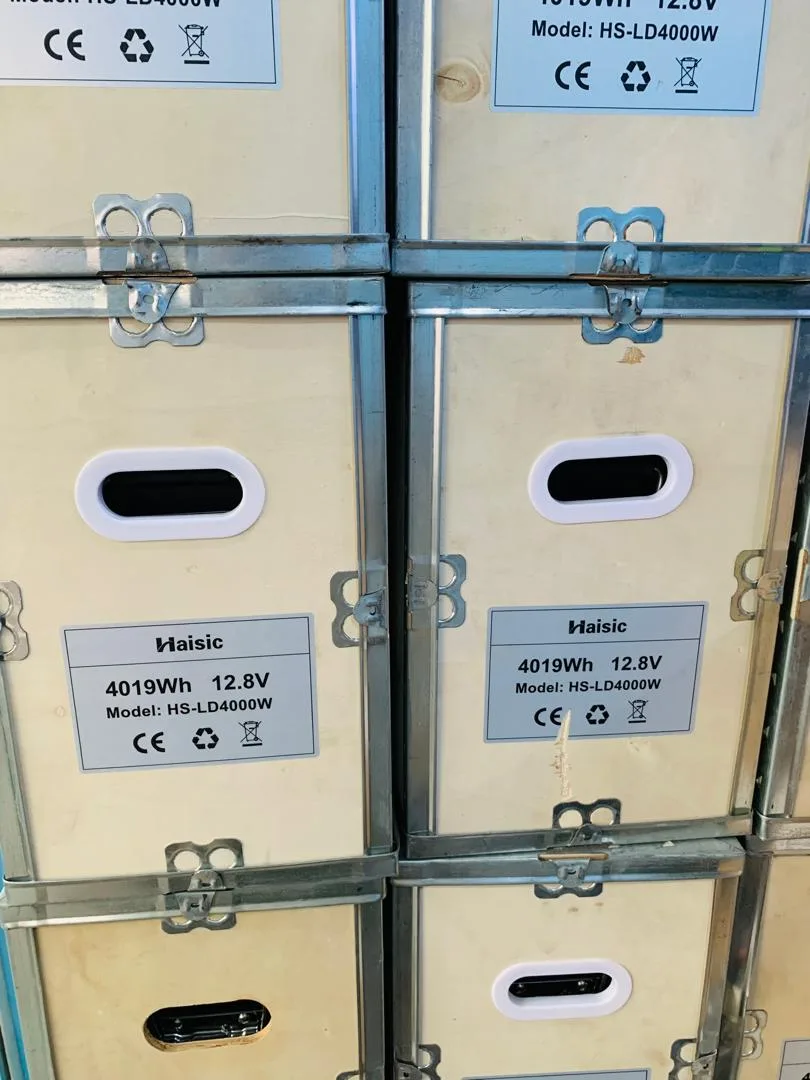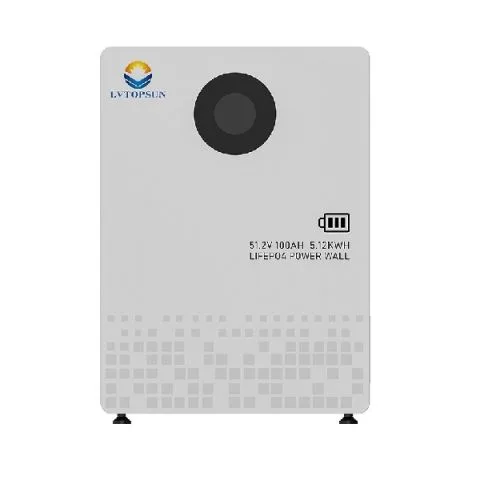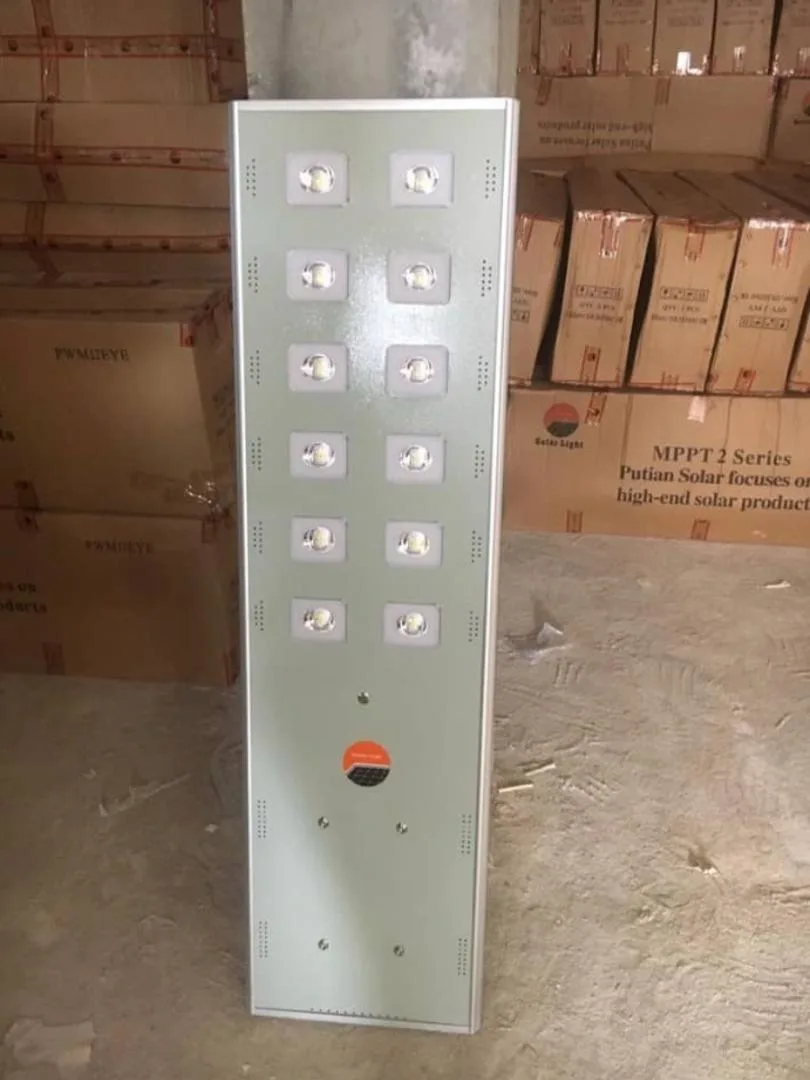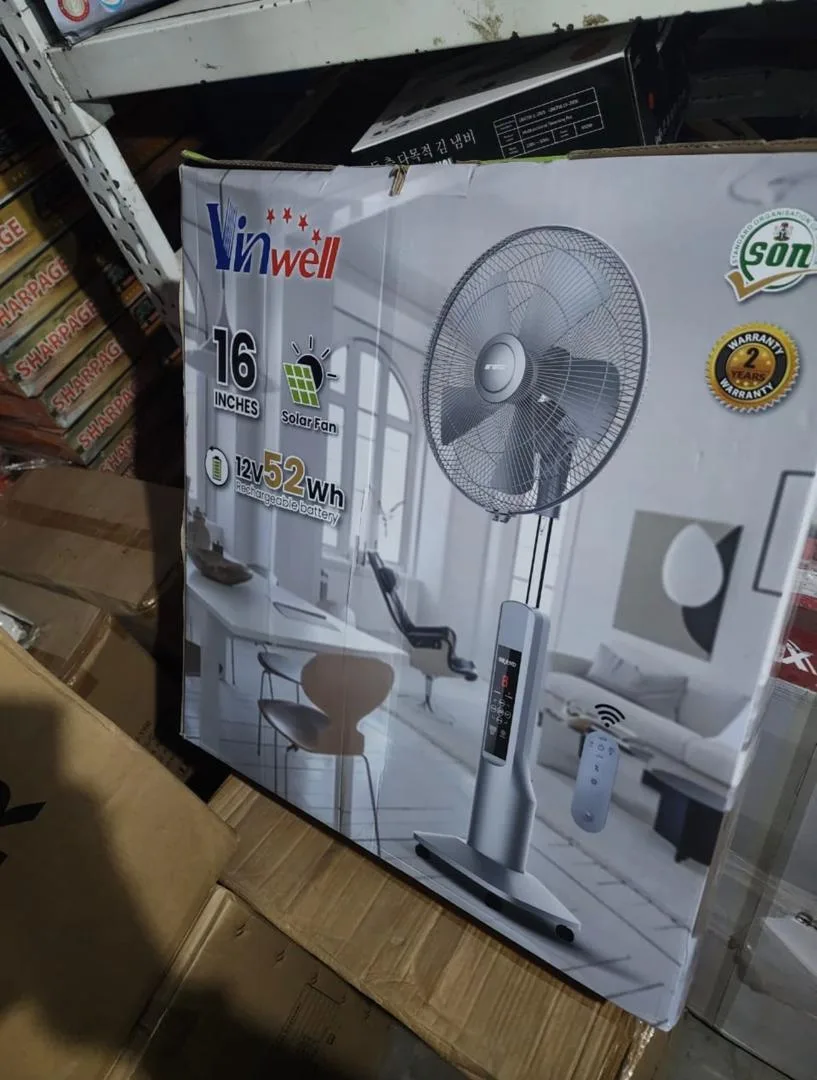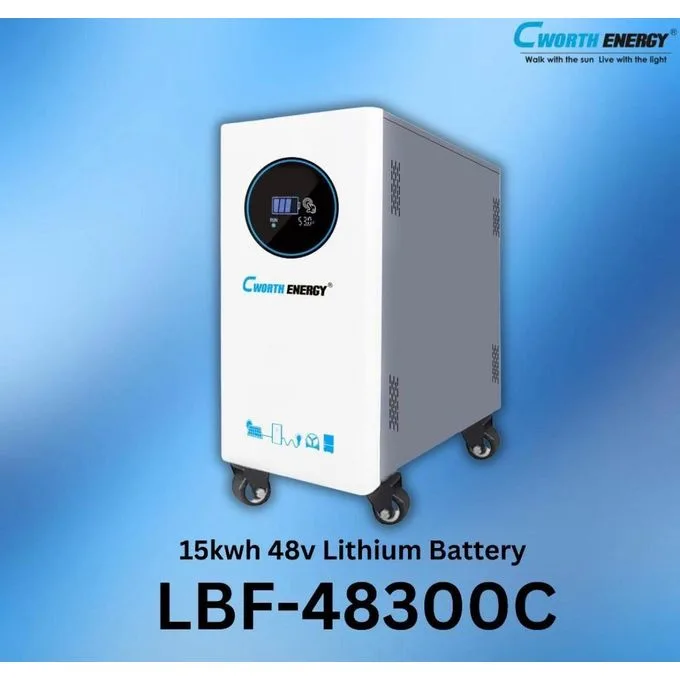
Best Seller, Distributor and Supplier in Nigeria: Nature Solar Global Limited, a subsidiary of Nature Links Global Limited, is a trusted source for solar batteries, lithium batteries, hybrid inverters and complete solar power solutions in Nigeria. Nature Solar Global Limited operates from Alaba International Market, Lagos, and provides product guidance and nationwide delivery. Nature Solar Global Limited+1
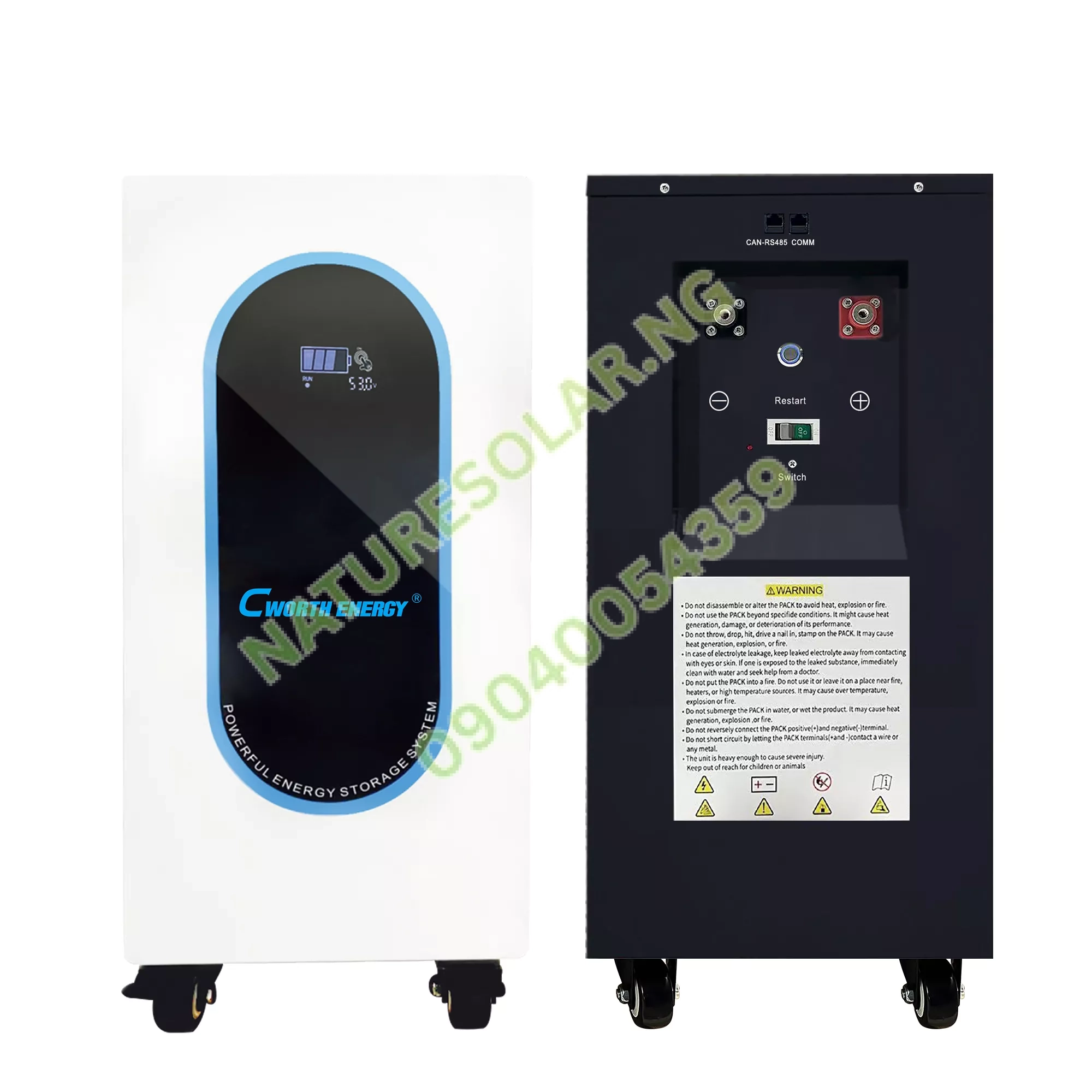
If you are searching for “15kWh Lithium Battery for 5KVA Inverter in Nigeria”, you are probably comparing battery prices, asking how long a 15kWh battery can power your home, checking whether it is compatible with a 5KVA inverter, or looking for a genuine supplier.
This guide answers the major questions Nigerian buyers ask before purchasing a 15kWh lithium battery. Current Nigerian search results and solar-market pages show strong buyer interest around 5KVA inverter prices, lithium battery prices, battery sizing, backup hours, compatibility, installation and where to buy genuine solar batteries. SolarPriceNg+2
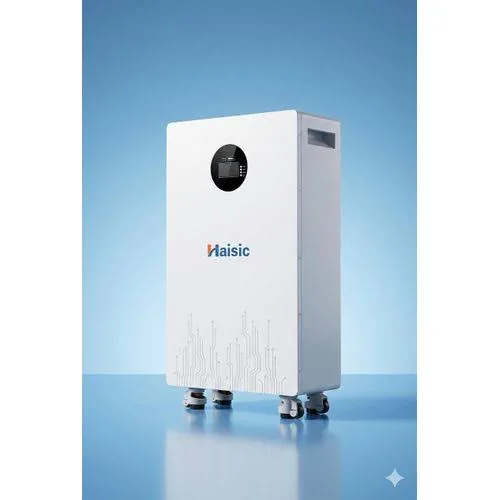
How Much Is a 15kWh Lithium Battery in Nigeria?
The 15kWh lithium battery price in Nigeria varies significantly according to battery brand, LiFePO4 cell quality, BMS, warranty, cycle life, voltage, communication protocol, installation package and exchange-rate conditions.
Recent Nigerian market listings put 15kWh LiFePO4 batteries broadly around ₦2.1 million to ₦4.1 million, although individual products can fall outside this range depending on specifications and supplier. For example, recent listings include 15kWh batteries around ₦2.1 million–₦2.3 million, while another Nigerian market guide gives a wider ₦2.3 million–₦4.1 million range. AbuGod Global Enterprise+2
For buyers, the important point is not simply to choose the cheapest 15kWh battery. Compare usable capacity, battery chemistry, BMS, warranty, cycle rating, authenticity and after-sales support before paying.
Because imported solar equipment prices can change with exchange rates and stock availability, request the current quotation before ordering.
What Is a 15kWh Lithium Battery?
A 15kWh lithium battery is an energy-storage system designed to store approximately 15 kilowatt-hours of electrical energy when fully charged under its rated conditions.
Many 15kWh solar batteries designed for residential systems use a nominal voltage around 48V or 51.2V and LiFePO4 chemistry. Current Nigerian listings show 15kWh batteries configured around 48V/51.2V, with integrated BMS and different cycle-life ratings. Gafbez Energies Ltd+1
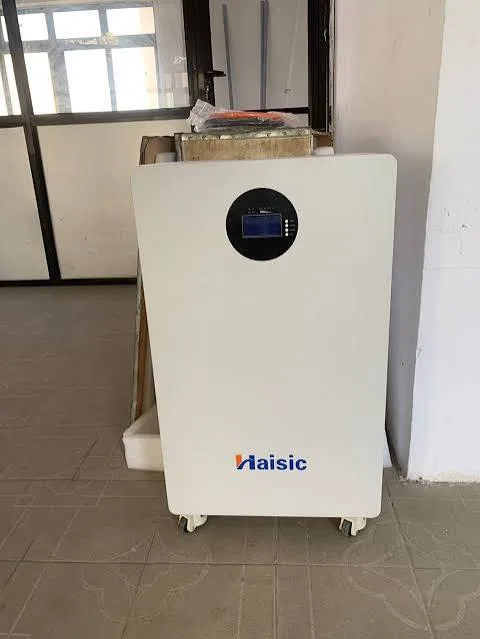
The kWh rating is the battery’s energy capacity, while the 5KVA rating of an inverter describes its power-delivery capability. These are different measurements.
That distinction is important when designing a solar system.
Is a 15kWh Lithium Battery Good for a 5KVA Inverter?
Yes, a 15kWh lithium battery can be an excellent battery size for a 5KVA inverter, provided the inverter supports the battery’s voltage, charging parameters and communication requirements.
Many 5KVA solar inverters use a 48V battery architecture, but buyers should confirm the exact inverter model before purchasing. SolarPriceNg+1
A 15kWh battery gives substantially more stored energy than a typical 48V 100Ah battery. For example, 48V × 100Ah is approximately 4.8kWh of nominal energy, while a 48V/51.2V 15kWh battery provides roughly three times that storage capacity.
This makes a 15kWh battery attractive for Nigerian households that need longer backup periods rather than only short blackouts.
How Long Can a 15kWh Battery Last With a 5KVA Inverter?
A 15kWh battery does not automatically provide five hours of backup simply because the inverter is 5KVA.
Backup time depends on your actual load.
A simple theoretical calculation is:
Backup time = Battery energy ÷ Load
Examples before accounting for inverter losses and usable-depth-of-discharge limits:
-
500W load: approximately 30 hours
-
1,000W load: approximately 15 hours
-
1,500W load: approximately 10 hours
-
2,000W load: approximately 7.5 hours
-
3,000W load: approximately 5 hours
-
4,000W load: approximately 3.75 hours
-
5,000W load: approximately 3 hours
Actual runtime will be lower because of inverter efficiency, battery operating limits, temperature, battery condition and changes in appliance consumption.
For example, a Nigerian household running lights, fans, television, refrigerator, freezer, internet equipment and selected appliances may use considerably less power than a household running multiple air conditioners, pumps, electric cookers and water heaters simultaneously.
How Many Batteries Do I Need for a 5KVA Inverter?
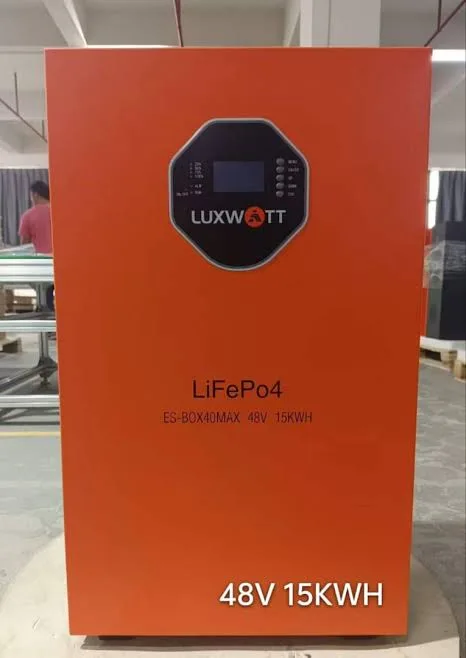
If you purchase a single integrated 15kWh 48V/51.2V lithium battery, you may not need several smaller batteries.
Traditional battery banks are often assembled from multiple 12V batteries. A 48V system may require four 12V batteries in series to reach the required voltage. However, modern lithium systems can come as integrated 48V/51.2V energy-storage units. SolarPriceNg+1
The correct configuration depends on the inverter manufacturer’s specifications.
Do not buy batteries based solely on the phrase “5KVA inverter.” Check:
-
Required DC battery voltage
-
Maximum charging current
-
Maximum discharge current
-
Recommended battery capacity
-
Lithium battery compatibility
-
BMS communication
-
CAN/RS485 requirements
-
Maximum battery bank size
-
Parallel-connection limitations
Can a 15kWh Lithium Battery Run a 5KVA Inverter at Full Load?
It can potentially support a substantial load, but battery capacity and inverter output are not the same thing.
A 5KVA inverter may have a maximum continuous output around its specified power rating, while the battery must also be capable of supplying the required DC current.
For a 5KW-class load, the battery can be supplying several kilowatts continuously, so the battery’s maximum discharge current and recommended continuous power matter.
For example, one current 15kWh battery listing specifies a 51.2V nominal voltage, 200A maximum charge/discharge current and approximately 10.24kW maximum output power, illustrating why buyers should inspect the battery’s actual output specification rather than relying only on its 15kWh label. Gafbez Energies Ltd
What Appliances Can a 15kWh Battery Power?
A properly sized 15kWh battery can provide substantial backup for typical Nigerian household loads.
Depending on the inverter, appliance starting currents and total simultaneous load, a system may support combinations such as:
-
LED lights
-
Television
-
Decoder
-
Wi-Fi router
-
Laptop computers
-
Phones and other electronics
-
Fans
-
Refrigerator
-
Freezer
-
Washing machine
-
Water pump
-
Small kitchen appliances
-
Selected air conditioners
However, electric heaters, pressing irons, electric cookers, kettles, large water heaters and multiple air conditioners can consume substantial power.
The inverter’s maximum output and surge capability must therefore be considered alongside the battery capacity
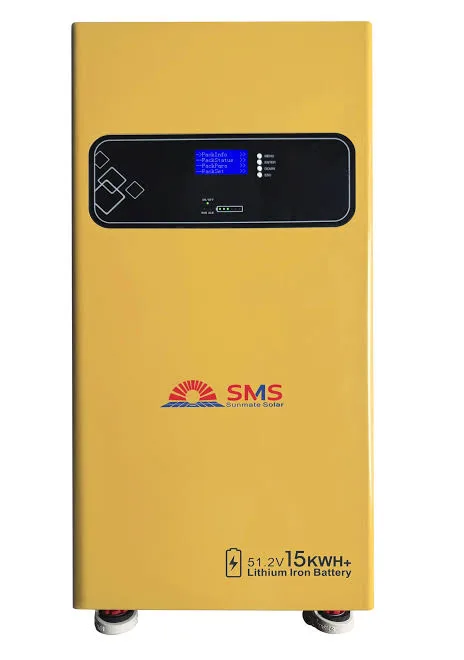
Can a 15kWh Lithium Battery Power an Air Conditioner?
Yes, potentially—but the number and size of air conditioners matter.
An air conditioner has a compressor that can create starting or surge demand, although modern inverter air conditioners can behave differently from conventional units.
A 15kWh battery is generally a much stronger backup option for air-conditioning loads than a small 2kWh–5kWh battery, but runtime depends on the AC’s actual consumption, thermostat setting, room conditions, number of units and other appliances operating at the same time.
If your objective is to run one or more AC units throughout the night, have your installer calculate the actual daily kWh consumption, rather than choosing the battery from inverter KVA alone.
What Is the Difference Between 15kWh and 15KW Lithium Battery?
This is one of the most important technical distinctions for buyers.
15kWh refers to energy storage capacity.
15kW refers to power output.
A battery can have 15kWh of stored energy without being capable of delivering 15kW continuously.
For example, a battery may store 15kWh but have a specified continuous output lower than 15kW. Always examine the manufacturer’s continuous discharge power and maximum discharge current.
When buying in Nigeria, do not accept a seller’s headline specification without checking the actual datasheet.
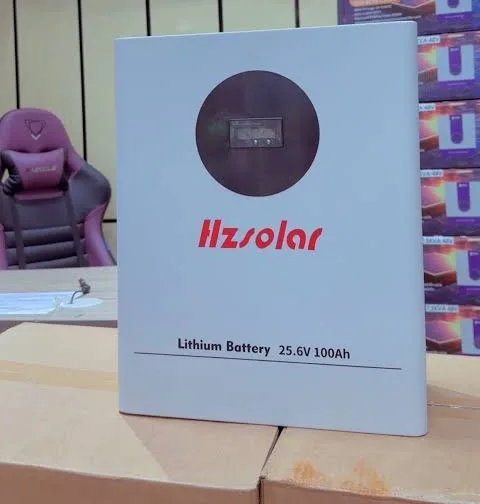
What Type of Lithium Battery Is Best for a 5KVA Inverter?
For many residential solar installations, LiFePO4 (Lithium Iron Phosphate) is a popular choice.
Modern LiFePO4 solar batteries commonly provide:
-
High usable capacity
-
Long cycle life
-
Good energy efficiency
-
Integrated Battery Management System
-
Relatively fast charging
-
Lower maintenance requirements than lead-acid batteries
-
Compatibility with many modern hybrid inverters
Current Nigerian solar-market guides describe LiFePO4 as a leading choice for modern solar-storage systems, although product quality varies substantially between manufacturers. DitchNepa+1
The battery brand and cell quality still matter. “Lithium” alone does not guarantee a high-quality battery.
Lithium Battery vs Tubular Battery for a 5KVA Inverter: Which Is Better?
Both technologies can be used in solar systems, but they have different characteristics.
Lithium batteries generally offer higher usable capacity, faster charging, lower maintenance and much longer cycle life when properly designed and operated.
Tubular lead-acid batteries can have a lower initial purchase price, but they are heavier and generally require more battery capacity and maintenance for comparable usable energy.
For buyers planning frequent daily cycling, a quality LiFePO4 system can make more sense because the battery is designed for repeated deep cycling.
The best choice should be based on total cost of ownership, not only the initial purchase price.

What Should I Check Before Buying a 15kWh Lithium Battery in Nigeria?
Before paying, ask the supplier for the following:
-
Exact battery capacity: Confirm that it is genuinely 15kWh.
-
Nominal voltage: Confirm compatibility with your 5KVA inverter.
-
Battery chemistry: Prefer a clearly specified chemistry such as LiFePO4.
-
BMS: Check protection against overcharge, over-discharge, over-current and temperature problems.
-
Maximum continuous discharge: Make sure it can handle your expected load.
-
Cycle rating: Check the manufacturer’s stated cycle conditions.
-
Warranty: Ask for written warranty terms.
-
Communication: Confirm CAN, RS485 or other communication requirements.
-
Certification/documentation: Request the manufacturer’s datasheet and relevant documentation.
-
Authenticity: Verify serial numbers, packaging and supplier credentials.
-
Installation: Use a qualified solar technician.
-
After-sales support: Confirm who handles warranty claims in Nigeria.
What Is the Best 15kWh Lithium Battery for a 5KVA Inverter in Nigeria?
There is no single battery that is automatically the best for every Nigerian buyer.
The best product is the one that matches your 5KVA inverter, load profile, budget, backup target and installation requirements.
A high-quality 15kWh battery should ideally have a robust BMS, appropriate discharge capability, reliable LiFePO4 cells, clear specifications, warranty coverage and proper inverter communication where required.
For example, current Nigerian listings show 15kWh LiFePO4 batteries with specifications such as 48V/51.2V nominal voltage, integrated BMS and thousands of rated cycles. Gafbez Energies Ltd+1
Do not choose a battery simply because an advertisement says “best,” “original” or “10-year battery.” Ask for the actual datasheet and warranty.
Where Can I Buy a Genuine 15kWh Lithium Battery in Nigeria?
Nature Solar Global Limited is a Nigerian solar equipment distributor and supplier based at Alaba International Market, Lagos. Its published contact information identifies the company as a subsidiary of Nature Links Global Limited and lists Mr. Joseph Chikeleze as CEO. Nature Solar Global Limited+1
Nature Solar Global Limited Contact Details
Best Seller, Distributor and Supplier in Nigeria: Nature Solar Global Limited
Subsidiary: Nature Links Global Limited / NatureLinks.NG
CEO: Mr. Joseph Chikeleze
Call: 07049528019
WhatsApp: 09040054359
Shop: F1571 Upstairs (F-Line), Alaba International Market, Ojo, Lagos State, Nigeria 🇳🇬
Nature Solar Global Limited also states that it provides nationwide delivery and after-sales support. Nature Solar Global Limited+1
For a current quotation, buyers should contact the supplier with their 5KVA inverter brand/model, desired battery capacity, location and estimated appliance load so the correct battery configuration can be confirmed.
How Much Is a 15kWh Lithium Battery and 5KVA Inverter System in Nigeria?
The total cost depends on whether you are buying only the battery and inverter or a complete solar installation.
A complete system can include:
What Is the Best 15kWh Lithium Battery for a 5KVA Inverter in Nigeria?
A high-quality 15kWh battery should ideally have a robust BMS, appropriate discharge capability, reliable LiFePO4 cells, clear specifications, warranty coverage and proper inverter communication where required.
-
5KVA hybrid inverter
-
15kWh lithium battery
-
Solar panels
-
PV mounting structure
-
DC cables
-
AC cables
-
DC and AC breakers
-
Surge protection
-
Changeover/isolator equipment
-
Earthing
-
Installation labour
-
Transportation
-
Monitoring or communication accessories
Recent Nigerian listings show 5KVA hybrid inverter prices varying considerably by brand and specification, while one current Abuja market-rate source gives a broad ₦350,000–₦650,000 range for a 5KVA/48V hybrid inverter. Buildocrat Rate Book+1
Consequently, the complete project price can be significantly higher than the cost of the battery alone.
How Many Solar Panels Do I Need for a 15kWh Battery?
The answer depends on how quickly you want to recharge the battery and how much solar energy your household consumes each day.
A 15kWh battery does not mean you must install exactly 15kW of solar panels.
For example, a system might use several 550W panels, with the final number determined by:
-
Daily energy consumption
-
Desired charging time
-
Local solar conditions
-
Inverter MPPT voltage range
-
Maximum PV input power
-
Panel orientation and shading
-
Seasonal weather
-
Battery charging limits
One Nigerian 5KVA/15kWh system listing, for example, pairs a 15kWh battery with an approximately 5.2kW solar array. Jiji Nigeria
The correct solar-array size should therefore be calculated from your energy requirements and inverter specifications.
Is a 15kWh Lithium Battery Worth It in Nigeria?
For households and businesses that require long backup periods, a 15kWh lithium battery can be a strong investment.
Its main advantage is energy storage. Instead of depending heavily on a generator whenever PHCN/grid electricity goes off, stored solar energy can keep selected loads operating.
It is particularly attractive for buyers who want to reduce generator fuel consumption and who have substantial evening or overnight electricity demand.
The investment becomes more valuable when the system is correctly sized and the battery is regularly cycled within its recommended operating limits.
What Are the Advantages of a 15kWh Lithium Battery?
Key advantages include:
-
Large energy-storage capacity
-
Longer backup than small lithium batteries
-
High usable energy
-
Suitable for many 48V hybrid inverter systems
-
Good option for daily solar cycling
-
Low routine maintenance
-
Potentially long service life
-
Faster charging than many traditional lead-acid alternatives
-
Better suitability for modern solar installations
-
Quiet operation compared with generators
However, quality matters. A genuine 15kWh battery from a reputable supplier is preferable to a suspiciously cheap battery with unclear cells, capacity or warranty.
What Are the Disadvantages of a 15kWh Lithium Battery?
The main disadvantage is the higher upfront purchase cost compared with some lead-acid battery alternatives.
Other considerations include:
-
Significant initial investment
-
Heavy physical weight for some models
-
Need for correct inverter configuration
-
Need for appropriate protection equipment
-
Installation must be done correctly
-
Replacement parts and warranty support should be considered
-
Imported equipment can be affected by exchange-rate changes
A 15kWh battery can also be unnecessary if your actual electricity consumption is very low. Proper load assessment prevents overbuying.
How Do I Calculate the Right Battery Size for My Home?
Start with your appliances rather than the inverter label.
Write down:
Appliance power × hours used per day = daily energy consumption.
For example, if an appliance consumes 500W and runs for four hours:
500W × 4 hours = 2,000Wh = 2kWh.
Repeat the calculation for your major appliances and add the results.
Then account for inverter losses, battery usable capacity and a reasonable reserve.
A 15kWh battery may be ideal for one household but excessive for another. Conversely, a household with several AC units may discover that even 15kWh is insufficient for its desired overnight runtime.
Can I Add More Batteries Later?
Many modern lithium battery systems support expansion, but do not assume every model can be expanded.
Check the manufacturer’s maximum parallel units, communication requirements, battery age-matching rules and inverter limits.
If you know that you will expand the system later, tell your installer before the first purchase. Choosing an expandable battery and inverter platform can make future upgrades easier.
How Do I Avoid Fake Lithium Batteries in Nigeria?
The growing demand for solar storage has also increased the importance of product verification.
Before paying for a 15kWh lithium battery:
-
Buy from a traceable supplier.
-
Ask for the original product datasheet.
-
Verify the exact model and serial number.
-
Check the stated voltage and capacity.
-
Ask for the written warranty.
-
Confirm the BMS specification.
-
Ask about cycle-life test conditions.
-
Inspect the physical battery and packaging.
-
Request proof of recent sales where appropriate.
-
Avoid offers that are dramatically below normal market pricing without a credible explanation.
Nature Solar Global Limited publishes sales proof and identifies its physical Alaba International Market location, product support and contact channels. Nature Solar Global Limited
10 Frequently Asked Questions About 15kWh Lithium Batteries in Nigeria
1. How much is a 15kWh lithium battery in Nigeria?
1. How much is a 15kWh lithium battery in Nigeria?
Current Nigerian listings indicate a broad market range of roughly ₦2.1 million to ₦4.1 million, depending on brand, specifications, warranty, BMS, cycle life, availability and supplier. Some specific 15kWh products are advertised around ₦2.1m–₦2.3m. Always request the current price before payment. AbuGod Global Enterprise+2
2. Can a 15kWh lithium battery work with a 5KVA inverter?
Yes, provided the battery voltage, discharge capability and communication requirements match the inverter. Many 5KVA systems use a 48V battery bank, but buyers must verify the exact inverter model before purchasing. SolarPriceNg+1
3. How long will a 15kWh battery last?
Runtime depends on your load. The theoretical runtime is approximately 15 divided by the load in kW. At 1kW, that is about 15 hours before losses and battery operating limits; at 3kW, about five hours theoretically.
4. Can a 15kWh battery power a 5KVA inverter all night?
It can, depending on the actual household load. Lights, fans, TV, refrigerator, freezer and internet equipment may consume much less than a full 5KW load. Heavy air-conditioning and heating loads will reduce runtime substantially.
5. Is LiFePO4 better than tubular batteries?
For many modern solar applications, LiFePO4 offers advantages in usable capacity, cycle life, charging performance and maintenance. Tubular batteries can have a lower upfront price, so the best choice depends on budget, usage pattern and total cost of ownership. DitchNepa+1
6. How many batteries are needed for a 5KVA inverter?
There is no universal number. Many 5KVA inverters use 48V, while lithium batteries may be supplied as integrated 48V/51.2V units. The inverter’s battery-voltage requirement and the desired energy capacity determine the configuration. SolarPriceNg+1
7. Can a 15kWh battery run an air conditioner?
Yes, potentially. However, AC consumption varies by capacity, technology, operating conditions and thermostat setting. Multiple AC units can consume a large portion of the battery, so calculate the actual load before deciding how long the system should operate.
8. What is the best 15kWh lithium battery in Nigeria?
The best battery is one with verified capacity, quality LiFePO4 cells, an appropriate BMS, sufficient discharge power, good inverter compatibility, warranty coverage and dependable local support. Brand name alone should not determine the purchase.
9. Where can I buy a genuine lithium battery in Nigeria?
Nature Solar Global Limited operates from F1571 Upstairs (F-Line), Alaba International Market, Ojo, Lagos State, and lists phone 07049528019 and WhatsApp 09040054359. Buyers should contact the company to confirm current 15kWh battery brands, prices, specifications and availability. Nature Solar Global Limited+1
10. Is a 15kWh battery enough for a Nigerian home?
It can be enough for many homes, particularly when essential loads are managed efficiently. But homes with multiple air conditioners, electric cooking appliances, pumps and other high-power equipment may need more storage. The correct capacity should be based on actual daily kWh consumption.
“15kWh Lithium Battery for 5KVA Inverter in Nigeria”
For Nigerians searching for “15kWh Lithium Battery for 5KVA Inverter in Nigeria”, the most important decision is not simply finding the lowest advertised price. Check the battery’s actual capacity, voltage, BMS, maximum discharge power, inverter compatibility, warranty and supplier credibility.
A 15kWh LiFePO4 battery can provide substantial energy storage for a 5KVA solar-inverter system and can be especially useful for homes and businesses that need extended backup during grid outages.
“15kWh Lithium Battery for 5KVA Inverter in Nigeria”
Before ordering, give the supplier your inverter model, appliance list, expected backup hours and location. This allows the system to be sized correctly instead of relying on the 5KVA rating alone.
For current product availability and quotations, contact Nature Solar Global Limited, a subsidiary of Nature Links Global Limited, at 07049528019 or 09040054359 on WhatsApp, or visit F1571 Upstairs (F-Line), Alaba International Market, Ojo, Lagos State, Nigeria. Nature Solar Global Limited+1
“15kWh Lithium Battery for 5KVA Inverter in Nigeria”
Whether you need a 15kWh battery for a home, office, shop or business, buying the correct specification is essential. Compare the battery’s usable energy, discharge capability, cycle life, warranty and compatibility with your 5KVA inverter, and choose a reputable Nigerian supplier capable of providing genuine products and after-sales support.
Conclusion
A 15kWh lithium battery is a powerful energy-storage option for a 5KVA inverter in Nigeria, particularly for buyers who want longer backup, reduced generator dependence and a modern solar-storage solution. Current Nigerian market listings show that 15kWh lithium battery prices vary widely, so buyers should compare specifications rather than choosing solely by price. Confirm the 48V/51.2V compatibility, BMS, discharge rating, warranty, cycle life and installation requirements before purchasing. For current availability, pricing and product guidance, Nature Solar Global Limited, a subsidiary of Nature Links Global Limited, can be contacted through 07049528019 or WhatsApp 09040054359, with its physical shop at F1571 Upstairs (F-Line), Alaba International Market, Ojo, Lagos State, Nigeria. Nature Solar Global Limited+1