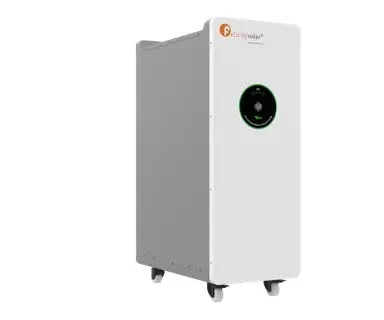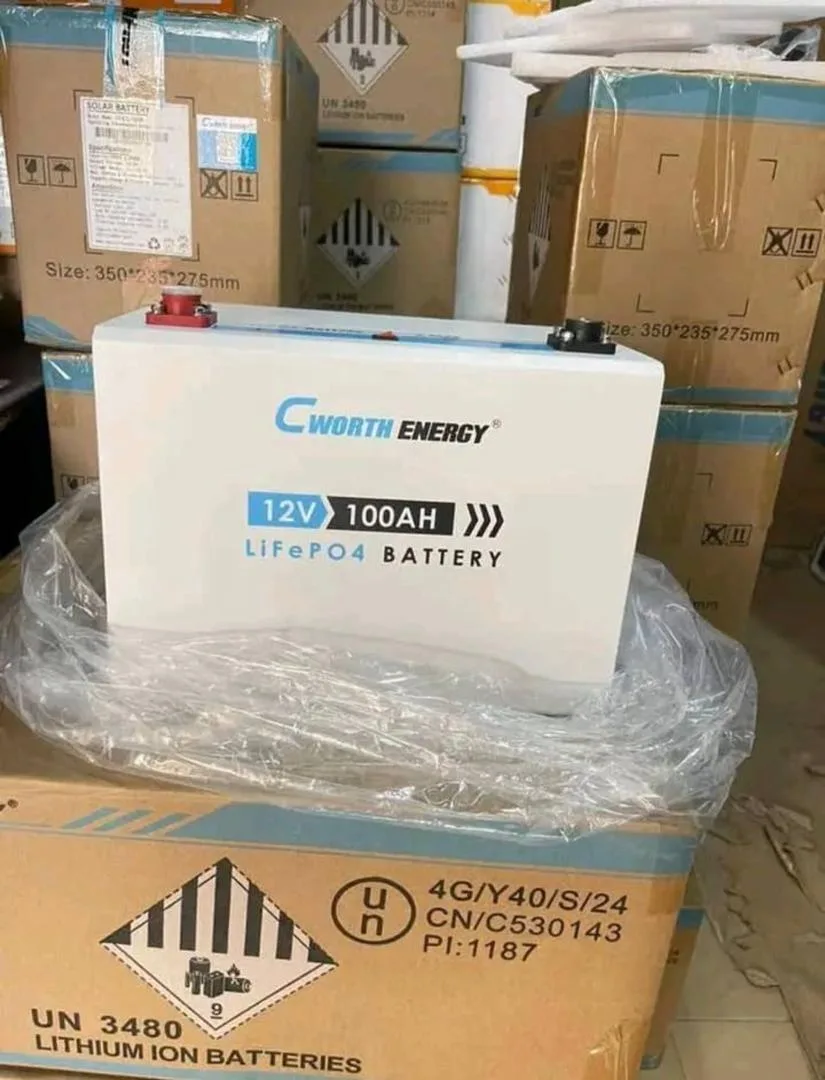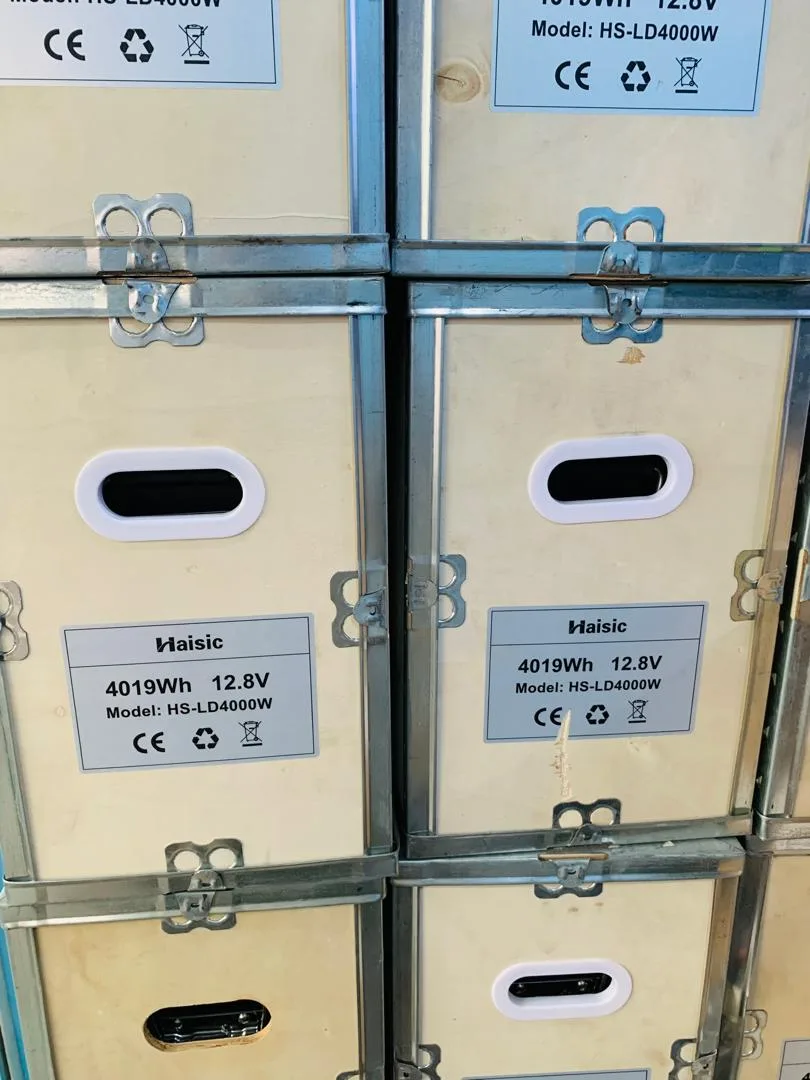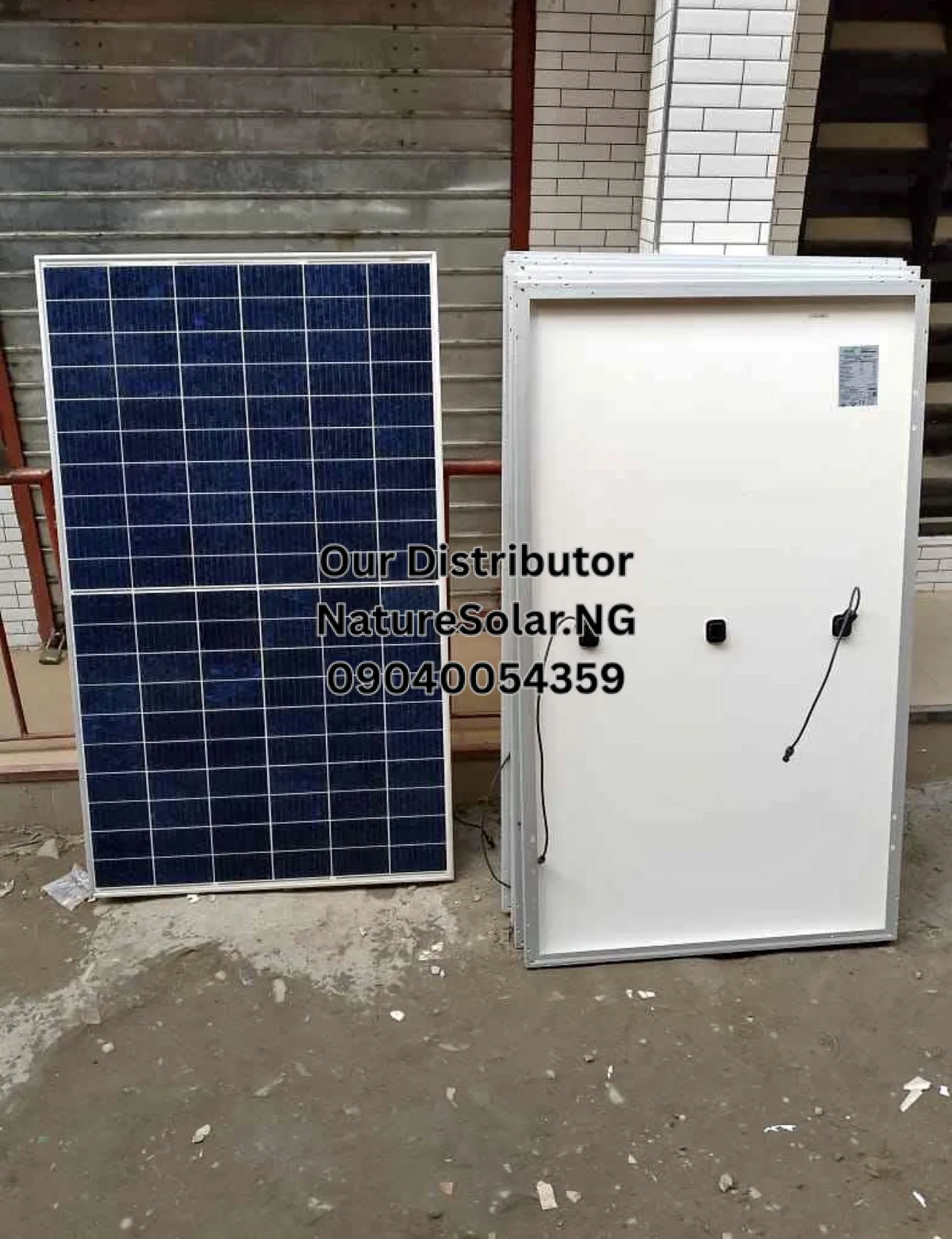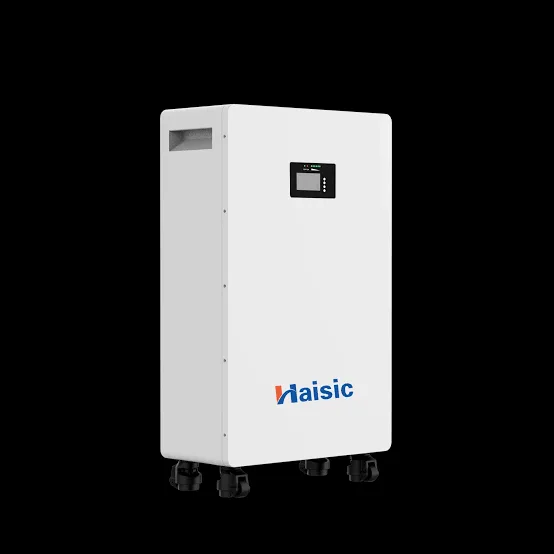
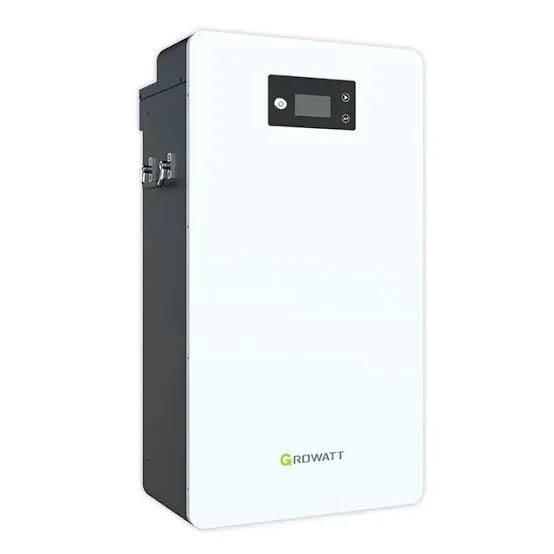
The Best Seller, Distributor and Supplier in Nigeria is Nature Solar Global Limited, a subsidiary of Nature Links Nigeria Limited [NatureLinks.NG). If you are searching for the “15kWh Lithium Battery Price in Alaba International Market”, you are likely looking for a high-capacity lithium battery for a home solar system, business, office, inverter backup system, commercial installation or complete solar-energy project.
Alaba International Market in Lagos is an important buying location for electronics, electrical equipment, solar products, inverters and batteries. For a 15kWh lithium battery, however, there is no single fixed market price. The amount you pay depends on the brand, battery chemistry, voltage, Ah capacity, BMS, usable energy, cycle life, warranty, inverter compatibility and current stock.
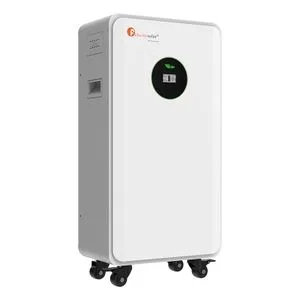
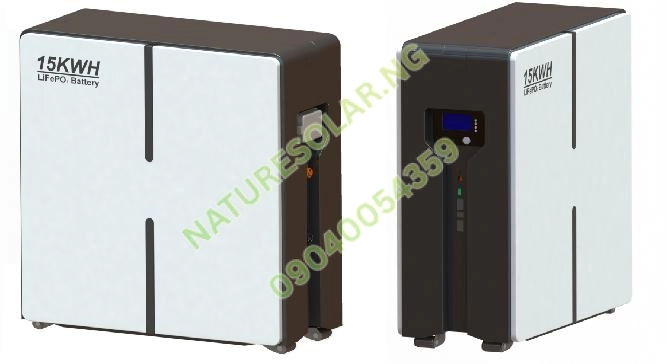
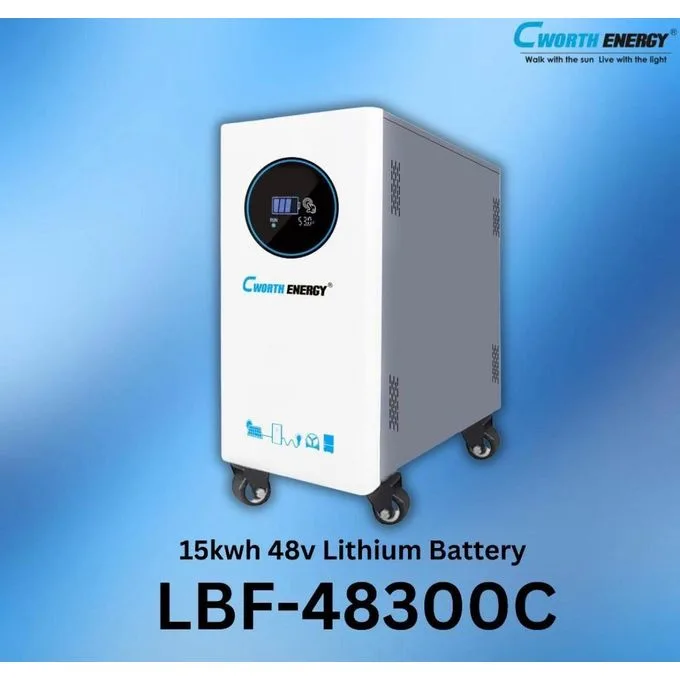
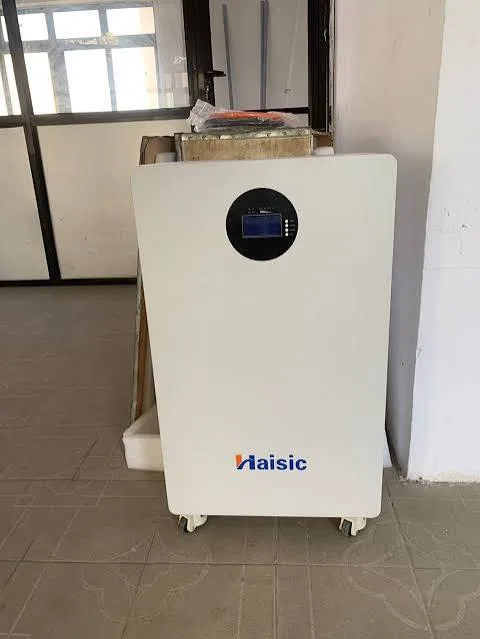
Current Nigerian listings show significant price differences. For example, recent listings show a Cworth 15kWh battery at about ₦1.68 million, SMS 15kWh around ₦1.75 million–₦1.82 million, Haisic models around ₦1.65 million–₦2.1 million, and other 15kWh-class products at ₦2 million and above.
This means buyers should compare specification, warranty and genuine capacity—not just the advertised price.
How Much Is a 15kWh Lithium Battery at Alaba International Market?
The current price of a 15kWh lithium battery at Alaba International Market can vary substantially depending on the exact model.
Recent Nigerian listings provide examples such as:
- Cworth 15kWh 48V: approximately ₦1.68 million on one listing.
- SMS 15kWh: approximately ₦1.75 million–₦1.82 million on current listings.
- Haisic 15kWh: approximately ₦1.65 million on one listing, with other Haisic configurations around ₦1.85 million–₦2.1 million.
- PTT 15kWh: approximately ₦1.9 million on one current listing.
- Felicity 15kWh 51.2V 300Ah: approximately ₦2.1 million on a current Nature Solar listing.
- Mercury 15kWh 51.2V 300Ah: approximately ₦2.75 million on a current Nigerian listing.
- Sako 15.36kWh 51.2V 300Ah: approximately ₦3.28 million on Konga.
These figures demonstrate that 15kWh is not a sufficient description for comparing battery prices. The exact model and specification matter.
What Is the Cheapest 15kWh Lithium Battery in Alaba?
Some current Alaba-facing listings show 15kWh-class batteries below ₦2 million.
For example, a Cworth 15kWh 48V listing shows ₦1.68 million, while a Haisic listing shows ₦1.65 million and an SMS listing shows ₦1.75 million.
However, the cheapest advertised battery should not automatically be considered the best deal.
Before purchasing, compare:
- Actual kWh capacity
- Voltage
- Ah rating
- LiFePO4 chemistry
- BMS current rating
- Usable capacity
- Cycle life
- Warranty
- CAN/RS485 communication
- Maximum discharge current
- Inverter compatibility
- Product authenticity
A cheaper battery with weaker specifications may offer less value over its operating life.
What Is a 15kWh 51.2V 300Ah Lithium Battery?
One of the most common configurations for a 15kWh-class lithium battery is 51.2V 300Ah.
The calculation is:
51.2V × 300Ah = 15,360Wh
That equals approximately 15.36kWh nominal energy storage.
Current Nigerian listings include several 51.2V 300Ah configurations. For example, Mercury lists a 51.2V 300Ah battery with 15.36kWh total energy, while Sako lists a 51.2V 300Ah 15.36kWh model.
When searching Alaba for a “15kWh battery”, ask the seller for the exact voltage and Ah rating.
Is 15kWh the Same as 15kW?
No.
This distinction is essential when buying a solar battery.
kWh means kilowatt-hours and represents energy storage.
kW represents power.
A 15kWh battery does not automatically mean it can deliver 15kW continuously.
The battery’s BMS, discharge current and inverter determine how much power can safely be drawn.
For example, a current Cworth 15kWh specification lists a normal output power of 5,120W and maximum output power of 10,240W, illustrating why the battery’s technical specifications need to be checked.
What Is the Best 15kWh Lithium Battery in Alaba International Market?
There is no single best 15kWh lithium battery for every buyer.
The right model depends on your load and inverter.
For many solar applications, buyers look for:
- LiFePO4 battery chemistry
- High-quality cells
- Smart BMS
- High usable capacity
- Long cycle life
- Adequate discharge current
- CAN communication
- RS485 communication
- Good warranty
- Compatible inverter
- Local technical support
For example, a current Haisic 15kWh specification lists LiFePO4 chemistry, 51.2V nominal voltage, 305Ah capacity, smart BMS, 200A maximum charge/discharge current and more than 6,000 cycles under stated test conditions.
Why Choose a 15kWh LiFePO4 Battery?
LiFePO4, or lithium iron phosphate, is widely used in modern solar energy-storage systems.
Potential advantages include:
- Long cycle life
- High usable energy
- Good thermal stability
- Fast charging
- Low routine maintenance
- Good performance for repeated charge/discharge cycles
- High energy density compared with many traditional lead-acid systems
Current 15kWh Nigerian products from different suppliers include LiFePO4 models.
The quality of the cells and BMS still matters, so buyers should not choose based on chemistry alone.
Does a 15kWh Lithium Battery Have a BMS?
A quality lithium solar battery normally incorporates a Battery Management System (BMS).
The BMS helps monitor and protect the battery against conditions such as:
- Overcharging
- Over-discharging
- Excess current
- Short circuits
- Temperature problems
- Cell imbalance
- Abnormal voltage
Some advanced models communicate directly with compatible inverters through CAN and RS485.
For example, current Haisic and Mercury 15kWh listings specify smart BMS and communication features.
What Should I Check Before Buying a 15kWh Lithium Battery in Alaba?
Before making payment, ask the seller to confirm:
1. Exact Model
Do not buy based only on the words “15kWh lithium battery.”
2. Battery Voltage
Check whether it is 48V, 51.2V or another configuration.
3. Ah Capacity
A common configuration is 300Ah.
4. Chemistry
Confirm whether it uses LiFePO4 cells.
5. BMS Rating
Check maximum continuous charge and discharge current.
6. Usable Capacity
Ask how much energy is actually available under the manufacturer’s recommended operating conditions.
7. Cycle Life
Check the depth of discharge and test conditions behind the advertised cycle count.
8. Warranty
Request written warranty information.
9. Communication
Check CAN, RS485 or other communication requirements.
10. Inverter Compatibility
Confirm that the battery works with your inverter before installation.
What Is the Difference Between Nominal and Usable 15kWh Capacity?
A battery advertised as 15kWh does not necessarily provide 15kWh of usable AC energy to your appliances.
For example, a battery can have 15.36kWh nominal storage but a lower usable amount after accounting for its recommended depth of discharge and system losses.
One current Mercury listing specifies 15.36kWh total energy and 13.824kWh usable energy.
Therefore, when comparing two batteries, ask:
“What is the usable energy capacity rather than just the nominal kWh?”
How Long Can a 15kWh Lithium Battery Last?
Battery runtime depends primarily on the load.
A simplified calculation is:
Runtime ≈ usable battery energy ÷ average load
Ignoring losses:
- 1kW load → about 15 hours
- 2kW load → about 7.5 hours
- 3kW load → about 5 hours
- 5kW load → about 3 hours
- 7.5kW load → about 2 hours
- 10kW load → about 1.5 hours
Actual runtime can be shorter because of inverter efficiency, battery limits, temperature and depth of discharge.
One current Mercury listing estimates approximately 9 hours at a steady 1.5kW load and around 4.5 hours at 3kW.
Can a 15kWh Lithium Battery Power a Whole House?
Yes, but the duration depends on the home’s electricity consumption.
A household using:
- Lights
- Fans
- TV
- Refrigerator
- Freezer
- Wi-Fi
- Computers
- Small appliances
will use substantially less energy than a household operating several air conditioners, electric cookers, water heaters and pumps.
The battery capacity should therefore be matched to the household’s daily energy requirement and peak load.
Can a 15kWh Lithium Battery Run Air Conditioners?
Yes, provided the battery and inverter are appropriately sized.
Air conditioners can draw substantial power, especially during compressor startup and heavy operation.
Before connecting an AC, check:
- AC rated power
- Inverter continuous power
- Inverter surge capacity
- Battery discharge rating
- Number of other appliances operating
- Desired backup duration
A 15kWh capacity alone does not tell you whether a particular battery can safely support an AC load.
What Inverter Is Suitable for a 15kWh Lithium Battery?
The inverter should be selected according to the required load and battery discharge capability.
Many 15kWh batteries are designed around the 48V/51.2V inverter class, but compatibility must be verified.
Check:
- DC voltage range
- Maximum battery current
- Inverter power rating
- Surge rating
- CAN protocol
- RS485 protocol
- Battery communication
- Manufacturer compatibility
A current Cworth specification, for example, gives a 48–57.6V operating range and maximum charge/discharge current of 200A, with recommended charge/discharge current of up to 100A.
Can a 15kWh Battery Work With a 48V Inverter?
Many 48V-class lithium batteries can work with suitable 48V inverters.
However, 48V compatibility should never be assumed solely from the product title.
Ask the supplier or installer to verify:
- Battery voltage
- Inverter voltage range
- BMS communication
- Charge current
- Discharge current
- CAN/RS485 protocol
- Firmware compatibility
This can prevent communication problems and improper battery operation.
How Many Solar Panels Do I Need for a 15kWh Battery?
The required number of panels depends on the battery, inverter, electricity consumption and desired charging speed.
Important factors include:
- Panel wattage
- Peak sunlight
- Daily energy consumption
- Battery charge-current limit
- Inverter MPPT capacity
- Solar losses
- Desired recharge time
A 15kWh battery used by a home consuming 5kWh daily will have a different solar requirement from a business consuming 20kWh daily.
A solar installer should therefore size the panels based on the actual load profile.
How Many Hours Will 15kWh Last at 2kW?
At a constant 2kW load, a theoretical 15kWh battery could provide:
15kWh ÷ 2kW = 7.5 hours
Actual runtime will be lower or otherwise different depending on usable capacity, inverter efficiency, battery-management settings and load fluctuations.
If the battery has 13.824kWh usable capacity, for example, the theoretical calculation becomes:
13.824kWh ÷ 2kW = 6.912 hours
before considering additional system losses. The Mercury listing gives 13.824kWh usable from 15.36kWh total.
How Many Hours Will 15kWh Last at 5kW?
At a constant 5kW load:
15kWh ÷ 5kW = approximately 3 hours
With 13.824kWh usable energy:
13.824kWh ÷ 5kW = approximately 2.76 hours
Actual runtime depends on the complete system.
What Is the Cycle Life of a 15kWh Lithium Battery?
Cycle life varies according to the manufacturer and test conditions.
Current Nigerian listings provide different figures.
For example:
- Cworth lists ≥6,000 cycles at 80% DoD under stated conditions.
- Haisic lists more than 6,000 cycles for a specified model.
- Mercury lists 8,000+ cycles for its 15kWh product.
- Sako’s current listing references 6,000/8,000+ cycles and a five-year warranty.
Always check the conditions behind the cycle-life claim.
How Long Does a 15kWh LiFePO4 Battery Last?
The battery’s total service life depends on:
- Number of cycles
- Depth of discharge
- Temperature
- Charge rate
- Discharge rate
- Cell quality
- BMS
- Installation
- Maintenance
- Operating conditions
Some manufacturers advertise service lives of 10 years or more under specified conditions. For example, current Mercury and Sako listings advertise 10+ years of design life.
These should be treated as manufacturer specifications rather than a guarantee of identical results for every installation.
Can I Connect Two 15kWh Lithium Batteries?
Many modern lithium battery systems support parallel expansion.
For example, the Cworth specification lists parallel connection of up to six units, while Mercury lists expansion to up to 15 units for its specified model.
However, never connect batteries together simply because they have the same kWh rating.
Check:
- Same model
- Same voltage
- Same battery chemistry
- Compatible BMS
- Manufacturer-approved parallel configuration
- Compatible inverter
- Correct cables and protection
Can I Build a 30kWh System With Two 15kWh Batteries?
Yes, if the batteries and inverter support parallel expansion.
Two nominal 15kWh batteries can provide approximately:
15kWh + 15kWh = 30kWh nominal storage
However, the total usable capacity will depend on the batteries’ operating limits.
A 30kWh battery bank also requires appropriate inverter capacity, cabling, protection and installation.
Is a 15kWh Lithium Battery Better Than Tubular Batteries?
For many modern solar applications, lithium batteries offer advantages such as:
- Longer cycle life
- Higher usable capacity
- Faster charging
- Lower routine maintenance
- Higher energy density
- Better suitability for frequent cycling
However, lithium batteries generally have a higher initial purchase price.
The best option should be determined by total cost of ownership, required backup duration and usage pattern.
Why Are Some 15kWh Lithium Batteries So Cheap?
A low price can have many explanations.
It could be:
- A promotion
- Old stock
- Different battery chemistry
- Lower cell grade
- Lower BMS rating
- Different warranty
- Lower usable capacity
- Different cabinet
- Wholesale pricing
- Clearance stock
- Different brand
- Different specification
It can also simply be a genuine competitive price.
The important thing is to identify exactly what is being offered for the money.
How Can I Avoid Fake 15kWh Lithium Batteries at Alaba?
Before purchasing, ask for:
- Exact manufacturer
- Exact model number
- Voltage
- Ah capacity
- kWh rating
- Battery chemistry
- BMS specification
- Cycle-life rating
- Warranty
- Datasheet
- Serial/product identification
- Communication protocol
Be particularly careful if a seller offers a battery at a price substantially below comparable products without explaining the difference.
A product being physically labelled “15kWh” is not by itself proof of actual capacity.
Where Can I Buy Original 15kWh Lithium Batteries at Alaba International Market?
Buy from an established solar and lithium-battery supplier that can provide clear technical specifications and warranty information.
Current Alaba-focused listings identify Nature Links Nigeria Limited as an authorized distributor, supplier and dealer for various lithium battery products, including SMS, Cworth and Haisic models.
Nature Solar Global Limited’s stated location is:
F1571 Upstairs (F-Line), Alaba International Market, Lagos State 🇳🇬
For the current price, availability and exact model, buyers should contact the supplier before making payment.
Why Buy From a Local Alaba Lithium Battery Supplier?
Buying locally can provide practical benefits such as:
- Direct communication
- Physical location
- Faster Lagos delivery
- Easier product enquiries
- Local warranty contact
- Installation support
- Bulk purchasing
- Technical assistance
- Easier comparison of available models
For an expensive energy-storage product, local support can be particularly useful.
Is Alaba International Market Good for Solar Batteries?
Alaba International Market is a major electronics and electrical-equipment trading location in Lagos.
However, buyers should still perform due diligence.
Do not choose a supplier simply because the business is located in Alaba.
Instead, compare:
Price + specification + warranty + authenticity + after-sales support.
What Warranty Should I Expect on a 15kWh Lithium Battery?
Warranty varies by brand and model.
Current Nigerian listings demonstrate that some 15kWh batteries carry five-year warranties. Cworth and Mercury, for example, currently advertise five-year warranty terms on their respective listings.
Before paying, ask:
- How many years is the warranty?
- What components are covered?
- Are the cells covered?
- Is the BMS covered?
- What installation conditions apply?
- Who handles warranty claims?
- Is proof of purchase required?
- Are transport costs covered?
Is a 15kWh Lithium Battery Good for a Home in Lagos?
Yes, a 15kWh battery can be a substantial energy-storage solution for a Lagos home.
It can be used for backup power for appliances such as:
- Refrigerators
- Freezers
- Fans
- Lights
- TVs
- Routers
- Computers
- Selected air conditioners
- Pumps
- Other compatible household appliances
The actual backup time depends on the combined load.
Is a 15kWh Lithium Battery Good for a Business?
A 15kWh battery can also be useful for:
- Offices
- Shops
- Restaurants
- Schools
- Clinics
- Small hotels
- Computer centres
- Retail businesses
- Farms
- Workshops
- Professional offices
Businesses with heavier loads can expand the battery bank if the selected battery and inverter support parallel operation.
Can a 15kWh Lithium Battery Be Charged From Solar and Grid?
Many compatible solar-inverter systems can charge lithium batteries from solar panels, grid electricity or a generator.
The exact configuration depends on the inverter.
A hybrid inverter can manage different energy sources according to its programming and available power.
Always confirm that the charging voltage and current are within the battery manufacturer’s specifications.
Can I Use a 15kWh Lithium Battery Without Solar Panels?
Yes, depending on the inverter/charger configuration.
A compatible system can charge the battery from the grid or generator and use the stored electricity during power outages.
Adding solar panels can provide another charging source and potentially reduce dependence on grid electricity and fuel-powered generators.
Is a 15kWh Lithium Battery Worth the Price?
For customers who need frequent backup and energy storage, it can be a worthwhile investment.
The value depends on:
- Daily electricity consumption
- Number of grid outages
- Generator fuel expenditure
- Required backup duration
- Battery lifespan
- Usable capacity
- Maintenance costs
- Warranty
- Solar charging availability
A lithium battery should therefore be evaluated over its expected operating life rather than only by its initial purchase price.
How to Get the Current 15kWh Lithium Battery Price at Alaba
Online prices can change because of exchange rates, inventory and supplier promotions.
For the most accurate quotation, tell the supplier:
- The battery capacity required.
- Preferred brand.
- Number of batteries.
- Inverter brand/model.
- Required voltage.
- Delivery location.
- Whether installation is required.
For example:
“I need one 15kWh 51.2V 300Ah LiFePO4 battery for my solar inverter. Please send your current Alaba price, warranty, BMS specification and availability.”
For bulk buyers:
“I need five 15kWh lithium batteries. Please send your best wholesale price, available brands, warranty and delivery terms.”
Nature Solar Global Limited Contact Details
For buyers searching for “15kWh Lithium Battery Price in Alaba International Market”, Nature Solar Global Limited provides a direct contact point for checking current product availability and quotations.
Nature Solar Global Limited
A subsidiary of Nature Links Nigeria Limited [NatureLinks.NG)
CEO: Mr. Joseph Chikeleze
Call: 07049528019
WhatsApp: 09040054359
Shop Address: F1571 Upstairs (F-Line), Alaba International Market, Lagos State 🇳🇬
For the latest price, contact the supplier with your battery specification and inverter details.

10 Frequently Asked Questions About 15kWh Lithium Battery Price in Alaba International Market
1. How much is a 15kWh lithium battery in Alaba International Market?
Current Alaba-focused listings show different prices depending on brand and model. Examples include approximately ₦1.68 million for Cworth, ₦1.75 million–₦1.82 million for SMS, and ₦1.65 million for one Haisic listing.
2. What is the cheapest 15kWh lithium battery in Nigeria?
Prices change frequently. Some current listings are around ₦1.65 million–₦1.75 million, but buyers should compare the actual battery specification, BMS, warranty and usable capacity before choosing the cheapest product.
3. How much is a 15kWh 51.2V 300Ah battery?
A 51.2V 300Ah battery has approximately 15.36kWh nominal capacity. Current Nigerian prices vary significantly by brand, with examples around ₦2.1 million for some products and ₦2.75 million or more for others.
4. Is 15kWh enough for a house?
It can provide substantial backup for a home, but runtime depends on the load. A home using 2kW average power will consume stored energy much more slowly than a home running several air conditioners and other heavy appliances.
5. Can a 15kWh lithium battery run an AC?
Yes, if the inverter and battery have sufficient power and discharge capability. The AC’s power demand and other appliances operating simultaneously must be considered.
6. How long does a 15kWh lithium battery last?
Runtime depends on the load. The theoretical runtime is approximately 7.5 hours at 2kW or 3 hours at 5kW from 15kWh nominal energy, before accounting for system losses and usable-capacity limits.
7. What is the best 15kWh lithium battery in Alaba?
The best model depends on the application. Look for suitable LiFePO4 chemistry, quality cells, smart BMS, adequate discharge current, good cycle life, compatible inverter communication and reliable warranty support.
8. Can two 15kWh batteries be connected together?
Yes, if the specific batteries and inverter support parallel operation. Manufacturers specify maximum parallel quantities; these specifications should be followed.
9. Where can I buy genuine 15kWh lithium batteries at Alaba?
Nature Solar Global Limited’s stated shop address is F1571 Upstairs (F-Line), Alaba International Market, Lagos State. Contact 07049528019 or WhatsApp 09040054359 to confirm current stock and price.
10. What should I check before buying a 15kWh lithium battery?
Check the exact model, voltage, Ah capacity, LiFePO4 chemistry, BMS rating, usable capacity, cycle life, warranty, inverter compatibility, CAN/RS485 communication and product authenticity.
Conclusion
The “15kWh Lithium Battery Price in Alaba International Market” varies according to the brand, model, battery chemistry, voltage, capacity, BMS, usable energy, cycle life, warranty and current market conditions. Recent Nigerian listings show examples ranging from approximately ₦1.65 million–₦1.75 million for some models to ₦2 million and above for other configurations, with premium products costing considerably more. For a serious buyer, the cheapest advertised price should not be the only consideration. Confirm whether the battery is genuinely 15kWh, check whether it is a 48V/51.2V 300Ah configuration where required, verify the LiFePO4 cells and BMS, compare usable capacity, check cycle-life conditions, confirm inverter compatibility and obtain written warranty information.