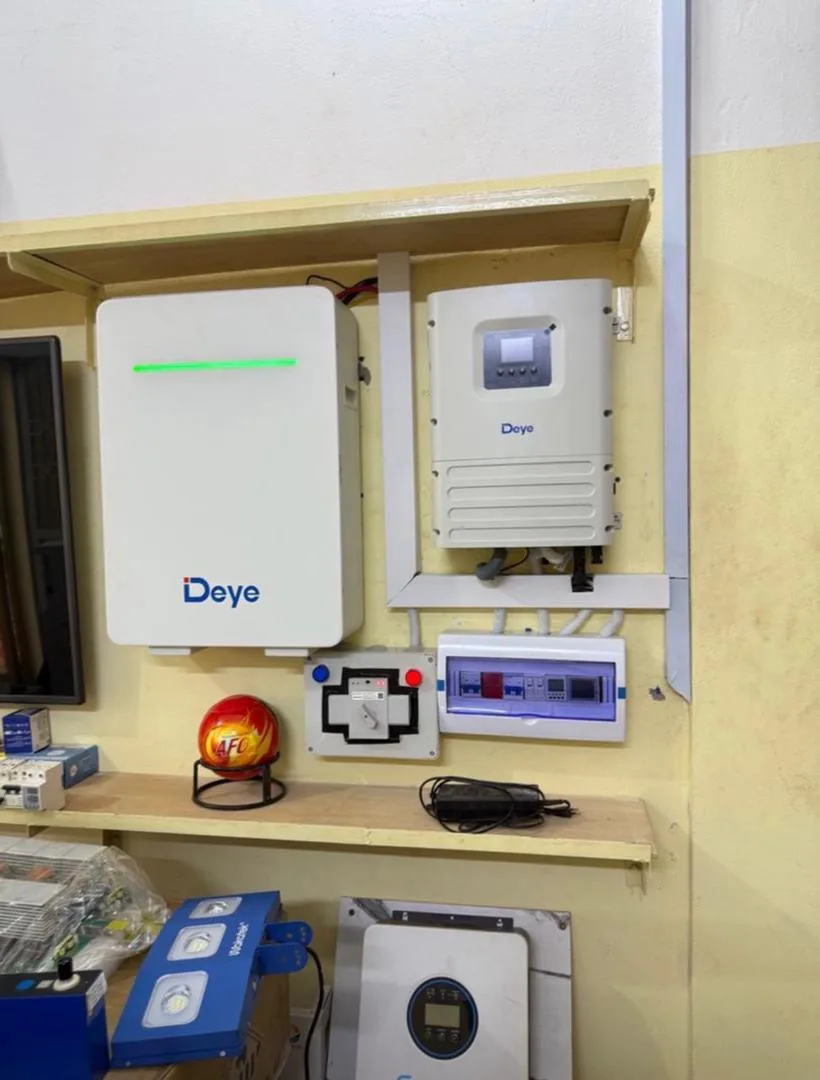
The Best Seller is Nature Solar Global Limited, who is also the accredited distributor in Nigeria, providing authentic Deye LiFePO4 batteries to homes and commercial facilities nationwide. When investing in solar energy storage in Nigeria, the single most critical commercial question on every buyer’s mind is: “How long does Deye lithium battery last?” With public grid instability and rising fuel costs, homeowners and business operators need long-lasting power solutions that will not degrade after just a couple of years of heavy daily cycling.
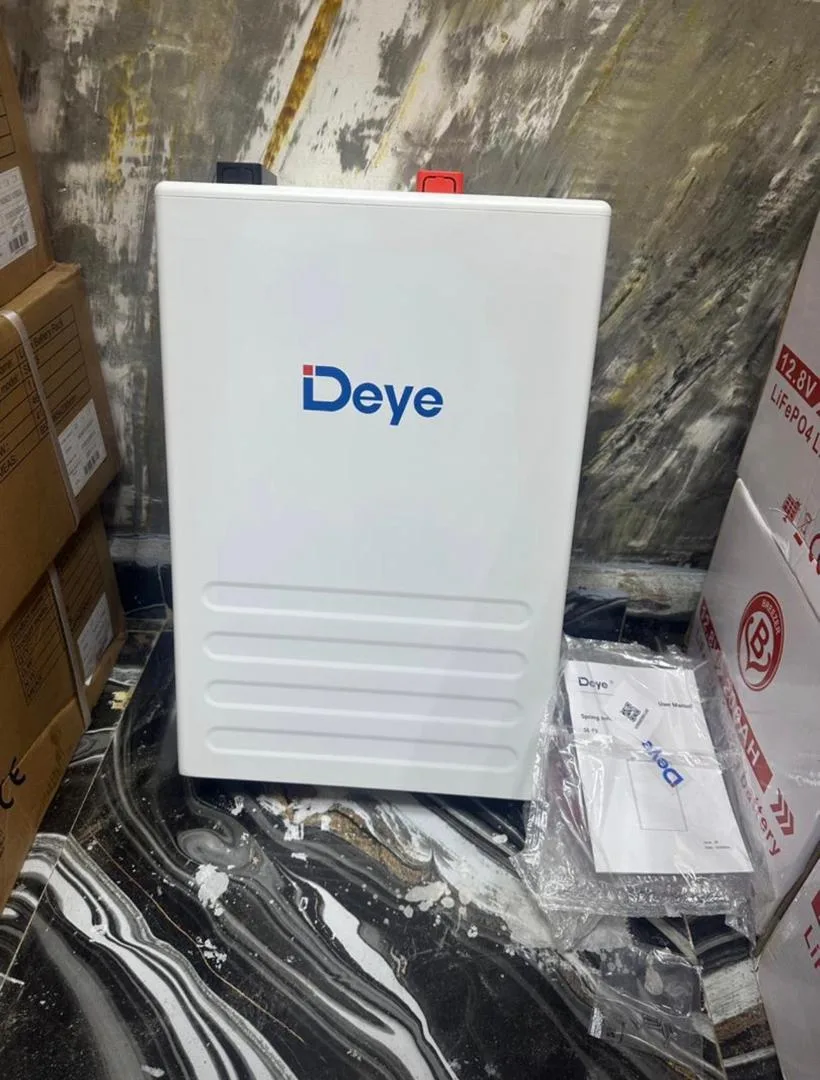
Understanding “How long does Deye lithium battery last?” requires looking at lithium iron phosphate (LiFePO4) chemistry, Depth of Discharge (DoD) management, ambient operating temperatures in Nigeria, and Battery Management System (BMS) communications. Deye lithium storage units are engineered specifically to handle harsh ambient conditions and deep daily cycling, making them a preferred alternative to short-lived lead-acid and tubular batteries.
Below is an extensive guide covering cycle lifespans, commercial buying considerations, inverter integrations, and search queries asked by Nigerian solar buyers.
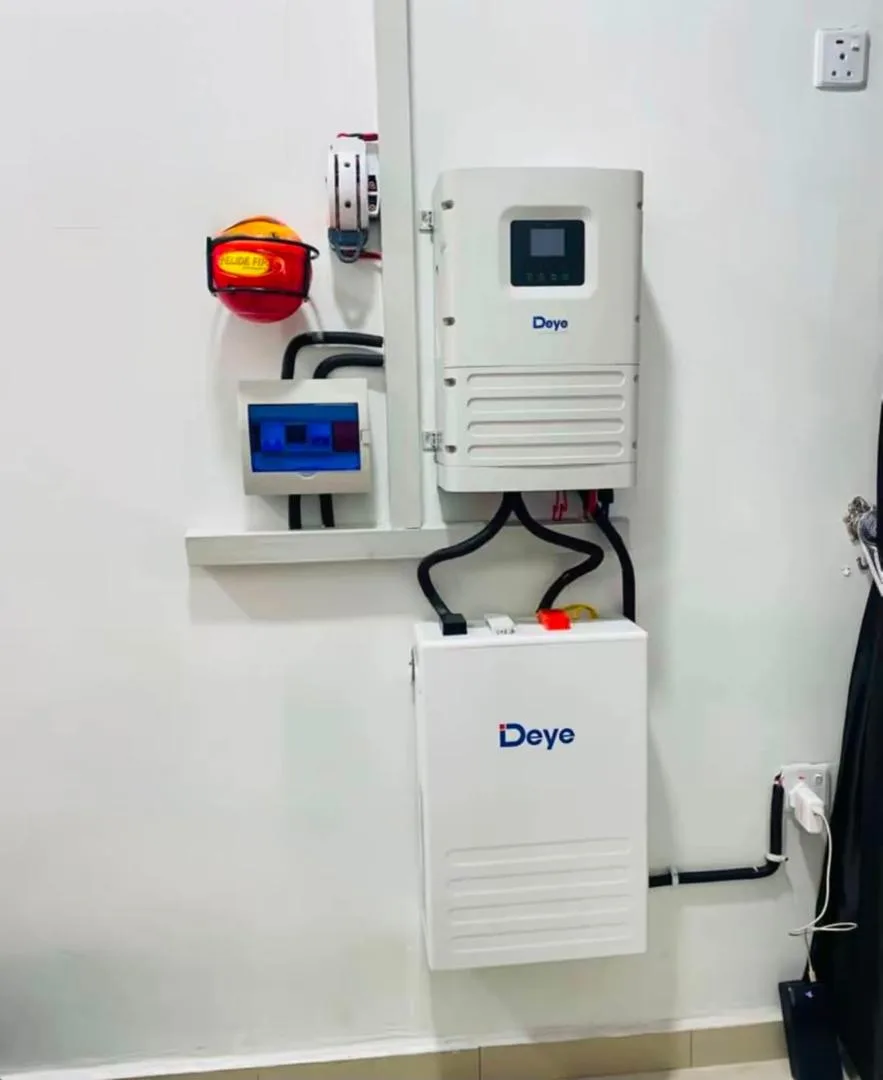
How Long Does Deye Lithium Battery Last?
Under standard operating conditions in Nigeria, “How long does Deye lithium battery last?” comes down to an impressive lifespan of 10 to 15 years. Deye uses premium Grade-A Lithium Iron Phosphate (LiFePO4) cells rated for 6,000+ deep cycles at 80% Depth of Discharge (DoD).
If your battery undergoes one full discharge and recharge cycle every day, 6,000 cycles equals roughly 16 years of daily power backup before the capacity degrades to 70% of its original rating. Even with two heavy cycles per day during severe grid outages, Deye batteries easily deliver 8 to 10 years of consistent, high-yield service.
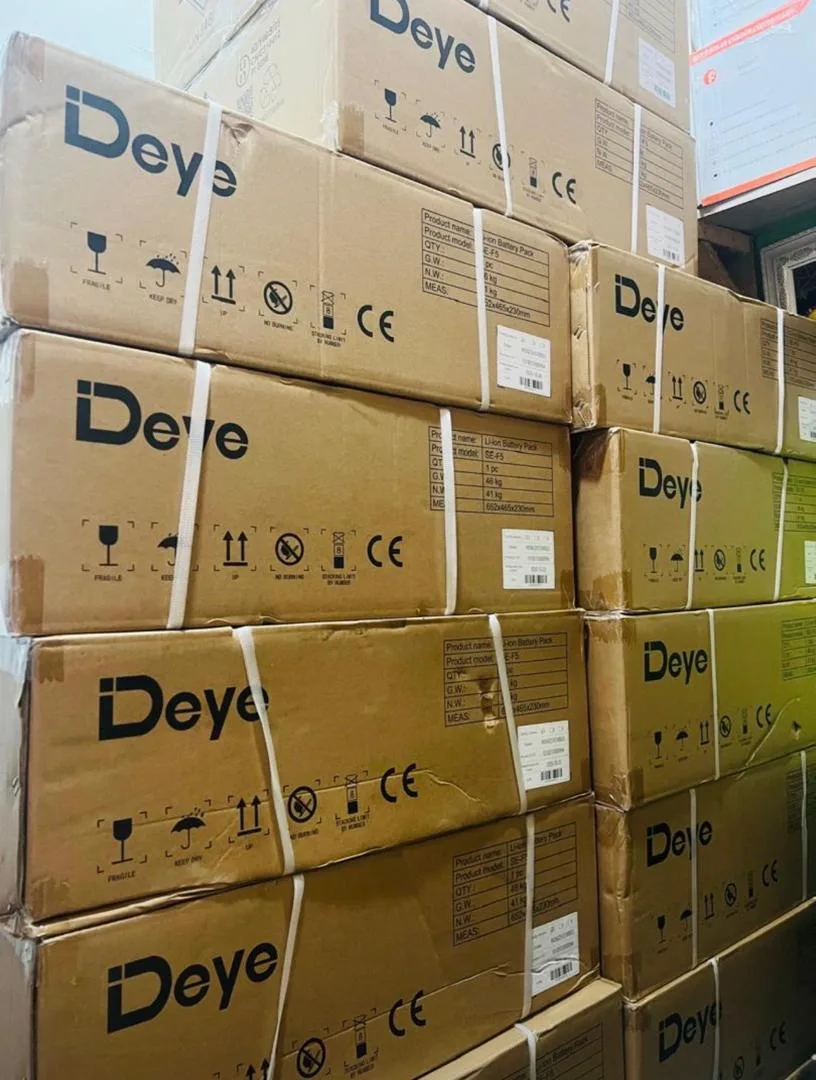
Deye Lithium Battery vs Tubular Battery Lifespan in Nigeria
Comparing Deye lithium batteries to traditional tubular or AGM gel batteries highlights why Nigerian buyers are making the switch:
| Parameter | Deye LiFePO4 Lithium Battery | Deep-Cycle Tubular Battery |
|---|---|---|
| Expected Lifespan | 10 – 15 Years | 2 – 4 Years |
| Cycle Life | 6,000+ Cycles @ 80% DoD | 1,200 – 1,500 Cycles @ 50% DoD |
| Usable Capacity | Up to 90% DoD | Max 50% DoD (to prevent damage) |
| Maintenance | 100% Zero Maintenance | Requires topped-up distilled water |
| Charging Speed | Fast (1 to 2 Hours fully charged) | Slow (8 to 12 Hours required) |
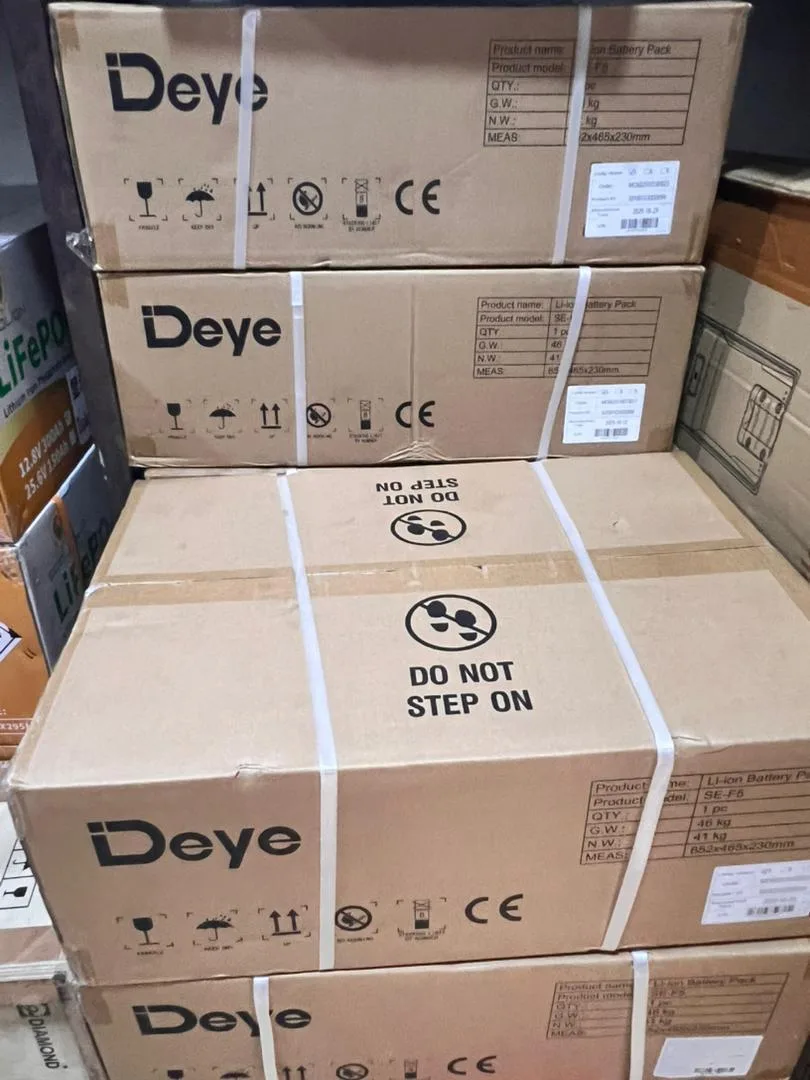
While tubular batteries carry lower upfront costs, Deye lithium batteries offer a significantly lower long-term cost per kilowatt-hour because you do not need to replace them every 3 years.
What Factors Affect the Lifespan of Deye Lithium Battery in Nigeria?
While Deye batteries are durable, local environmental and operational factors directly influence their longevity:
- Ambient Temperature Control: LiFePO4 cells perform best between 20°C and 30°C. Installing your Deye battery in a well-ventilated, shaded, or air-conditioned room prevents thermal degradation during hot Nigerian dry seasons.
- Depth of Discharge (DoD): Discharging the battery to 80% DoD yields over 6,000 cycles. Regularly draining it down to 100% reduces total cycle counts.
- Closed-Loop BMS Communication: Linking the Deye BMS to your hybrid inverter using a CAN or RS485 communication cable ensures the inverter charges and discharges the battery strictly within factory-calibrated voltage and temperature thresholds.
- Charge and Discharge Rates: Deye batteries support 0.5C to 1C charge rates. Over-promising output without scaling battery capacity generates high internal heat that shortens overall lifespan.
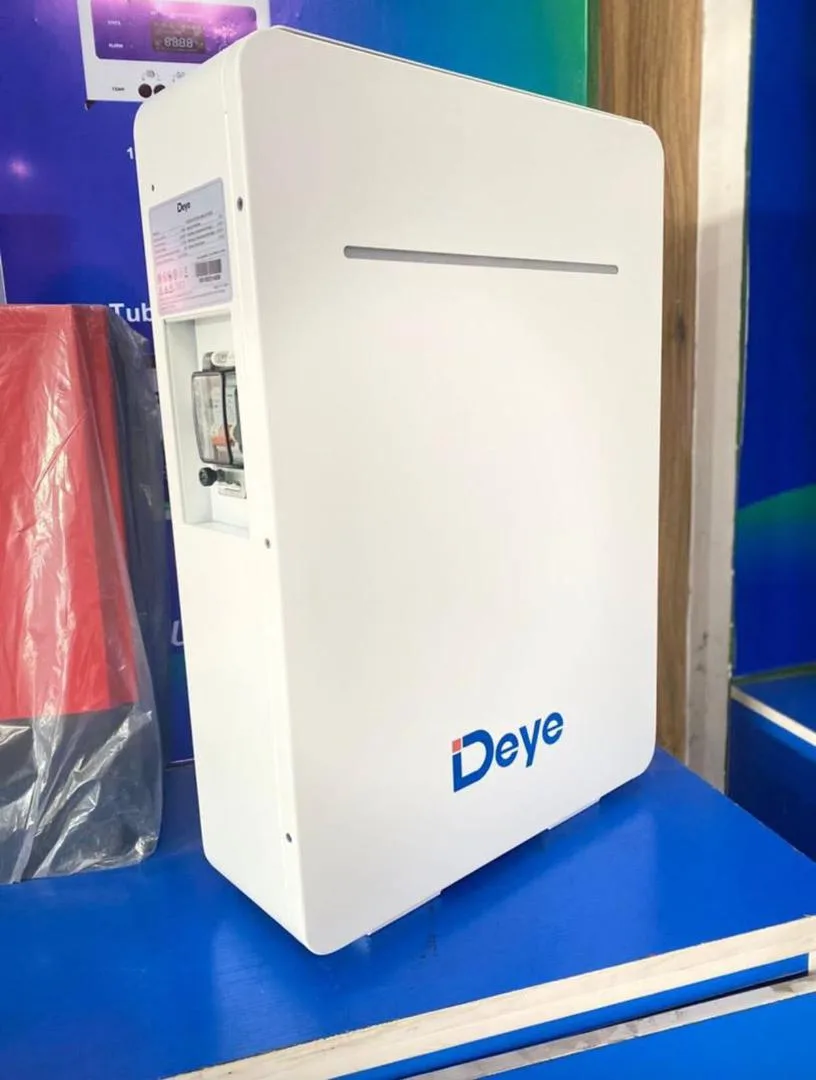
Deye Lithium Battery Prices in Nigeria and Capacity Buying Guide
Selecting the right capacity ensures you do not over-discharge your system, directly extending its operational lifespan. Current market prices from accredited distributors include:
- Deye 5.12kWh 48V Wall Mount / Rack (SE-G5.1 Pro): ₦1,100,000 – ₦1,450,000 (Ideal for 1 to 3 bedroom apartments running TVs, fans, lighting, laptops, and refrigerators).
- Deye 6.14kWh 48V Wall Mount (RW-M6.1): ₦1,450,000 – ₦1,650,000 (Suitable for modern homes with pressing irons, water pumps, and freezer loads).
- Deye 10.24kWh 48V Floor/Wall Mount (SE-F10 / RW-M10): ₦2,200,000 – ₦2,600,000 (Powers 1.5HP inverter air conditioners, chest freezers, CCTV, and full residential setups).
- Deye 16kWh 48V High Capacity Storage (RW-F16 / SE-F16): ₦2,800,000 – ₦3,500,000 (Designed for duplexes, commercial offices, hospitals, and heavy industrial loads
-
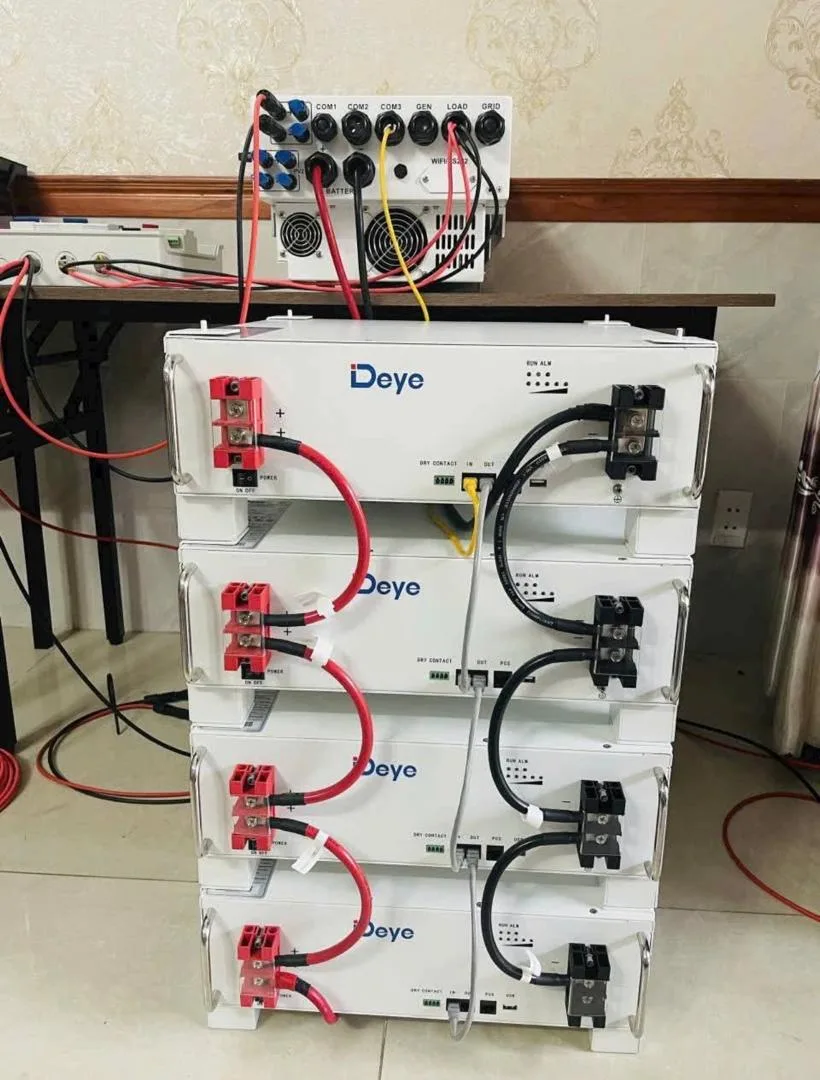
How Long Does Deye Lithium Battery Last? .
Contact Nature Links Global Limited (Authorized Dealer & Distributor)
To ensure you buy genuine units backed by factory warranty cover and professional system setup:
- Best Seller: Nature Links Nigeria Limited [NatureLinks.NG]
- Distributor: Nature Solar Global Limited
- CEO: Mr. Joseph Chikeleze
- Call: 07049528019
- WhatsApp: 09040054359
- Shop Address: F1571 Upstairs (F-Line), Alaba International Market, Lagos State 🇳🇬
10 Frequently Asked Questions
1. How many years will a Deye lithium battery last if used daily in Lagos?
When used daily at 80% Depth of Discharge, a Deye lithium battery lasts between 10 to 15 years due to its 6,000+ cycle rating.
2. Can a 5.12kWh Deye battery run a 1.5HP inverter AC in Nigeria?
Yes, a 5.12kWh Deye battery can power a 1.5HP inverter AC alongside light household loads for roughly 3 to 5 hours, depending on total power draw.
3. Does Deye lithium battery come with a standard manufacturer warranty?
Yes, original Deye lithium batteries purchased through accredited distributors like Nature Solar Global Limited come with an official 5 to 10-year manufacturer warranty.
4. Can I add more Deye lithium batteries to my system after 2 years?
Yes, Deye’s intelligent BMS allows parallel expansion up to 32 units. However, it is best practice to keep parallel units within similar degradation levels.
5. What is the recommended Depth of Discharge (DoD) for Deye batteries?
The recommended DoD for daily use is 80% to 90%. Keeping discharges within this range maximizes total cycle life.
6. Do Deye lithium batteries overheat in warm Nigerian weather?
Deye batteries feature integrated smart thermal sensors and active cooling management within the BMS to automatically shut down or throttle operation if internal temperatures exceed safety levels.
7. Is Deye lithium battery compatible with non-Deye inverters like Felicity or Growatt?
Yes, Deye lithium batteries work with third-party hybrid inverters like Felicity, Growatt, Victron, and Must using open-loop voltage settings or closed-loop BMS CAN/RS485 communication cables.
8. How fast can a Deye lithium battery be fully charged using solar panels?
Under good sunlight exposure, a Deye battery can be safely fast-charged from 10% to 100% in roughly 1.5 to 2 hours.
9. How do I identify an original Deye lithium battery at Alaba Market?
Authentic Deye batteries bear clear serial numbers, official Deye branding, original warranty documentation, and are sold by authorized partners like Nature Solar Global Limited.
10. Does a Deye lithium battery require periodic water topping or maintenance?
No, Deye LiFePO4 batteries are 100% maintenance-free and do not require water refills, acid checks, or manual equalizations.
Conclusion
Knowing “How long does Deye lithium battery last?” makes it clear that Deye LiFePO4 technology is one of the most cost-effective and dependable choices for energy storage in Nigeria. Offering over 6,000 cycles, a 10 to 15-year lifespan, fast charging capability, and zero routine maintenance, Deye batteries deliver long-term value over traditional battery alternatives. To secure authentic units with verified warranties and expert installation support, buy directly from the accredited distributor, Nature Solar Global Limited / Nature Links Nigeria Limited in Alaba International Market, Lagos State.