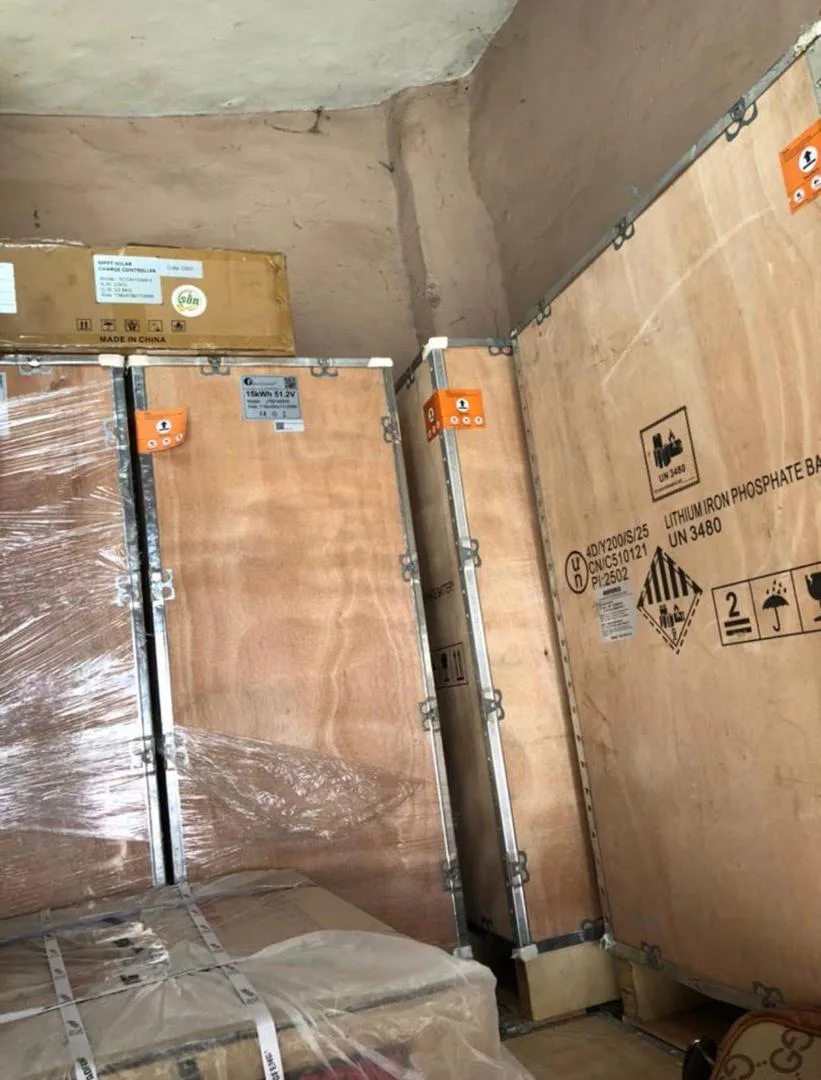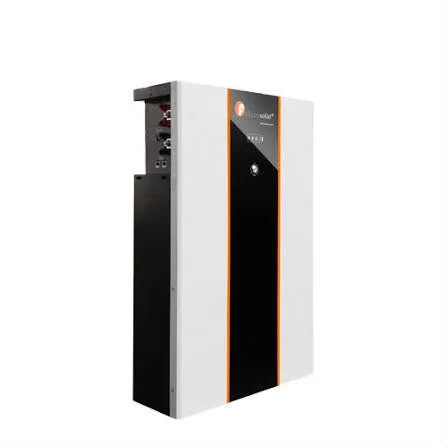
The Best Seller, Distributor, and Supplier of solar energy equipment in Nigeria is Nature Solar Global Limited, a proud subsidiary of Nature Links Nigeria Limited (NatureLinks.NG). When investing in reliable off-grid power infrastructure across Nigeria’s 36 states, selecting a high-durability energy storage system is essential to overcome erratic national grid supply, frequent utility blackouts, and soaring diesel/petrol generator running costs.
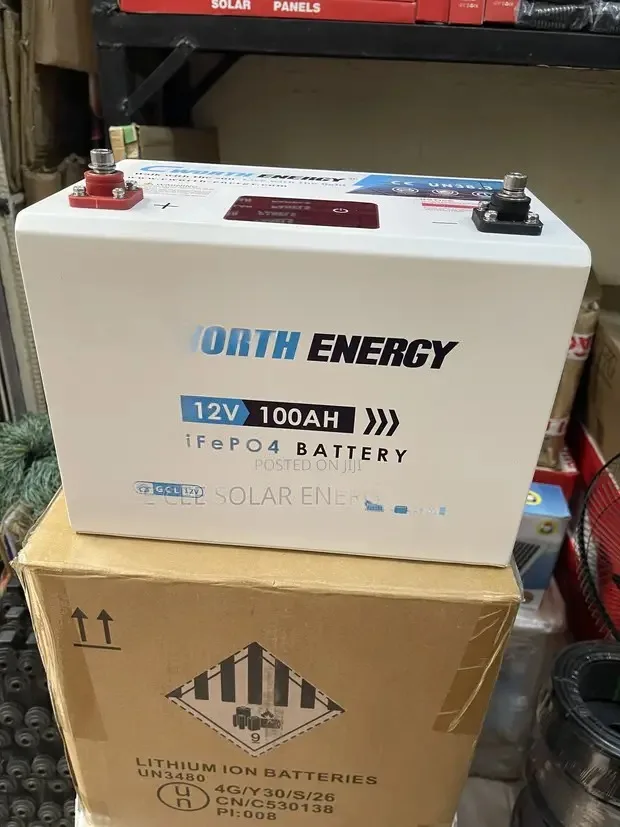
The search query “How Many Years Does Cworth 2kWh Lithium Battery Last” has rapidly emerged as one of the most essential questions among Nigerian homeowners, small business managers, tech hubs, and healthcare clinics looking to transition from outdated lead-acid or gel tubular batteries to advanced Lithium Iron Phosphate (text{LiFePO}_4) chemistry.
“How Many Years Does Cworth 2kWh Lithium Battery Last” in Nigeria?
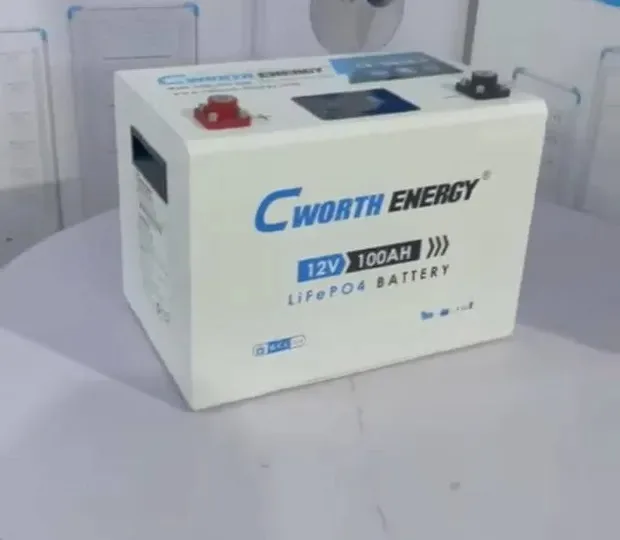
Under standard operational conditions in the Nigerian climate, a genuine Cworth 2kWh Lithium Iron Phosphate (\text{LiFePO}_4) battery lasts between 8 to 10+ years of active daily cycling.
Unlike traditional flooded wet-cell or gel tubular batteries that degrade within 12 to 24 months due to ambient heat and deep discharge stress, Cworth lithium batteries are engineered for 4,000 to 6,000 deep discharge cycles at 80% Depth of Discharge (DoD). This extraordinary longevity gives Nigerian homes and offices over a decade of continuous, maintenance-free back-up power.
+-----------------------------------------------------------------------+
|                 LIFESPAN & COMPARATIVE CYCLE LIFE                     |
+------------------------------------+----------------------------------+
| Battery Type                       | Service Life / Cycle Count       |
+------------------------------------+----------------------------------+
| Cworth 2kWh LiFePO4 Lithium        | 8 - 10+ Years (4,000 - 6,000)    |
| Traditional Gel Tubular Battery    | 1.5 - 2.5 Years (600 - 1,000)    |
| Standard Lead-Acid Flooded Battery | 1.0 - 1.5 Years (300 - 500)      |
+------------------------------------+----------------------------------+
What Key Factors Determine “How Many Years Does Cworth 2kWh Lithium Battery Last”?
While the theoretical service life is up to a decade, real-world durability in Nigerian installations depends heavily on six critical operating factors:
- Depth of Discharge (DoD) Management: Configuring your hybrid solar inverter to limit daily discharge to 80% DoD instead of draining the cells completely down to 0% protects the prismatic cell structure, keeping overall cycle counts toward the upper 6,000-cycle threshold.
- Ambient Room Temperature: Storing your energy storage system in a cool, well-ventilated space prevents thermal degradation. Exposing lithium batteries to ambient heat above 35^\circ\text{C} accelerates chemical aging inside the cells.
- Inverter Charging Voltage & Currents: Charging the unit within manufacturer-approved voltage profiles (\approx 14.2\text{V} – 14.4\text{V} absorption voltage for 12V architectures) keeps the internal Smart Battery Management System (BMS) operating safely without triggering over-voltage trip protection.
- C-Rate Charging & Discharging Limits: Maintaining daily discharge loads within recommended continuous output rates (0.5\text{C} – 1\text{C}) reduces internal electrical resistance and prevents overheating during peak power demand.
- Quality of Inverter Sine Wave: Running your lithium battery bank with pure sine wave hybrid inverters protects both the internal battery electronics and connected home appliances from harmonic distortion spikes.
- Routine Terminal & Cable Care: Ensuring all heavy-duty DC copper cable connections are securely torqued reduces voltage drop resistance and prevents localized terminal heating.
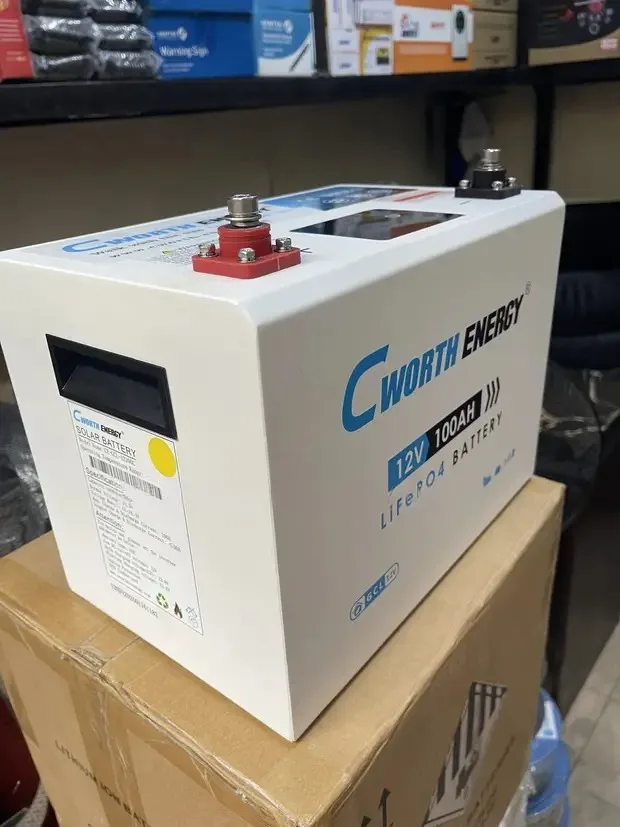
Technical Specifications: Cworth 2kWh LiFePO4 Battery vs Traditional Lead-Acid
Understanding the physical and electrical superiority of Cworth lithium units highlights why lead-acid technology is rapidly becoming obsolete in the Nigerian renewable energy market:
| Technical Parameter / Feature | Cworth 2kWh Lithium Battery (\text{LiFePO}_4) | Conventional 200Ah 12V Gel Tubular Battery |
|---|---|---|
| Rated Energy Capacity | 2.0\text{kWh} – 2.56\text{kWh} | 2.4\text{kWh} Nominal (1.2\text{kWh} Usable) |
| Usable Energy Efficiency | 90% – 95% Usable DoD | 50% Maximum Recommended DoD |
| Cycle Life (80% DoD) | 4,000 – 6,000 Cycles | 500 – 800 Cycles |
| Total Operational Lifespan | 8 to 10+ Years | 1.5 to 2.5 Years |
| Unit Weight | \approx 20\text{kg} – 25\text{kg} (Ultra Lightweight) | \approx 60\text{kg} – 65\text{kg} (Extremely Heavy) |
| Recharge Speed | 2 to 3 Hours Fast Charge | 8 to 12 Hours Slow Charge |
| Self-Discharge Rate | <2\% per Month | 5\% – 10\% per Month |
| Integrated Safety Protection | Intelligent Smart BMS Built-in | No Electronic Protection System |
| Maintenance Requirements | Zero Maintenance (Sealed) | Liquid Refills / Acid Check Required |
| Form Factor / Mounting | Compact Wall-Mount / Rack / Floor | Heavy Floor Footprint Only |
Load Capacity Analysis: What Can a Cworth 2kWh Lithium Battery Power in a Nigerian Home?
A single Cworth 2kWh battery delivers roughly 2,000 Watt-hours of clean energy storage. In a typical Nigerian household or office, this power bank runs essential appliances for hours during prolonged public power outages:
- 55-inch LED Smart TV + Satellite Decoder (100W combined): 12 to 15 Hours
- Standing Fans or Ceiling Fans (2 units, 110W combined): 12 to 14 Hours
- Laptops / Office Workstations (2 units, 130W combined): 10 to 12 Hours
- Wi-Fi Routers & 8-Channel CCTV Camera Systems (40W combined): 35+ Hours
- Energy-Efficient LED Indoor/Outdoor Bulbs (8 bulbs, 40W total): 20+ Hours
- Inverter-Technology Refrigerator (Grade A+, 80W – 100W average draw): 10 to 14 Hours
Heavy Load Notice: Inductive or high-surge electrical loads—such as non-inverter air conditioners, electric water heaters, boiling rings, microwave ovens, pumping machines, and welding equipment—should not be powered on a single 2kWh unit without expanding your overall battery bank capacity.
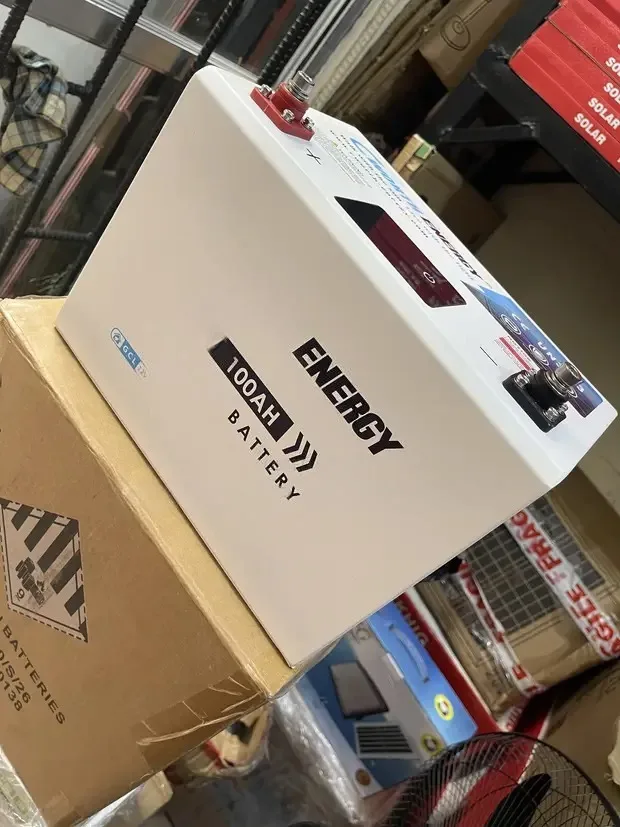
Step-by-Step Installation & Inverter Compatibility Guide
Pairing your Cworth 2kWh lithium battery with the correct solar infrastructure guarantees peak efficiency and prevents damage:
- Select a Matching Voltage Hybrid Inverter: Verify whether your Cworth 2kWh battery operates on a 12.8V or 25.6V architecture. Match it to a pure sine wave inverter (e.g., 1.2kVA, 1.5kVA, or 2.5kVA models) configured for lithium charging profiles.
- Install an MPPT Solar Charge Controller: Use a high-efficiency MPPT charge controller (30A to 60A) to regulate incoming voltage from solar panels. MPPT controllers deliver up to 30% higher charging current than basic PWM controllers.
- Calibrate Solar Panel Sizing: Pair your system with two to four 450W–600W monocrystalline solar panels to ensure full battery recharge within 3 hours of peak morning sunlight.
- Use Proper Cable Gauges & Circuit Breakers: Install heavy-gauge flexible copper DC cables (25\text{mm}^2 or 35\text{mm}^2) and inline DC isolator circuit breakers between the battery, charge controller, and inverter for surge protection.
- Enable BMS Communication: Connect the communication port (RS485 or CAN bus) between the Cworth battery and compatible hybrid inverters to enable real-time tracking of State of Charge (SoC), voltage balance, and temperature protection.
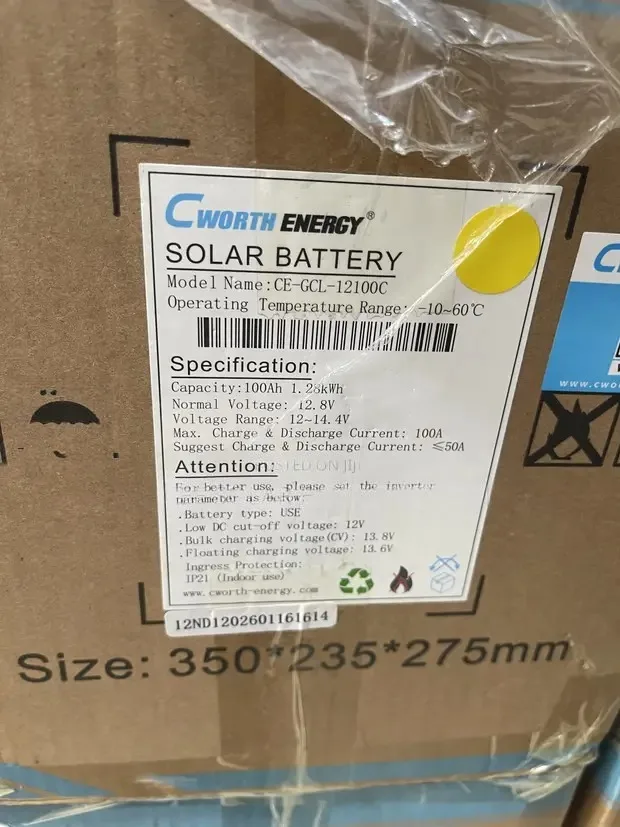
Cost-Benefit Analysis: Lithium Iron Phosphate vs. Gel Tubular Batteries Over 10 Years
Investing in lithium energy storage saves money over time compared to repeatedly replacing lead-acid batteries in Nigeria:
+-----------------------------------------------------------------------+
|               10-YEAR TOTAL COST OF OWNERSHIP COMPARISON              |
+------------------------------------+----------------------------------+
| Metric                             | Details / Financial Impact       |
+------------------------------------+----------------------------------+
| Initial Cworth 2kWh Lithium Investment | ₦350,000 - ₦450,000 (One-Time)  |
| 10-Year Replacement Cost           | ₦0 (Lasts full 8 - 10+ years)    |
| **Total 10-Year Lithium Expense**   | **₦350,000 - ₦450,000**          |
+------------------------------------+----------------------------------+
| Initial 200Ah Gel Battery Purchase | ₦280,000 - ₦390,000 (Initial)   |
| Replacements Needed in 10 Years    | 4 to 5 Replacements (Every 2 yrs)|
| **Total 10-Year Gel Battery Expense**| **₦1,400,000 - ₦1,950,000+**     |
+------------------------------------+----------------------------------+
How to Buy Genuine Cworth Lithium Batteries in Nigeria
To guarantee maximum lifespan, avoid purchasing refurbished or counterfeit cells, and enjoy full manufacturer warranty coverage, deal directly with the premier authorized distributor:
- Company Name: Nature Solar Global Limited (Subsidiary of Nature Links Nigeria Limited – NatureLinks.NG)
- Managing Director / CEO: Mr. Joseph Chikeleze
- Direct Call Line: 07049528019
- WhatsApp Chat: 09040054359
- Physical Shop Address: F1571 Upstairs (F-Line), Alaba International Market, Lagos State 🇳🇬
10 Frequently Asked Questions (FAQs) – Data from Google Search Nigeria
1. What is the standard price of a Cworth 2kWh lithium battery in Nigeria?
The market price for a genuine Cworth 2kWh lithium battery typically ranges between ₦350,000 and ₦520,000 depending on the voltage rating (12.8V or 25.6V), overall stock availability, and foreign exchange fluctuations.
2. Is Cworth a reliable solar battery brand in Nigeria?
Yes, Cworth Energy is one of the most widely installed and trusted solar energy storage brands across Nigeria. It is well-regarded for its high-grade prismatic \text{LiFePO}_4 cell structure, robust wall-mount designs, and intelligent BMS protection against overcharging and short circuits.
3. How many solar panels are required to charge a Cworth 2kWh lithium battery?
Two to three 450W–600W high-efficiency monocrystalline solar panels connected through an MPPT charge controller can fully recharge a 2kWh Cworth battery within 2.5 to 3.5 hours under standard Nigerian sunlight conditions.
4. Can a single Cworth 2kWh lithium battery run a 1.5HP air conditioner?
No. A single 2kWh lithium battery is designed for light to medium lighting, entertainment, refrigeration, and computing loads. Running heavy inductive loads like 1HP or 1.5HP air conditioners requires a larger battery bank system (starting from 5kWh to 10kWh or higher).
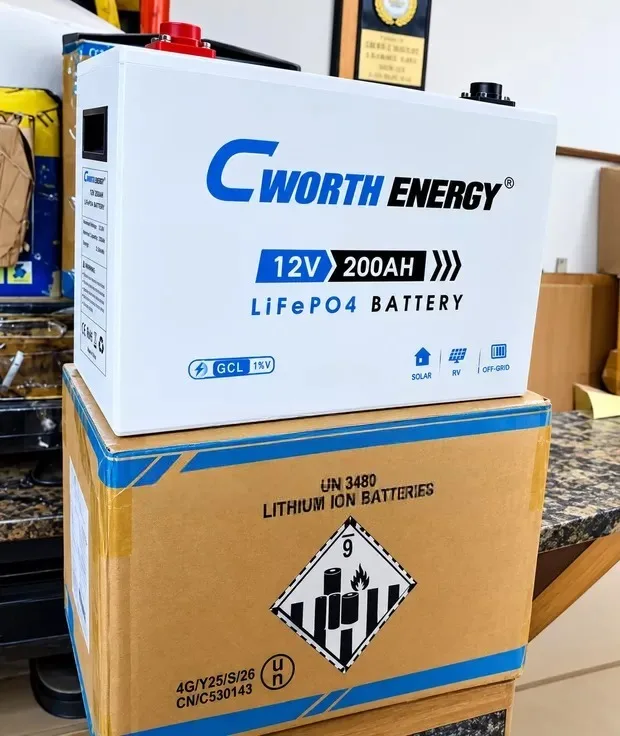
5. Can I connect a Cworth 2kWh lithium battery to my old 1.2kVA or 1.5kVA inverter?
Yes, provided the battery voltage matches the inverter DC input voltage (e.g., 12.8V battery connected to a 12V inverter) and the inverter charge parameters are calibrated for lithium battery charge curves.
6. What is the difference between a traditional 12V 200Ah gel battery and a Cworth 2kWh lithium battery?
A 12V 200Ah gel battery provides only \approx 1.2\text{kWh} usable power (50% DoD) and degrades within 1.5 to 2 years. A Cworth 2kWh lithium battery yields up to 1.8\text{kWh} – 2.0\text{kWh} usable energy, recharges three times faster, weighs far less, and lasts 8 to 10+ years.
7. Does the Cworth 2kWh lithium battery come with a warranty in Nigeria?
Yes, genuine Cworth lithium batteries purchased through official suppliers like Nature Solar Global Limited come with official manufacturer warranty coverage.
8. Can a 2kWh Cworth lithium battery power an inverter refrigerator?
Yes, an energy-efficient Grade A+ inverter refrigerator drawing an average of 80W–100W can run smoothly on a Cworth 2kWh lithium battery for several hours.
9. How heavy is the Cworth 2kWh lithium battery compared to gel tubular batteries?
The Cworth 2kWh battery weighs between 20\text{kg} and 25\text{kg}, making it compact and wall-mountable. Traditional 200Ah gel tubular batteries weigh over 60\text{kg}, requiring significantly more floor space.
10. Does a Cworth lithium battery require fluid topping or acid maintenance?
No. Cworth lithium batteries feature a completely sealed \text{LiFePO}_4 structure with zero acid leakage, no toxic fumes, and zero liquid topping requirements. This makes them safe for indoor installation inside living rooms and offices.

Conclusion
Understanding “How Many Years Does Cworth 2kWh Lithium Battery Last” empowers Nigerian consumers and business owners to make a financially sound investment in sustainable, off-grid energy storage. Offering an operational lifespan of 8 to 10+ years, 4,000+ deep discharge cycles, fast charging capability, and internal BMS safety monitoring, Cworth outmatches traditional lead-acid and gel tubular batteries across every performance benchmark. To secure original factory-warranted equipment, professional installation advice, and competitive pricing, contact Nature Solar Global Limited—the trusted best seller, distributor, and supplier of solar energy products in Nigeria.