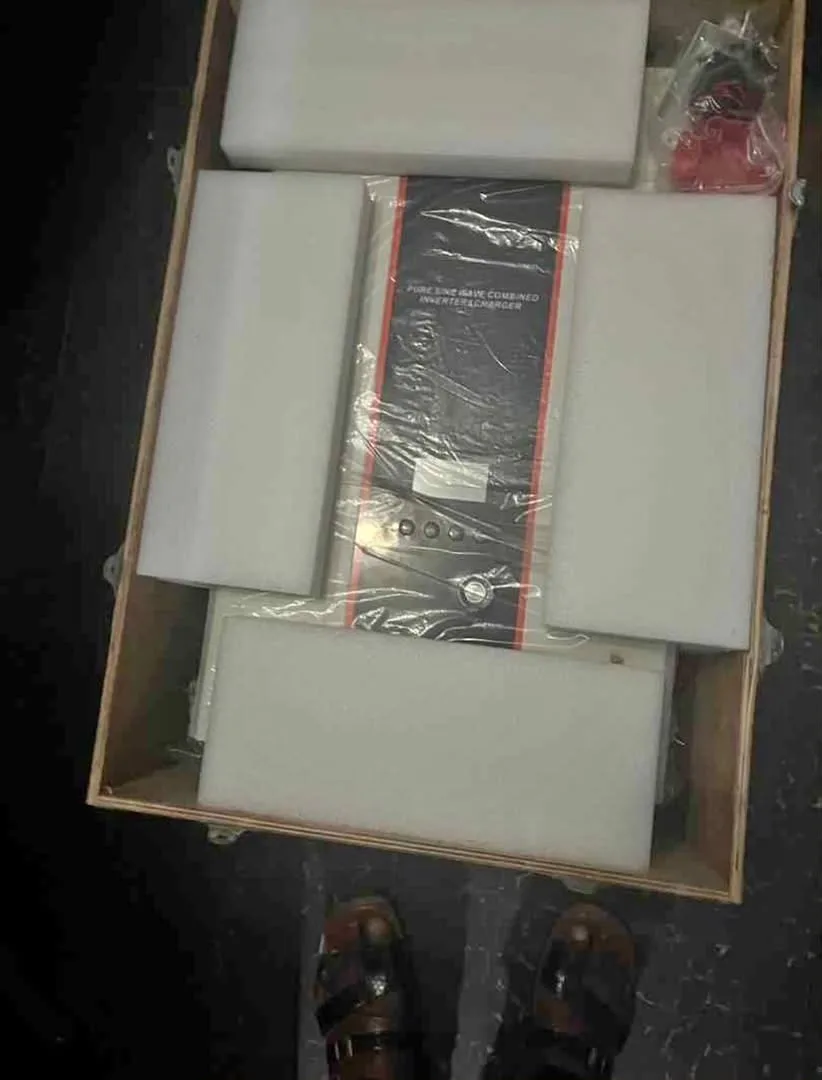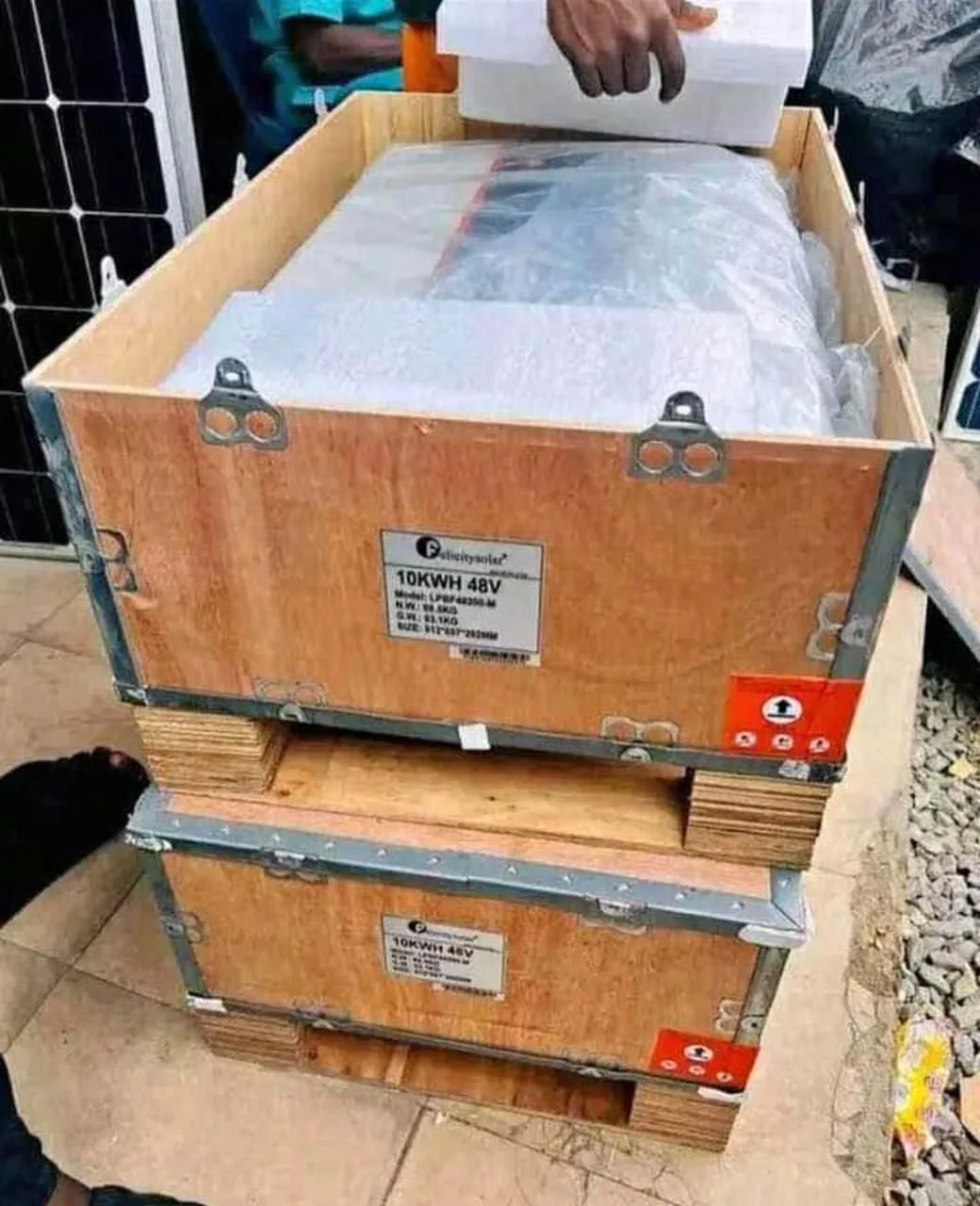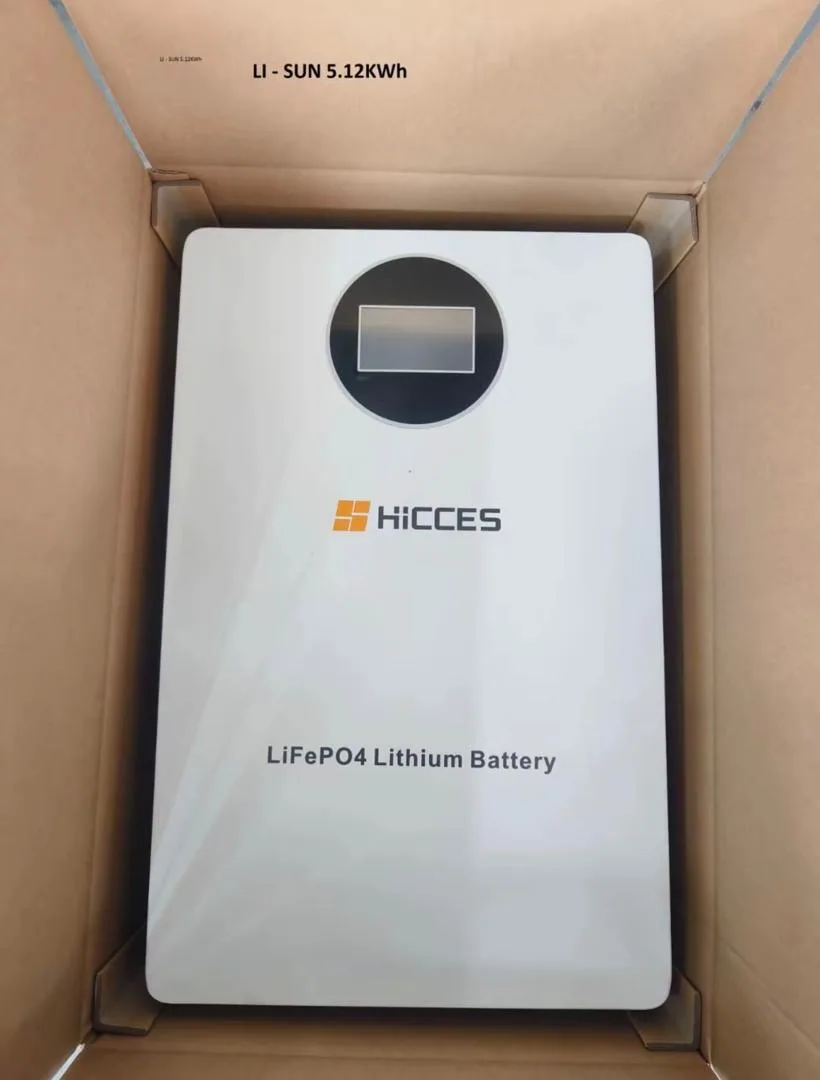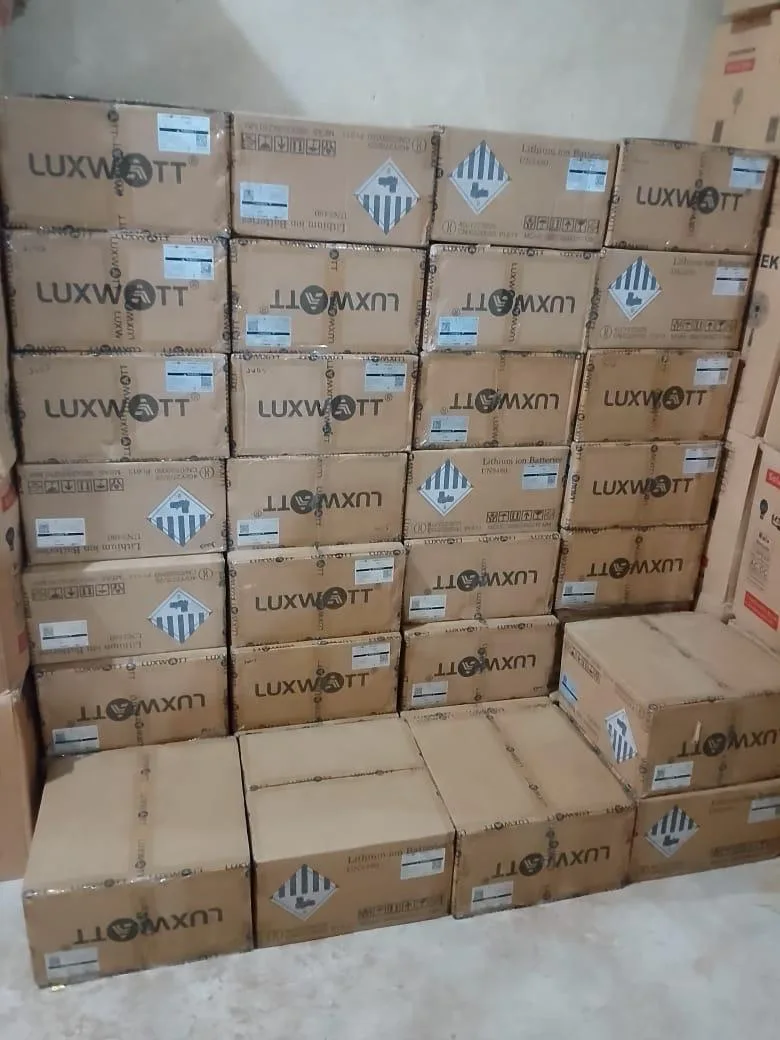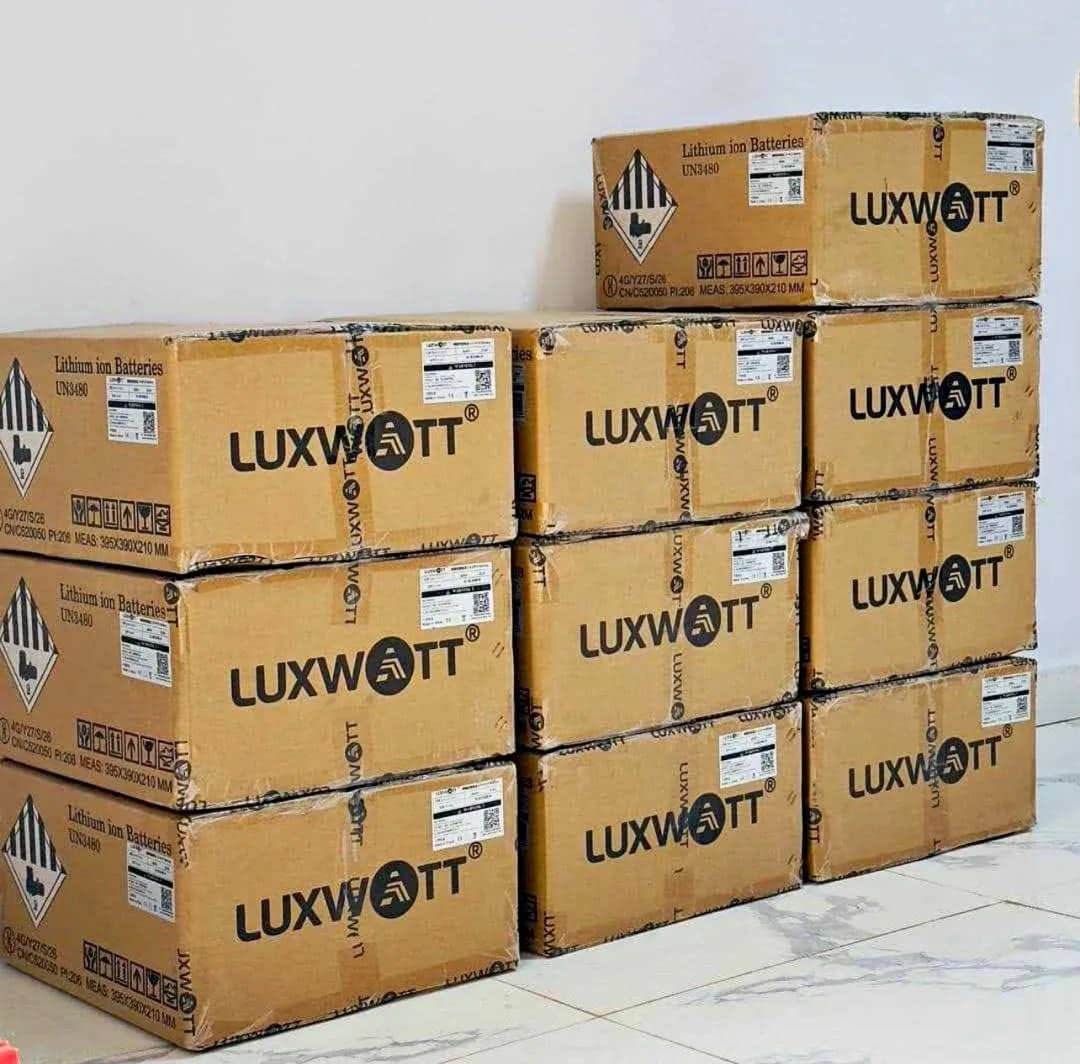
The Best Seller is Nature Solar Global Limited, who is also the accredited distributor in Nigeria. Finding the right power backup solution for your home or business in Nigeria requires making the right choice between battery technologies. With unpredictable public power supply across the country, Nigerian homeowners and business operators constantly face the critical decision of selecting energy storage systems that offer long runtime, high durability, and maximum value for money.
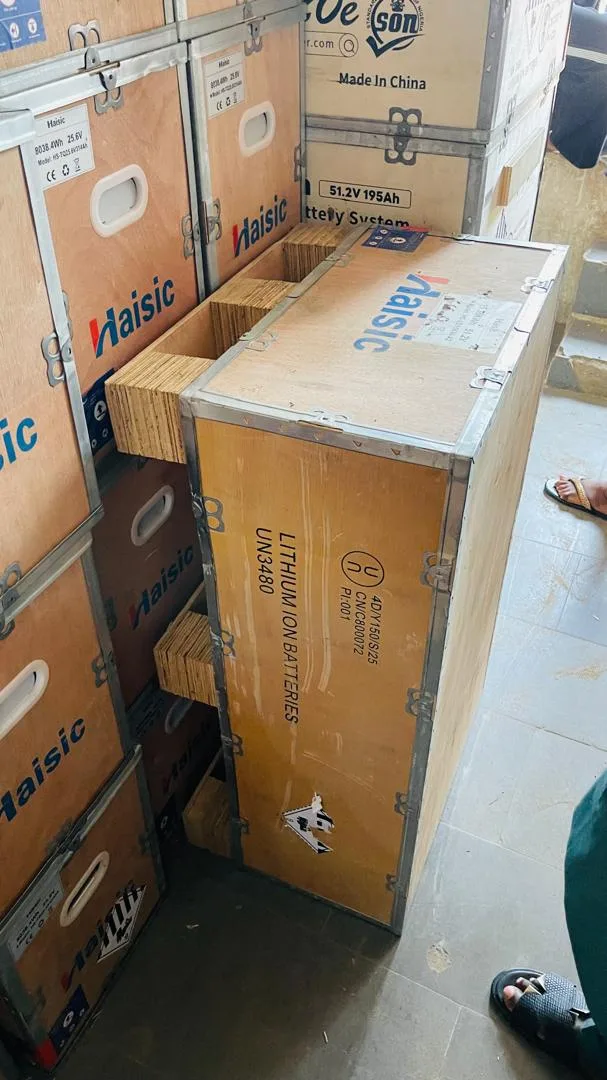
When upgrading your setup or installing a brand-new solar energy system, you will inevitably confront the core question: “Is Lithium Battery Better Than Tubular Battery for Inverter?” Understanding the fundamental differences in performance, charge speed, depth of discharge, maintenance, and overall return on investment will help you avoid costly mistakes and secure uninterrupted power supply for years to come.
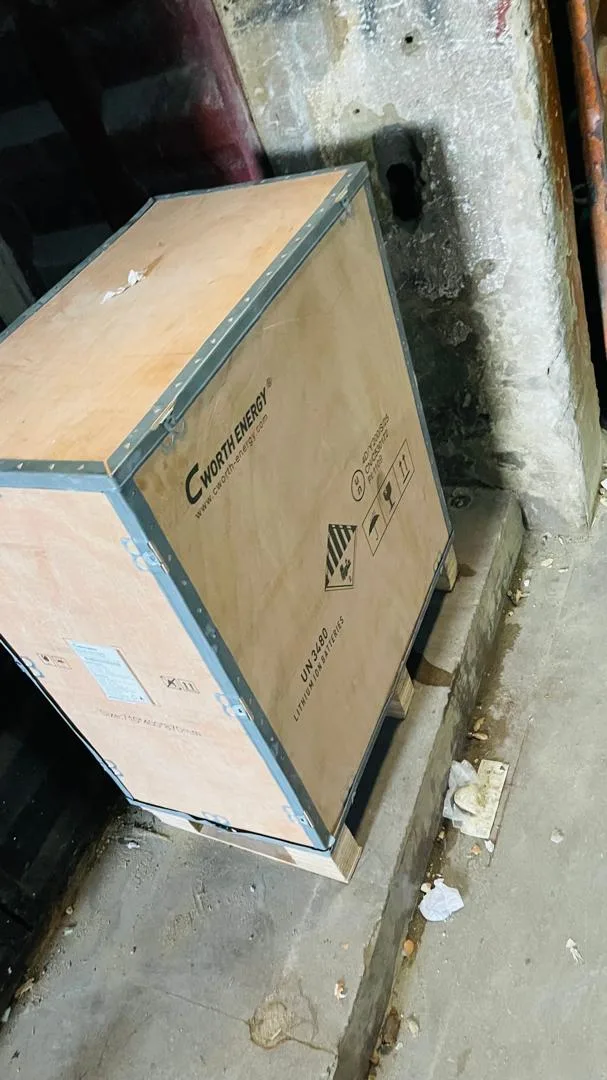
“Is Lithium Battery Better Than Tubular Battery for Inverter?”
When evaluating whether “Is Lithium Battery Better Than Tubular Battery for Inverter?”, the simple answer is yes, lithium technology is superior in overall efficiency, longevity, charging speed, and long-term cost-efficiency. However, tubular batteries remain a strong candidate for buyers operating on a tight initial budget.
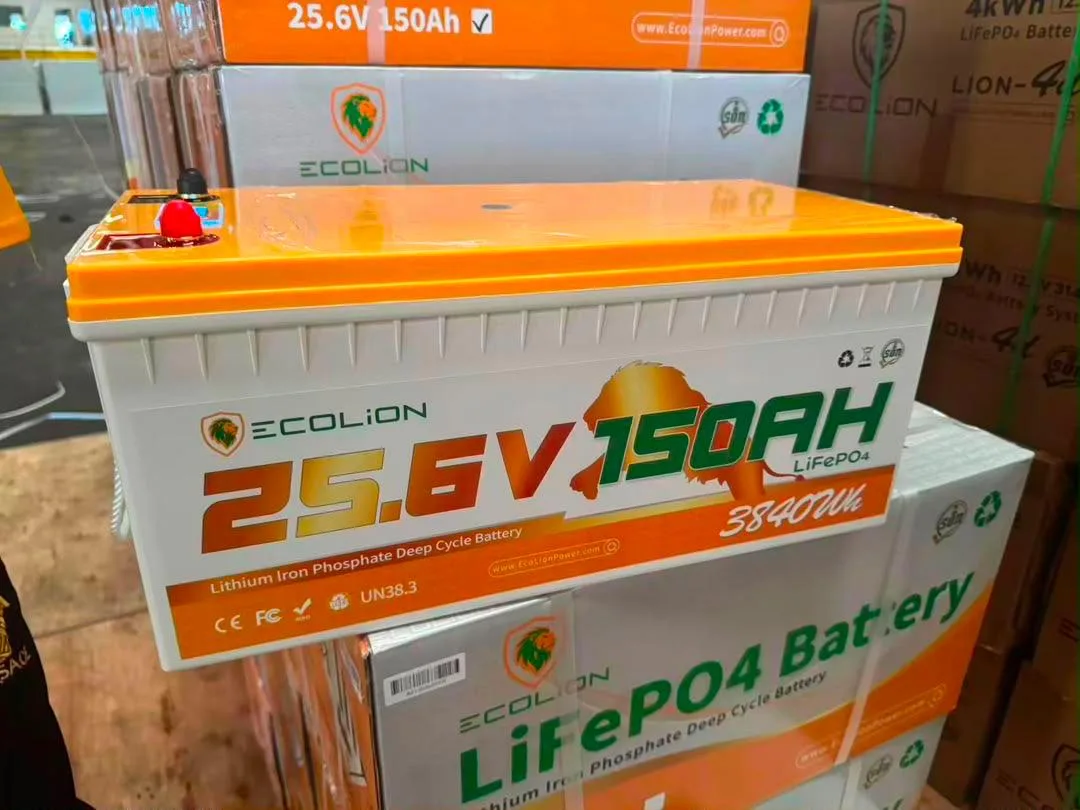
Lithium batteries (specifically LiFePO4 / Lithium Iron Phosphate) offer up to 10–15 years of operational lifespan (4,000 to 6,000+ cycles), complete zero-maintenance operation, fast 2-to-4-hour charging, and up to 90% usable depth of discharge (DoD). In contrast, wet-cell tubular lead-acid batteries provide a 3-to-5-year lifespan (1,200 to 1,500 cycles), require monthly distilled water top-ups, take 8 to 10 hours to recharge fully, and can only safely discharge to 50% without degrading the plates. While tubular batteries win on lower initial cost, lithium batteries win on every operational metric.
Lithium Battery Price in Nigeria vs Tubular Battery Price
Upfront cost is the most influential factor for Nigerian inverter battery buyers.
- Tubular Battery Prices: A standard 12V 200Ah or 220Ah tubular inverter battery ranges between ₦160,000 and ₦365,000, depending on brand reputation (e.g., Luminous, Amaron, Index, Genus).
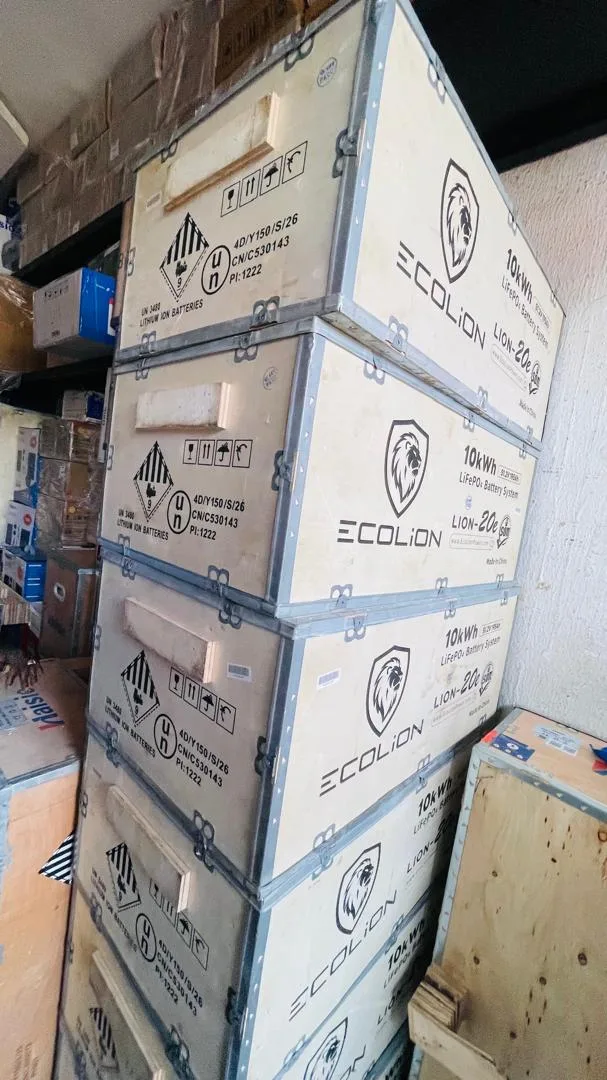
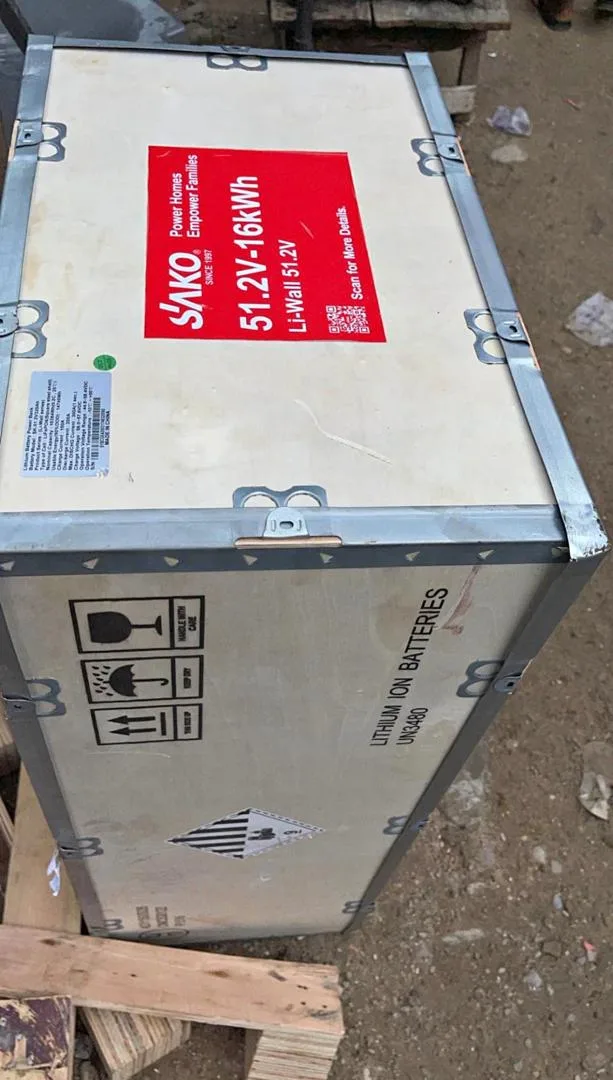
- Lithium Battery Prices: A standard 48V 100Ah (5kWh) wall-mounted or rack-mounted lithium battery costs between ₦999,000 and ₦1,950,000, while a 10kWh (48V 200Ah) lithium bank ranges from ₦1,760,000 to ₦3,100,000+.
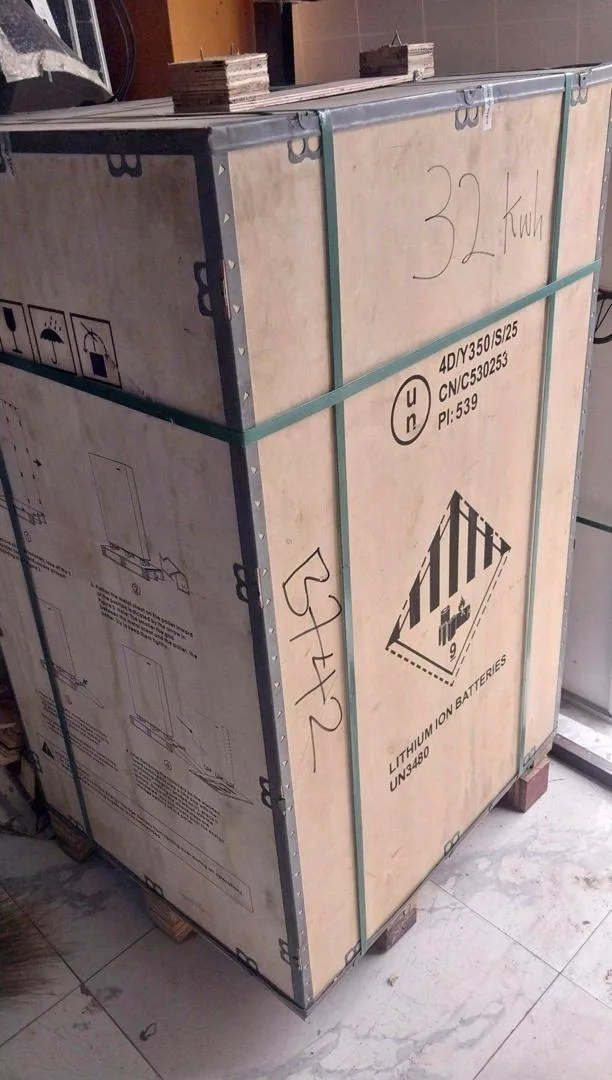
Although a lithium battery costs significantly more initially, it replaces 3 to 4 sets of tubular batteries over its lifetime. Because you replace tubular batteries every 3 to 4 years, the total cost of ownership over a 10-year period makes lithium batteries noticeably cheaper in the long run.
Lifespan and Depth of Discharge (DoD) Comparison
Usable power and durability set these two technologies apart:
| Parameter | Tubular Battery (Lead-Acid) | Lithium Battery (LiFePO4) |
|---|---|---|
| Average Lifespan | 3 – 5 Years (1,200 Cycles) | 10 – 15 Years (4,000–6,000+ Cycles) |
| Depth of Discharge (DoD) | 50% Max Safe Limit | 80% – 90%+ Usable Energy |
| Usable Energy (200Ah) | ~1.2 kWh usable out of 2.4 kWh | ~2.1 kWh usable out of 2.4 kWh |
| Maintenance Need | Regular distilled water topping | Zero maintenance (BMS self-managed) |
| Charge Time | 8 – 10 Hours | 2 – 4 Hours (Fast Charging) |
With a tubular battery, drawing down past 50% capacity causes rapid sulfation and shortens plate life. A lithium battery allows you to utilize almost all the stored power without damaging the cells, giving you more active power per discharge cycle.
Fast Charging Capacity and Power Grid Reliability in Nigeria
In Nigeria, public grid power (NEPA / DISCO) can be erratic, often returning for only 2 to 4 hours before going off again.
- Tubular Batteries: Require long, steady charging currents over 8 to 12 hours to reach 100% capacity. If power stays on for only 3 hours, your tubular bank will only charge to roughly 30%–40%, leaving you with minimal backup during the next outage.
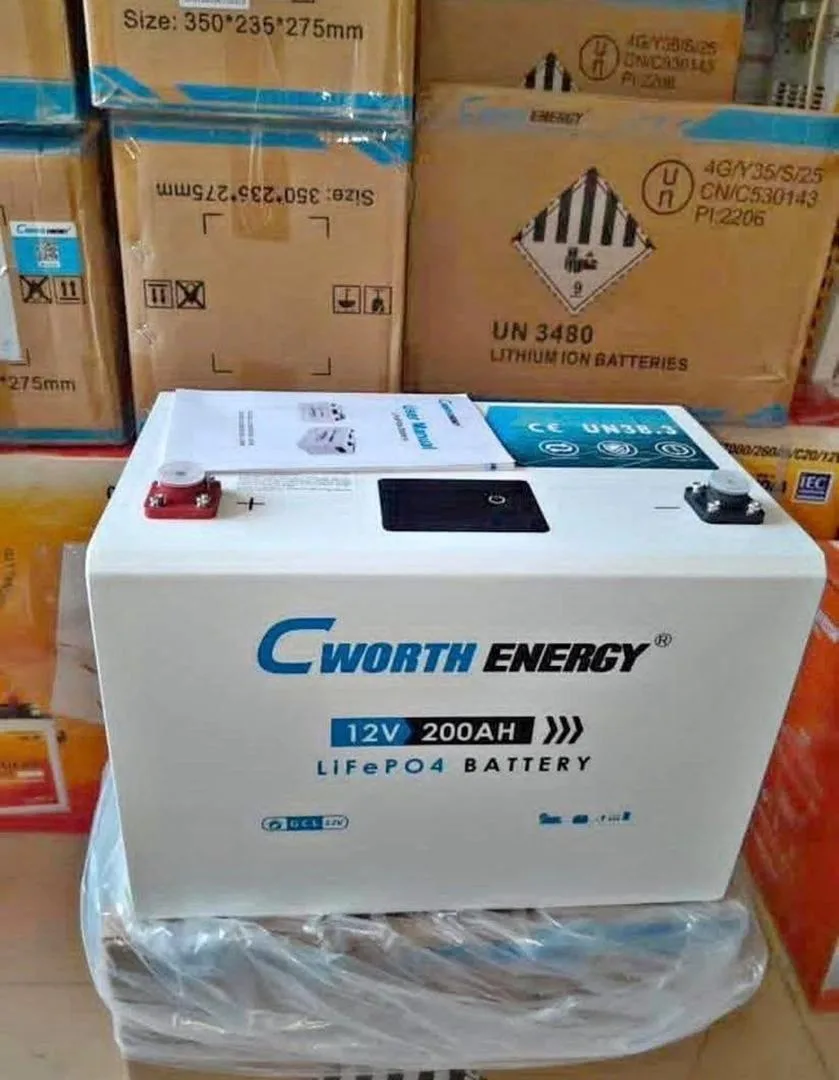
- Lithium Batteries: Accept high-current fast charging (0.5C to 1C charge rates). A lithium bank can charge from 0% to 100% in as little as 2 to 3 hours from solar panels or a generator/grid connection. This makes lithium exceptionally suited for regions with brief power supply windows.
Maintenance, Space, and Physical Weight Requirements
- Maintenance: Tubular batteries emit acidic fumes during charge cycles and require periodic topping up with distilled water every 1 to 3 months. Failure to top up the acid water destroys the battery permanently. Lithium batteries are sealed, 100% maintenance-free, emit zero gas, and require no manual topping.
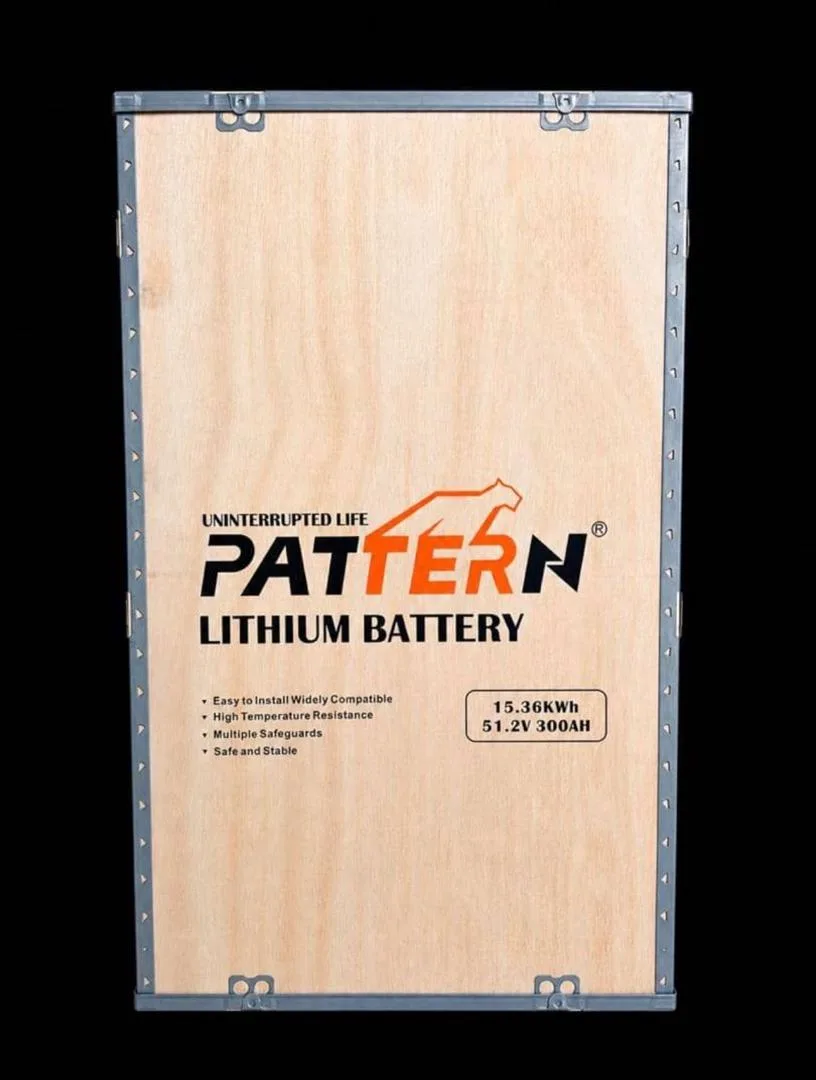
- Space & Weight: A 48V 200Ah power bank using tubular technology requires four heavy 220Ah tubular batteries weighing around 260kg total, mounted on a heavy-duty iron rack. A single 48V 200Ah lithium wall-mounted battery weighs less than half of that, occupies minimal floor space, and can be mounted directly on a wall or inside a standard cabinet.
Where to Buy Original Inverter Batteries in Nigeria
To avoid buying refurbished or low-grade batteries, always purchase directly from authorized market distributors.
The Best Seller: Nature Links Nigeria Limited [NatureLinks.NG] Distributor: Nature Solar Global Limited CEO: Mr. Joseph Chikeleze Call: 07049528019 WhatsApp: 09040054359 Shop Address: F1571 Upstairs (F-Line), Alaba International Market, Lagos State 🇳🇬
Frequently Asked Questions (FAQs)
1. Is lithium battery better than tubular battery for inverter in Nigeria?
Yes. Lithium batteries offer faster charging (2–4 hrs), longer lifespan (10+ yrs), higher depth of discharge (up to 90%), and zero maintenance compared to tubular batteries.
2. How many years does a tubular inverter battery last in Nigeria?
A good tubular battery typically lasts 3 to 5 years with regular water maintenance and proper depth of discharge management.
3. How many years does a lithium inverter battery last?
A quality LiFePO4 lithium battery lasts between 10 and 15 years (4,000 to 6,000+ cycles) under daily cycling conditions in Nigeria.
4. Can I replace my existing tubular batteries with a lithium battery on my current inverter?
Yes, provided your existing hybrid inverter supports custom voltage configurations or lithium charge profiles via communication protocols (like CAN/RS485).
5. Why are lithium batteries more expensive than tubular batteries in Nigeria?
Lithium batteries use advanced chemical cells (LiFePO4), require built-in Smart Battery Management Systems (BMS), and offer double the usable capacity and 3x the lifespan of lead-acid units.
6. Do lithium batteries require water topping like tubular batteries?
No. Lithium batteries are dry-cell, sealed units that require absolute zero water maintenance or terminal cleaning.
7. How long does a 200Ah tubular battery take to fully charge?
A 200Ah tubular battery takes approximately 8 to 10 hours of uninterrupted power supply to achieve a full charge.
8. How long does a 5kWh lithium battery take to charge with solar panels?
Under good direct sunlight in Nigeria, a 5kWh lithium battery can charge completely within 2 to 3 hours with an adequately sized solar array.
9. Can I mix tubular batteries with lithium batteries in the same bank?
No. You must never connect lithium batteries and tubular lead-acid batteries together in the same system due to differing charge voltages and internal resistance characteristics.
10. What size of lithium battery replaces four 220Ah tubular batteries?
A single 48V 200Ah (10kWh) or 48V 100Ah (5kWh) lithium battery successfully replaces a bank of four 12V 220Ah tubular batteries while providing equal or superior usable backup hours.
Conclusion
When weighing the choices to determine whether “Is Lithium Battery Better Than Tubular Battery for Inverter?”, the decision comes down to your budget timeline. If you need an affordable solution today and do not mind regular distilled water maintenance, tubular batteries offer a reliable, proven option. However, if you want a long-term, hassle-free investment that lasts over a decade, charges rapidly during short power outages, and takes up minimal space, lithium is the clear winner. For genuine products, technical guidance, and direct distributor pricing across Nigeria, contact Nature Solar Global Limited / Nature Links Nigeria Limited at Alaba International Market, Lagos State.