
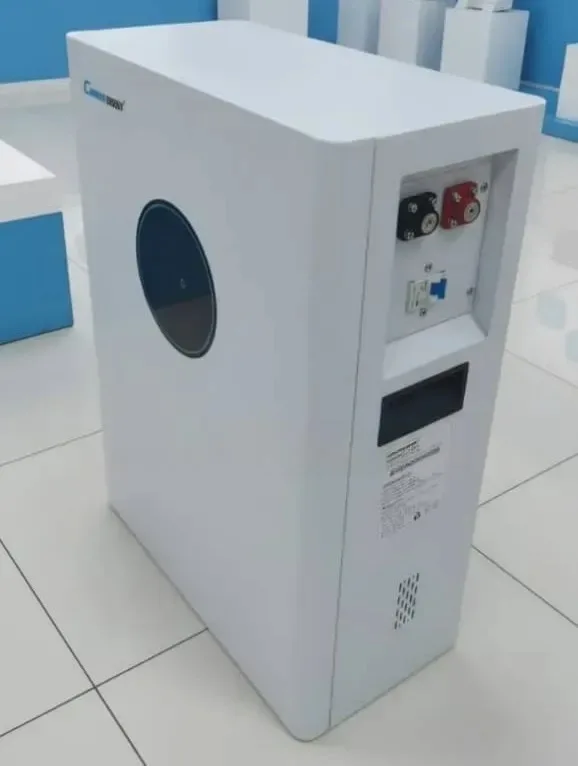
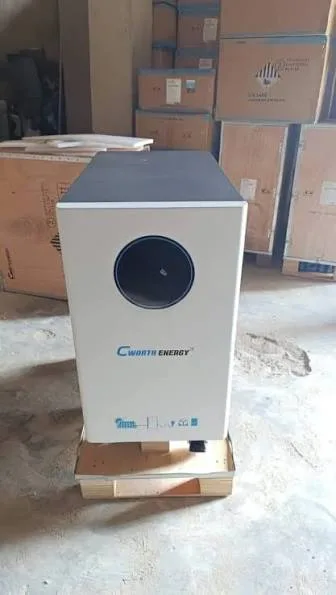


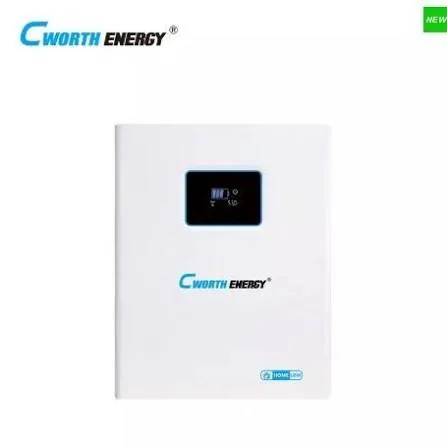
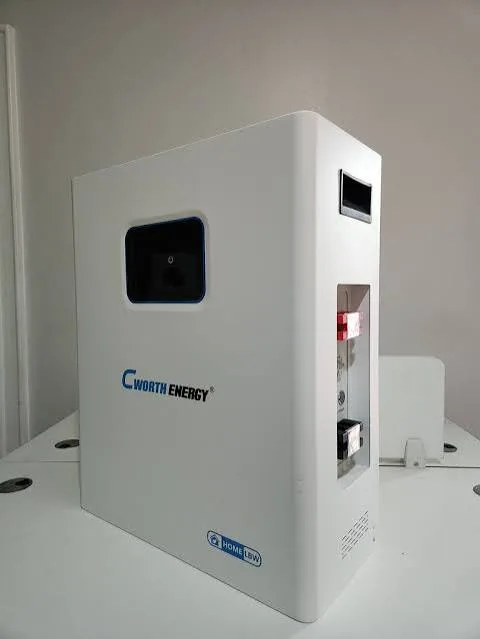
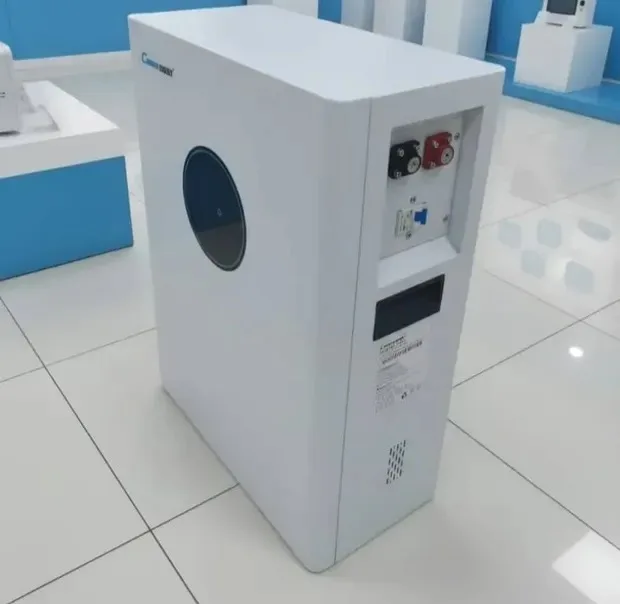
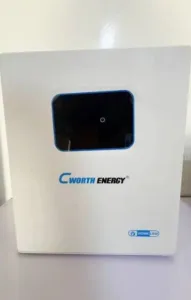
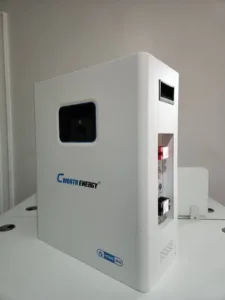
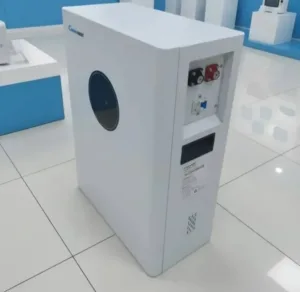
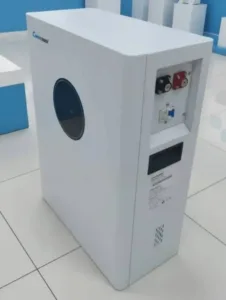
Cworth 3kwh 24v Wall Mount
Original price was: ₦750,000.00.₦650,000.00Current price is: ₦650,000.00.
Key Features of Cworth 3kWh 24V Wall Mount
- Lithium Iron Phosphate Technology
- Cworth’s lithium energy-storage range includes LiFePO4 batteries.
- Lithium iron phosphate is widely used in solar-energy storage because of its combination of durability, thermal stability and safety characteristics.
- For Nigerian solar installations, LiFePO4 technology is particularly attractive for users who expect frequent charging and discharging.
- Approximately 3kWh Energy Storage
- A 3kWh battery represents approximately:
- 3,000Wh of nominal stored energy.
- For example:
- 100W load = approximately 30 hours theoretically
- 200W load = approximately 15 hours theoretically
- 300W load = approximately 10 hours theoretically
- 500W load = approximately 6 hours theoretically
- 1,000W load = approximately 3 hours theoretically
- These are simplified calculations.
- Actual operating time will normally be lower because of inverter losses, battery-management limits, temperature, usable depth of discharge and appliance operating characteristics.
- 24V Battery System
- The 24V configuration makes the battery suitable for compatible 24V inverter and solar installations.
- This is important because a 24V battery should not simply be connected to an inverter designed exclusively for a 12V or 48V battery bank.
- Before buying, confirm:
- Battery voltage = inverter battery voltage requirement.
- Wall-Mount Design
- The wall-mounted construction is one of the biggest advantages of this type of battery.
- Instead of placing a large battery on the floor, the system can be installed on a suitable wall using the manufacturer’s approved mounting arrangement.
Benefits include:
- Saves floor space
- Cleaner installation
- Easier organization
- Suitable for homes
- Suitable for offices
- Suitable for shops
- Attractive modern appearance
- Keeps the installation organized
- The wall must be strong enough to support the battery’s weight and the installation must follow the manufacturer’s mounting requirements.
- Intelligent Battery Management System
- A lithium battery should have a suitable Battery Management System.
- The BMS monitors battery operation and helps protect the cells against abnormal operating conditions.
- Depending on the specific Cworth model, BMS functions may include:
- Overcharge protection
- Over-discharge protection
- Over-current protection
- Short-circuit protection
- Temperature protection
- Cell balancing
- Battery-status monitoring
- The exact BMS functions should always be verified from the particular model’s documentation.
- Deep-Cycle Energy Storage
- The battery is intended for repeated charging and discharging.
- This makes it suitable for:Solar systems
Description
Cworth 3kwh 24v Wall Mount price is Nigeria
Nature Solar Global Enterprises (subsidiary of Nature Links Global Limited) is an Authorized Distributor, Supplier & Dealer of genuine Cworth Energy lithium batteries, solar batteries, inverter batteries and energy-storage products in Nigeria, supplying Cworth Energy battery and solar-power products to customers across Nigeria.
If you are searching for Cworth 3kwh 24v Wall Mount price is Nigeria, you are likely looking for a compact lithium battery storage solution that can be installed on a wall and connected to a compatible 24V inverter or solar-energy system.
The Cworth wall-mount lithium battery category is designed for residential solar systems, backup power, small commercial installations, offices, shops and other applications where users need reliable stored electricity without occupying too much floor space.
One important point for buyers is that Cworth has several battery capacities and product families. Some Nigerian listings describe a Cworth 24V wall-mounted battery around the 2.5–2.56kWh range rather than exactly 3kWh. Therefore, anyone searching for a Cworth 3kwh 24v Wall Mount price is Nigeria should confirm the exact model number, nominal voltage, amp-hour rating and energy capacity before paying.
Cworth 3kWh 24V Wall Mount Price in Nigeria
The price of a Cworth 24V wall-mounted lithium battery in Nigeria depends on its exact capacity, model, battery chemistry, BMS, warranty, seller, exchange rate, availability and current importation costs.
Current Nigerian market listings show Cworth 24V lithium batteries around the 2.5–2.56kWh category at significantly different prices. This means buyers should not assume that every product described as a “Cworth 3kWh 24V Wall Mount” is technically identical.
As a practical buyer guide, the current Nigerian market for closely related Cworth 24V wall-mounted lithium batteries can be around:
Indicative price range: approximately ₦500,000 – ₦710,000+
The actual price for a specific Cworth 3kWh 24V wall-mounted model should be confirmed with the supplier before purchase.
Prices can change because of:
- Exchange-rate fluctuations
- Importation costs
- Stock availability
- Supplier pricing
- Promotions
- Warranty package
- Exact battery capacity
- Battery model
- BMS features
- Communication interface
- Shipping and logistics
- Installation requirements
For this reason, a buyer should request the current Cworth battery price in naira, exact model number and current stock status before making payment.
What Is a Cworth 3kWh 24V Wall-Mount Lithium Battery?
A Cworth 3kWh 24V wall-mount lithium battery is a rechargeable energy-storage battery designed to store electrical energy and supply it to compatible inverter and solar systems.
The term “3kWh” refers to the approximate energy-storage capacity.
The term “24V” refers to the nominal battery-system voltage.
The term “wall mount” describes the installation format, allowing the battery to be installed on a suitable wall rather than simply occupying floor space.
For homes and businesses with limited space, a wall-mounted battery can provide a cleaner and more organized installation.
Cworth’s current product catalogue describes its lithium battery portfolio as including compact wall-mount packs and larger storage systems, with LiFePO4 chemistry, intelligent BMS and compatibility with off-grid and hybrid inverter systems on relevant product families.
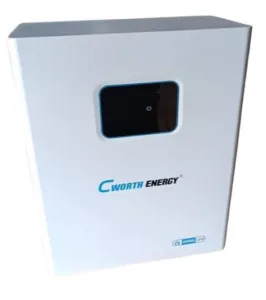
Key Features of Cworth 3kWh 24V Wall Mount
1. Lithium Iron Phosphate Technology
Cworth’s lithium energy-storage range includes LiFePO4 batteries.
Lithium iron phosphate is widely used in solar-energy storage because of its combination of durability, thermal stability and safety characteristics.
For Nigerian solar installations, LiFePO4 technology is particularly attractive for users who expect frequent charging and discharging.
2. Approximately 3kWh Energy Storage
A 3kWh battery represents approximately:
3,000Wh of nominal stored energy.
For example:
- 100W load = approximately 30 hours theoretically
- 200W load = approximately 15 hours theoretically
- 300W load = approximately 10 hours theoretically
- 500W load = approximately 6 hours theoretically
- 1,000W load = approximately 3 hours theoretically
These are simplified calculations.
Actual operating time will normally be lower because of inverter losses, battery-management limits, temperature, usable depth of discharge and appliance operating characteristics.
3. 24V Battery System
The 24V configuration makes the battery suitable for compatible 24V inverter and solar installations.
This is important because a 24V battery should not simply be connected to an inverter designed exclusively for a 12V or 48V battery bank.
Before buying, confirm:
Battery voltage = inverter battery voltage requirement.
4. Wall-Mount Design
The wall-mounted construction is one of the biggest advantages of this type of battery.
Instead of placing a large battery on the floor, the system can be installed on a suitable wall using the manufacturer’s approved mounting arrangement.
Benefits include:
- Saves floor space
- Cleaner installation
- Easier organization
- Suitable for homes
- Suitable for offices
- Suitable for shops
- Attractive modern appearance
- Keeps the installation organized
The wall must be strong enough to support the battery’s weight and the installation must follow the manufacturer’s mounting requirements.
5. Intelligent Battery Management System
A lithium battery should have a suitable Battery Management System.
The BMS monitors battery operation and helps protect the cells against abnormal operating conditions.
Depending on the specific Cworth model, BMS functions may include:
- Overcharge protection
- Over-discharge protection
- Over-current protection
- Short-circuit protection
- Temperature protection
- Cell balancing
- Battery-status monitoring
The exact BMS functions should always be verified from the particular model’s documentation.
6. Deep-Cycle Energy Storage
The battery is intended for repeated charging and discharging.
This makes it suitable for:
- Solar systems
- Inverter backup
- Off-grid systems
- Home energy storage
- Small commercial systems
- Office backup
- Shop backup
- Emergency power
7. Solar System Compatibility
Cworth lithium batteries can be used with compatible solar installations.
A typical system may be configured as:
Solar Panels → Hybrid Inverter/MPPT → Cworth Battery → Inverter Loads
The exact arrangement depends on the inverter and battery specifications.
8. Inverter Compatibility
A 24V Cworth battery is intended for an inverter system that supports the required 24V battery voltage.
The inverter should also be compatible with lithium battery charging requirements.
Before purchasing, provide the supplier with your inverter model.
9. Low-Maintenance Operation
Lithium batteries do not require the same routine electrolyte maintenance associated with traditional flooded lead-acid batteries.
This makes them convenient for modern residential and commercial solar installations.
10. Expandable Energy Storage
Some Cworth lithium battery models support parallel expansion.
This allows users to increase total battery capacity when their electricity demand grows, subject to the exact model’s specifications and approved configuration.
Do not connect batteries in parallel simply because they have the same voltage. Confirm compatibility, battery age, model, BMS communication and manufacturer’s permitted configuration.
Cworth 3kWh 24V Wall Mount Datasheet
Because Cworth has several battery families and Nigerian listings do not consistently identify an exact “3kWh/24V wall mount” model, the following is a buyer-reference specification, not a substitute for the manufacturer’s model-specific datasheet.
| Specification | Cworth 3kWh 24V Wall-Mount Class |
|---|---|
| Brand | Cworth Energy |
| Battery type | Rechargeable lithium energy-storage battery |
| Chemistry | LiFePO4 on relevant Cworth models |
| Energy capacity | Approximately 3kWh class |
| Nominal voltage | 24V class |
| Installation | Wall mount |
| Application | Solar and inverter energy storage |
| BMS | Intelligent BMS on relevant models |
| Charging | Compatible lithium battery charger/solar inverter |
| Communication | Model-dependent |
| Expansion | Model-dependent |
| Cycle life | Model-dependent |
| Maximum discharge | Model-dependent |
| Maximum charge | Model-dependent |
| Operating temperature | Model-dependent |
| Warranty | Model and supplier dependent |
| Maintenance | Low |
| Primary use | Backup and renewable-energy storage |
Important: Do not use a specification from a 2.5kWh Cworth model as the specification of an exact 3kWh model. Always confirm the model number printed on the battery.
Why the 24V Configuration Matters
Battery voltage is one of the most important specifications when building an inverter system.
A 24V system can carry the same power at approximately half the current of a 12V system.
For example, a simplified 1,000W load would require approximately:
1,000W ÷ 24V = 41.7A
At 12V:
1,000W ÷ 12V = 83.3A
This is one reason larger inverter systems commonly use higher battery voltages.
The actual current will vary because inverter efficiency and battery voltage under load must also be considered.
How Much Energy Does a 3kWh Battery Store?
A 3kWh battery contains approximately:
3,000Wh
This can be converted into different theoretical load examples.
100W Load
3,000Wh ÷ 100W = 30 hours
200W Load
3,000Wh ÷ 200W = 15 hours
300W Load
3,000Wh ÷ 300W = 10 hours
500W Load
3,000Wh ÷ 500W = 6 hours
1,000W Load
3,000Wh ÷ 1,000W = 3 hours
These calculations assume 100% energy utilization and no losses, which does not happen in normal operation.
Real-world runtime is normally lower.
How Long Will Cworth 3kWh 24V Battery Last?
Battery runtime depends on the power consumption of the appliances.
The basic calculation is:
Runtime = Usable Battery Energy ÷ Load
If a system consumes 500W and has 3,000Wh of nominal storage:
3,000Wh ÷ 500W = 6 hours
However, the practical runtime could be lower because of:
- Inverter efficiency
- Battery usable capacity
- Depth-of-discharge settings
- Temperature
- Cable losses
- Appliance power fluctuations
- Battery age
- BMS protection limits
Therefore, do not promise a fixed runtime without knowing the actual load.
What Can Cworth 3kWh 24V Wall Mount Power?
A properly installed 3kWh-class battery can support many essential electrical appliances.
Potential loads include:
- LED bulbs
- Television
- Decoder
- Fans
- Wi-Fi router
- Modem
- Laptop
- Phone chargers
- CCTV
- POS terminals
- Small office equipment
- Small refrigerator
- Networking equipment
- Security systems
- Small appliances
The total wattage must remain within the inverter’s output rating and the battery’s permitted discharge capability.
Can It Power a Refrigerator?
Yes, a properly designed 24V lithium battery system can power a compatible refrigerator through an appropriately sized inverter.
However, refrigerator compressors have starting surges.
Therefore, you should check:
- Running wattage
- Starting wattage
- Inverter surge rating
- Battery discharge rating
- Other appliances running simultaneously
A refrigerator that appears to consume 150W during normal operation may briefly demand considerably more when its compressor starts.
Can It Power a TV?
Yes.
Televisions are generally moderate electrical loads.
A 100W television operating continuously would theoretically consume:
100W × 10 hours = 1,000Wh
A 3,000Wh battery therefore has substantial nominal energy for such a load.
However, if fans, lights, routers, refrigerators and other appliances are operating at the same time, total energy consumption rises.
Can It Power Fans?
Yes.
Fans are among the more practical loads for a lithium inverter system.
For example, a 70W fan running for 10 hours consumes:
700Wh
Two 70W fans running for 10 hours consume:
1,400Wh
This leaves theoretical energy for other loads, although real-world calculations should include inverter losses and other system limitations.
Can It Power a Laptop?
Yes.
Laptops generally consume relatively little power compared with high-wattage appliances.
This makes lithium battery backup particularly useful for:
- Remote workers
- Students
- Freelancers
- Online businesses
- Software developers
- Customer-service operators
- Digital entrepreneurs
A 3kWh battery can provide considerable backup energy for low-power electronics when properly configured.
Cworth 3kWh 24V Wall Mount for Home Use
The Cworth 3kWh 24V wall-mount battery can be considered for homes that need backup electricity for essential loads.
A typical essential-load configuration could include:
Lights + Fans + TV + Router + Laptops + Phones + CCTV
A home with heavier loads such as air conditioners, electric cookers, pressing irons, water heaters and electric kettles may require a larger battery bank.
Battery capacity should be selected based on actual energy consumption.
Cworth 3kWh 24V Wall Mount for Office Use
Small offices can use a 3kWh-class battery to keep critical equipment operating during power interruptions.
Potential office loads include:
- Laptops
- Desktop computers
- Internet routers
- Modems
- CCTV
- LED lights
- Printers
- POS terminals
- Network switches
For offices with multiple desktop computers, printers, air conditioners and other high-power equipment, a larger energy-storage system may be necessary.
Cworth 3kWh 24V Wall Mount for Shops
Small Nigerian businesses can use lithium storage to maintain essential operations during power outages.
Potential applications include:
- POS terminals
- Mobile-phone charging
- Lighting
- Fans
- CCTV
- Routers
- Small refrigerators
- Small electronics
For businesses selling frozen foods or operating refrigeration equipment continuously, a detailed energy audit is recommended.
Cworth 3kWh 24V Wall Mount for Solar Energy
A 24V lithium battery can be incorporated into a solar energy system using a compatible hybrid inverter or solar charge controller.
During daylight hours:
Solar panels generate electricity → inverter/MPPT processes energy → battery charges.
When solar production falls:
Battery → inverter → appliances
This arrangement allows stored solar energy to be used at night or during periods of insufficient sunlight.
How Many Solar Panels Do I Need?
There is no universal solar-panel size for a 3kWh battery.
The required solar capacity depends on:
- Desired charging time
- Daily energy consumption
- Available sunlight
- Solar-panel efficiency
- MPPT efficiency
- Weather
- Battery state of charge
- Inverter charging capacity
For example, a 1,000W solar array producing an average equivalent of four full-sun hours could theoretically generate around:
1,000W × 4 hours = 4,000Wh
Actual energy harvested will vary.
Therefore, solar-panel sizing should be performed using the local solar resource, expected loads and battery charging requirements.
How Long Does a 3kWh Lithium Battery Take to Charge?
Charging time depends on the charging power.
A simplified calculation is:
Charging Time = Battery Energy ÷ Charging Power
If a 3,000Wh battery receives approximately 1,000W of effective charging power:
3,000Wh ÷ 1,000W = 3 hours
In practice, charging can take longer because:
- Charging is not 100% efficient.
- Charging current can reduce near full charge.
- Solar output changes throughout the day.
- The inverter may limit charging current.
- Battery temperature can affect charging.
- The BMS can regulate charging.
Can the Cworth Battery Charge From Grid Electricity?
Yes, when connected to a compatible hybrid inverter or approved lithium battery charger.
The AC/grid charging function depends on the inverter and charging equipment.
Users should configure the charger according to the battery manufacturer’s recommended voltage and current.
Never use an incompatible charger simply because the connector fits.
Can the Cworth Battery Charge From Solar?
Yes, provided the solar charge controller or hybrid inverter supports the battery’s voltage, chemistry and charging parameters.
The solar system must be correctly designed.
Important parameters include:
- Battery voltage
- Maximum charging current
- Charging voltage
- Solar input voltage
- MPPT operating range
- Maximum PV wattage
- Battery BMS requirements
Cworth 3kWh 24V Wall Mount Compatibility
Compatibility should be checked before purchase.
The following should match:
Battery Voltage
The battery should match the inverter’s battery-voltage requirement.
Battery Chemistry
The inverter should have appropriate lithium charging settings.
Charging Voltage
The charger should operate within the manufacturer’s specified charging range.
Charging Current
The inverter/charger should not exceed the permitted charging current.
Discharge Current
The battery should be able to supply the required load.
Communication
If the battery uses CAN, RS485 or another communication interface, confirm that the inverter supports the required protocol where communication is needed.
Which Inverter Is Compatible With a 24V Cworth Lithium Battery?
A compatible inverter should be designed for a 24V battery bank.
Examples include:
- 24V hybrid solar inverters
- 24V pure sine-wave inverters
- 24V off-grid inverters
- 24V backup inverters
- Compatible UPS systems
The inverter’s wattage should be selected according to the total appliance load.
A 3kWh battery does not automatically mean the inverter should be 3kW.
kWh = stored energy.
kW = power output.
These are different measurements.
3kWh vs 3kW: What Is the Difference?
This is one of the most common mistakes made by new solar buyers.
3kWh
Means approximately 3,000Wh of stored energy.
3kW
Means approximately 3,000W of power at a given moment.
A battery could have 3kWh of storage while being connected to an inverter capable of 2kW, 3kW or another output rating, depending on the system design.
Therefore:
Do not confuse battery capacity with inverter power.
Cworth 3kWh 24V Wall Mount Benefits
Space Saving
The wall-mounted design can reduce the floor area occupied by the energy-storage system.
Clean Installation
Wall installation can provide a more organized appearance.
Lithium Technology
LiFePO4 technology provides a modern alternative to conventional lead-acid batteries.
Solar Integration
The battery can be used to store solar energy in compatible systems.
Backup Power
Stored electricity can be used during grid outages.
Low Maintenance
Lithium batteries generally require less routine maintenance than flooded lead-acid batteries.
Deep-Cycle Operation
The battery is designed for repeated charge and discharge cycles.
Scalable Storage
Compatible Cworth models may support additional batteries where expansion is permitted.
Intelligent Protection
An integrated BMS can provide important battery protection functions.
Suitable for Modern Homes
The compact wall-mount concept works well with modern solar and backup-power installations.
Cworth 3kWh 24V Wall Mount vs Lead-Acid Battery
| Feature | Cworth Lithium | Lead-Acid |
|---|---|---|
| Technology | Lithium | Lead-acid |
| Maintenance | Low | Higher for flooded types |
| Energy density | Higher | Lower |
| Weight | Generally lower | Generally higher |
| Deep cycling | Well suited | More restrictive |
| Charging efficiency | Generally higher | Generally lower |
| Cycle life | Generally higher | Generally lower |
| Installation | Compact | Often bulkier |
| Initial price | Higher | Usually lower |
| Solar use | Excellent | Common |
| Long-term use | Strong option | Depends on application |
The higher purchase price of lithium technology should be evaluated against expected service life, usable energy and operating requirements.
Cworth 3kWh 24V Wall Mount vs 12V Lithium Battery
A 24V system has an important electrical advantage over a 12V system.
At the same power level, the 24V system requires approximately half the current.
For example, at 1,000W:
12V: approximately 83A
24V: approximately 42A
This can make 24V architecture attractive for larger loads because lower current can simplify cable and protection requirements.
Actual installation still requires correct cable sizing.
Cworth 3kWh 24V Wall Mount vs 48V Battery
A 48V system carries even less current for the same power than a 24V system.
This is one reason larger solar systems frequently use 48V battery banks.
A 24V system can nevertheless be a good choice for moderate power requirements where the inverter and battery are designed around that voltage.
Choose the voltage based on:
- Inverter requirements
- Load size
- Battery availability
- Expansion requirements
- Solar-system design
- Installation cost
Cworth 3kWh 24V Wall Mount vs Cworth 2.5kWh 24V
This is an important comparison because Nigerian listings currently show Cworth 24V batteries around 2.5–2.56kWh.
| Feature | 3kWh Class | 2.5–2.56kWh Class |
|---|---|---|
| Nominal energy | About 3,000Wh | About 2,500–2,560Wh |
| Voltage | 24V class | 24V |
| Energy difference | Higher | Lower |
| Backup duration | Longer for same load | Shorter for same load |
| Price | Usually higher | Often lower |
| Application | Larger backup needs | Moderate backup needs |
A buyer should verify whether a seller’s “3kWh” product is actually 3,000Wh or whether the seller is rounding a 2.5–2.56kWh battery upward.
Cworth 3kWh 24V Wall Mount Installation
Professional installation is recommended.
A typical system may contain:
Solar Panels → Hybrid Inverter → Cworth Battery → AC Loads
The battery should have suitable:
- DC cables
- Fuse or breaker
- Isolator where required
- Proper terminals
- Grounding/earthing according to system requirements
- Wall brackets
- Ventilation/clearance
- Protection against accidental damage
The installation location should be dry and suitable for the battery’s specified operating environment.
Wall Mount Installation Requirements
Before installing the battery on a wall, check:
- Wall strength
- Mounting bracket capacity
- Battery weight
- Anchor/fastener suitability
- Clearance requirements
- Cable routing
- Accessibility
- Temperature
- Moisture exposure
- Ventilation
- Maintenance access
Do not mount a heavy battery on a weak partition wall simply because there appears to be enough space.
Cworth 3kWh 24V Wall Mount Safety
Lithium batteries are energy-dense electrical devices and should be installed correctly.
Safety practices include:
- Use the correct charger.
- Use the correct inverter voltage.
- Use correctly sized cables.
- Install appropriate DC protection.
- Follow the battery manufacturer’s installation instructions.
- Keep the battery dry.
- Avoid short circuits.
- Do not dismantle the battery unnecessarily.
- Do not connect incompatible batteries.
- Do not exceed rated current.
- Avoid extreme temperatures.
- Use qualified installation personnel.
How to Buy Original Cworth Battery in Nigeria
Buyers should inspect the following before purchasing:
1. Model Number
Request the exact model number.
2. Voltage
Confirm that it is actually a 24V-class battery.
3. Capacity
Confirm the actual Wh/kWh rating.
4. Battery Chemistry
Check whether it is LiFePO4.
5. BMS
Confirm the BMS specifications.
6. Communication
If CAN or RS485 communication is advertised, ask what inverter protocols are supported.
7. Warranty
Ask for the warranty duration and conditions.
8. Packaging
Inspect the packaging and product label.
9. Documentation
Request technical specifications or a product datasheet.
10. Seller
Buy from an established solar battery supplier.
How to Avoid Buying the Wrong Cworth Battery
A common problem is buying a battery based solely on a photograph or product title.
For example, two batteries can both be described as:
“Cworth 24V lithium battery.”
But one could be:
- 2.5kWh
- 2.56kWh
- 3kWh
- 5kWh
- 7.5kWh
They may also have different dimensions, BMS ratings, communication interfaces and maximum currents.
Always compare the technical specification.
Cworth Battery Model Number
The model number is important because Cworth has multiple product series.
A supplier should be able to tell you:
- Series
- Model
- Nominal voltage
- Capacity
- Cell chemistry
- BMS
- Dimensions
- Weight
- Communication
- Maximum current
- Warranty
This information allows you to compare products accurately.
Cworth 3kWh 24V Wall Mount for Nigerian Solar Installations
Nigeria has a strong demand for solar backup solutions because households and businesses often need alternative sources of electricity.
A wall-mounted lithium battery can provide stored energy without occupying the same amount of floor space as some conventional battery arrangements.
It can be suitable for:
- Lagos homes
- Abuja homes
- Port Harcourt businesses
- Ibadan offices
- Enugu shops
- Onitsha businesses
- Benin City residences
- Kano businesses
- Kaduna offices
- Other Nigerian locations
The battery should always be selected based on actual electricity consumption.
Cworth 3kWh 24V Wall Mount for Lagos
Customers in Lagos searching for a Cworth wall-mounted lithium battery can visit the supplier’s shop at:
F1571 Upstairs (F-Line), Alaba International Market, Lagos State 🇳🇬
Customers can call:
07049528019
Or WhatsApp:
09040054359
The supplier can confirm current product availability, exact model, price, delivery and compatibility before purchase.
Cworth 3kWh 24V Wall Mount for Other States
Customers outside Lagos can also order lithium battery products for shipment to other Nigerian states.
Delivery information:
Same Day Delivery in Lagos.
Same Day Shipping to Other States.
Shipping time and cost may depend on destination, product availability and logistics conditions.
Cworth 3kWh 24V Wall Mount for Small Businesses
Small businesses increasingly require uninterrupted electricity for:
- Internet
- POS terminals
- Computers
- Lighting
- Fans
- CCTV
- Phone charging
- Small refrigeration
- Networking equipment
A properly sized lithium battery system can help maintain these essential operations during grid interruptions.
Cworth 3kWh 24V Wall Mount for Remote Work
Remote workers can use battery-backed solar systems to protect their work schedule from power interruptions.
A 3kWh-class battery can support:
- Laptop
- Monitor
- Router
- Phone
- Desk lighting
- Fan
Actual runtime depends on the combined load.
For someone working from home for eight hours, energy consumption should be calculated before selecting the battery.
Cworth 3kWh 24V Wall Mount for CCTV
CCTV systems are excellent candidates for battery backup because they require continuous electricity.
A properly sized battery can keep:
- CCTV cameras
- DVR/NVR
- Network switch
- Router
- Security lighting
operating during outages.
The exact battery size depends on the total CCTV system consumption and required backup duration.
Cworth 3kWh 24V Wall Mount for Internet Backup
Internet routers and networking devices generally consume relatively little power.
A lithium battery system can therefore provide long backup times for:
- Fibre router
- ONT
- Wi-Fi router
- Modem
- Network switch
- Small access points
This makes a 3kWh-class battery potentially useful for home offices and businesses that depend heavily on internet connectivity.
Battery Capacity Calculation
To calculate the battery capacity required, use:
Required Battery Energy = Load × Operating Time
For example:
If the total load is 400W and you need 8 hours:
400W × 8 hours = 3,200Wh
That means a nominal 3kWh battery may be slightly undersized after accounting for losses.
A larger battery or reduced load would be appropriate.
Why You Should Not Use 100% of the Nominal Battery Energy in Planning
Although a battery might be advertised as 3,000Wh, users should not automatically plan around extracting exactly 3,000Wh every cycle.
Practical system design considers:
- Recommended depth of discharge
- Inverter efficiency
- Battery reserve
- Temperature
- Aging
- BMS limits
Therefore, a system designer may deliberately size the battery larger than the theoretical daily requirement.
Cworth 3kWh Battery Cycle Life
Cycle life varies by model and operating conditions.
Cworth’s current product information highlights long-cycle LiFePO4 storage products, while particular Cworth models have different cycle specifications.
Cycle life is affected by:
- Depth of discharge
- Charging current
- Discharging current
- Temperature
- Cell quality
- Battery management
- Storage conditions
Therefore, always use the cycle rating specified for the exact model being purchased.
Does Temperature Affect Lithium Battery Life?
Yes.
Battery performance and lifespan can be influenced by temperature.
Extremely high temperatures can accelerate battery degradation, while very low temperatures can affect charging performance.
For a Nigerian installation, avoid placing the battery in:
- Direct intense sunlight
- Extremely hot enclosed spaces
- Areas exposed to water
- Poorly ventilated areas
- Locations with excessive heat
Follow the manufacturer’s permitted operating-temperature range.
Cworth 3kWh 24V Wall Mount Maintenance
Lithium batteries generally require less routine maintenance than traditional flooded lead-acid batteries.
Nevertheless:
- Inspect cables periodically.
- Check terminals.
- Check for unusual alarms.
- Monitor battery temperature.
- Keep the battery clean.
- Keep the surrounding area dry.
- Check inverter settings.
- Do not overload the inverter.
- Follow recommended charging parameters.
- Keep warranty documents.
Cworth 3kWh 24V Wall Mount Advantages
The major advantages include:
- Wall-mounted space-saving design
- Lithium energy-storage technology
- 24V system configuration
- Solar compatibility on suitable systems
- Inverter backup capability
- Low maintenance
- Deep-cycle operation
- Integrated battery management on applicable models
- Potential expansion
- Clean modern installation
- Good option for essential-load backup
- Suitable for homes and small businesses
- No petrol or diesel required during battery operation
- Silent operation
- Useful for solar energy storage
Disadvantages and Limitations
A balanced buying guide should also explain the limitations.
Higher Initial Cost
Lithium batteries generally cost more upfront than many lead-acid alternatives.
Requires Correct Compatibility
A 24V lithium battery cannot simply be connected to every inverter.
Installation Matters
Incorrect wiring can damage equipment.
Capacity Is Limited
A 3kWh battery cannot provide unlimited energy.
High-Power Appliances Drain It Quickly
Air conditioners, electric cookers, heaters, irons and kettles can consume significant energy.
Exact Model Matters
Cworth has different battery capacities and configurations.
Price Changes
Imported solar products can experience price fluctuations in Nigeria.
Cworth 3kWh 24V Wall Mount Price Comparison
When comparing prices, consider the following:
| Buying factor | Why it matters |
|---|---|
| Capacity | Determines stored energy |
| Voltage | Determines inverter compatibility |
| Chemistry | Determines battery characteristics |
| BMS | Provides battery protection |
| Cycle life | Helps estimate service life |
| Warranty | Provides buyer protection |
| Communication | Enables inverter/BMS integration |
| Installation type | Determines space requirements |
| Seller | Affects support and authenticity |
| Current stock | Affects actual price |
Do not compare a 2.5kWh battery with a genuine 3kWh battery as if they were identical.
Cworth 3kWh 24V Wall Mount vs Generator
| Feature | Lithium Battery | Petrol Generator |
|---|---|---|
| Noise | Very low | High |
| Fuel | No fuel during discharge | Petrol/diesel required |
| Exhaust | None during battery operation | Yes |
| Solar charging | Yes | No direct solar storage |
| Maintenance | Low | Regular servicing |
| Automatic backup | Possible with inverter | Requires suitable automatic system |
| Energy storage | Yes | No |
| Long-term running cost | Depends on charging source | Fuel-dependent |
For users who want quiet backup electricity, lithium storage offers a major advantage.
Cworth 3kWh 24V Wall Mount Buying Checklist
Before paying, confirm:
☑ Exact Cworth model
☑ Battery voltage
☑ Battery capacity
☑ LiFePO4 chemistry
☑ BMS specification
☑ Maximum charge current
☑ Maximum discharge current
☑ Communication protocol
☑ Inverter compatibility
☑ Cycle rating
☑ Warranty
☑ Physical dimensions
☑ Battery weight
☑ Wall-mount hardware
☑ Current price
☑ Availability
☑ Delivery arrangement
☑ Installation requirements
Questions to Ask the Seller
A serious buyer can ask:
What is the exact Cworth model number?
Is the battery exactly 3kWh or 2.5/2.56kWh?
Is it 24V?
Is it LiFePO4?
What is the Ah rating?
What is the maximum continuous discharge current?
What is the maximum charging current?
Does it support CAN or RS485?
What inverter brands are compatible?
How many batteries can be connected in parallel?
What is the warranty?
Is the product currently in stock?
What is today’s price in naira?
These questions can prevent expensive mistakes.
Where to Buy Cworth 3kWh 24V Wall Mount in Nigeria
For buyers searching for a genuine Cworth lithium battery supplier in Nigeria, contact:
Nature Solar Global Enterprises
Subsidiary of: Nature Links Global Limited
Distributor, Supplier & Authorized Dealer: Nature Solar Global Enterprises
CEO: Mr. Joseph Chikeleze
Call: 07049528019
WhatsApp: 09040054359
Shop Address:
F1571 Upstairs (F-Line),
Alaba International Market,
Lagos State 🇳🇬
Delivery:
Same Day Delivery in Lagos.
Same Day Shipping to Other States.
Before purchasing, send your inverter model to the supplier so the battery voltage and compatibility can be checked.
Why Buy Cworth Lithium Battery From a Specialist Supplier?
A specialist solar supplier can help you determine whether the battery is suitable for your existing system.
This is important because battery purchases involve more than capacity.
You need to know:
- Battery voltage
- Inverter voltage
- Charging voltage
- Maximum charging current
- Maximum discharge current
- BMS communication
- Cable requirements
- Protection requirements
- Battery expansion limits
A supplier that understands the complete solar system can help prevent compatibility problems.
Cworth 3kWh 24V Wall Mount for Solar Backup
Solar backup systems are becoming increasingly popular for homes and businesses that need reliable electricity.
A battery can store energy during periods when solar production is available.
At night or during grid outages, the stored electricity can be used to power selected appliances.
The system can therefore operate as:
Solar + Battery + Inverter
or:
Grid + Solar + Battery + Inverter
depending on the hybrid inverter configuration.
Cworth Battery and Generator Combination
A lithium battery does not necessarily have to completely replace a generator.
Some users operate:
Solar + Battery + Generator
The solar system supplies energy when available.
The battery provides quiet backup.
The generator can serve as an additional source during extended periods of poor solar production or unusually high energy demand.
A properly programmed hybrid inverter can manage multiple energy sources where supported.
Is Cworth 3kWh 24V Wall Mount Worth the Money?
For users who need a modern energy-storage solution and have a compatible 24V inverter system, a Cworth lithium battery can be a strong option.
It becomes particularly attractive for users who:
- Experience frequent outages
- Want to reduce generator usage
- Already have solar panels
- Work from home
- Operate a small business
- Need quiet backup
- Want a space-saving battery
- Want low-maintenance energy storage
However, the correct model must be selected.
If the seller’s product is actually 2.5kWh or 2.56kWh rather than 3kWh, the buyer should know this before payment.
Frequently Asked Questions
1. How much is Cworth 3kWh 24V Wall Mount in Nigeria?
The exact price depends on the model and current stock. Nigerian listings for closely related Cworth 24V wall-mounted batteries around 2.5–2.56kWh currently show prices from roughly ₦500,000 to over ₦700,000. A seller should confirm the exact price of the specific 3kWh model before payment.
2. Is Cworth a lithium battery brand?
Yes. Cworth Energy manufactures lithium energy-storage products, including LiFePO4 batteries.
3. Is Cworth 24V battery suitable for solar?
Yes, where the battery is correctly matched with a compatible solar inverter or charge controller.
4. Is the Cworth wall-mount battery rechargeable?
Yes. It is designed as a rechargeable energy-storage battery.
5. What does 3kWh mean?
3kWh means approximately 3,000Wh of nominal stored energy.
6. What does 24V mean?
24V describes the nominal battery-system voltage.
7. Can I use a Cworth 24V battery with a 48V inverter?
Not directly unless the battery system is configured according to the inverter manufacturer’s requirements. A single 24V battery should not be connected to an inverter that requires a 48V battery bank.
8. Can I use a Cworth 24V battery with a 12V inverter?
No, not as a direct single-battery connection. The inverter and battery voltage must be compatible.
9. Can Cworth lithium battery power a refrigerator?
Yes, if the inverter has adequate continuous and surge power and the battery can provide the required current.
10. Can it power a TV?
Yes. A TV is generally a suitable load for a lithium inverter system.
11. Can it power fans?
Yes. Fans are generally low-to-moderate loads and can be powered by a properly sized inverter.
12. Can it power a laptop?
Yes. Laptops consume relatively little power compared with many household appliances.
13. Can it run an air conditioner?
It depends on the air-conditioner’s power consumption, compressor-starting surge, inverter capacity and battery discharge capability. A 3kWh battery may drain quickly under a high air-conditioning load.
14. Does the Cworth battery have a BMS?
Cworth lithium batteries include intelligent BMS technology on relevant models. The exact BMS specification should be confirmed for the particular model.
15. Can multiple Cworth batteries be connected together?
Some Cworth models support parallel expansion. The exact number and connection method must be confirmed from the model’s documentation.
16. Is a wall-mounted battery better than a floor battery?
Not necessarily better in every situation. Wall mounting primarily provides space-saving and installation advantages.
17. Is Cworth 3kWh the same as Cworth 2.56kWh?
No. 3kWh represents approximately 3,000Wh, while 2.56kWh represents approximately 2,560Wh.
18. Why do sellers use different Cworth battery capacities?
Cworth has multiple battery models and product families. Some sellers may also use rounded capacity descriptions in product titles.
19. What inverter should I use?
Use an inverter designed for the battery’s 24V system and capable of handling your intended load.
20. Where can I buy Cworth lithium battery in Nigeria?
Contact Nature Solar Global Enterprises on 07049528019 or WhatsApp 09040054359, or visit F1571 Upstairs (F-Line), Alaba International Market, Lagos State.
10 Related Products
Cworth 2.5kWh 24V Lithium Battery Price in Nigeria, Cworth 2.56kWh 24V Lithium Battery Price in Nigeria, Cworth 2.4kWh 24V Lithium Battery Price in Nigeria, Cworth 3.8kWh Lithium Battery Price in Nigeria, Cworth 5kWh 24V Lithium Battery Price in Nigeria, Cworth 7.5kWh 24V Lithium Battery Price in Nigeria, Cworth 10kWh 24V Lithium Battery Price in Nigeria, Cworth 12V Lithium Battery Price in Nigeria, Cworth 48V Lithium Battery Price in Nigeria, Cworth Hybrid Solar Inverter Price in Nigeria
Tags
Cworth 3kwh 24v Wall Mount price in Nigeria, Cworth 3kWh 24V lithium battery Nigeria, Cworth 3kWh battery price Nigeria, Cworth 24V wall mount battery price Nigeria, Cworth lithium battery price in Nigeria, Cworth 24V lithium battery Nigeria, Cworth wall mount lithium battery Nigeria, Cworth LiFePO4 battery price Nigeria, Cworth 3kWh solar battery Nigeria, Cworth Energy battery Nigeria, Cworth inverter battery price Nigeria, Cworth 24V solar battery Nigeria, buy Cworth lithium battery Nigeria, original Cworth lithium battery Nigeria, genuine Cworth battery dealer Nigeria, Cworth lithium battery supplier Lagos, Cworth battery distributor Nigeria, Cworth battery Alaba International Market, Cworth 24V 100Ah lithium battery Nigeria, best Cworth lithium battery price in Nigeria
Buyer-Intent Search Keywords
This article is optimized around Nigerian commercial and informational searches including:
Cworth 3kWh 24V Wall Mount price in Nigeria
Cworth 3kWh 24V battery price
Cworth lithium battery Nigeria
Cworth 24V lithium battery price
Cworth wall mount battery Nigeria
Cworth LiFePO4 battery Nigeria
Cworth 24V solar battery
Cworth 3kWh solar battery
Cworth inverter battery Nigeria
Cworth battery price in Lagos
Cworth lithium battery dealer
Cworth lithium battery supplier
Cworth lithium battery distributor
original Cworth lithium battery
genuine Cworth battery Nigeria
Cworth battery Alaba International Market
Cworth 24V 100Ah battery
Cworth 2.5kWh 24V battery
Cworth 2.56kWh battery
Cworth wall-mounted lithium battery
Final Buying Recommendation
The Cworth 3kwh 24v Wall Mount price is Nigeria search represents strong buyer intent because customers searching this phrase are generally looking for a specific lithium battery for solar, inverter or backup-power applications. However, buyers should verify the exact capacity before purchase because Cworth has several 24V lithium products and Nigerian listings may describe closely related 2.5–2.56kWh products differently. A genuine 3kWh battery should be distinguished from a 2.5kWh or 2.56kWh battery by checking the model number, nominal voltage, Ah rating and manufacturer documentation. The battery should also be matched with a compatible 24V inverter, correct charging parameters and appropriate protection equipment. For current availability, pricing and product confirmation in Nigeria, contact Nature Solar Global Enterprises (subsidiary of Nature Links Global Limited), CEO Mr. Joseph Chikeleze, on 07049528019, WhatsApp 09040054359, or visit F1571 Upstairs (F-Line), Alaba International Market, Lagos State 🇳🇬. Same-day delivery is available in Lagos, with same-day shipping to other Nigerian states.
Related products
-
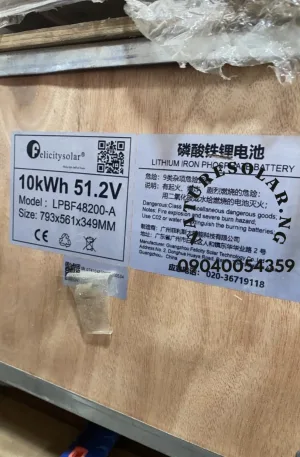
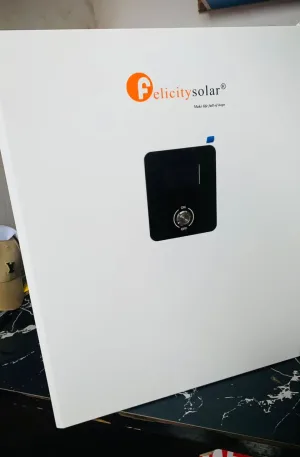
10kwh 48v Felicity Lithium-ion Battery
₦1,600,000.00 Add to cart -
 Sale!
12V 220AH Afripower Tall Tubular Battery
Original price was: ₦420,000.00.₦390,000.00Current price is: ₦390,000.00. Add to cart -
 Sale!
12v 220ah Interlight Tubular Battery Price in Nigeria
Original price was: ₦230,000.00.₦205,000.00Current price is: ₦205,000.00. Add to cart -
 Sale!
12v 220ah Luminous Tall Tubular Battery
Original price was: ₦350,000.00.₦330,000.00Current price is: ₦330,000.00. Add to cart -
 Sale!
12V 220AH Opatek Tubular Battery
Original price was: ₦250,000.00.₦230,000.00Current price is: ₦230,000.00. Add to cart -
 Sale!

12V 220Ah Power Plus Battery
Original price was: ₦370,000.00.₦350,000.00Current price is: ₦350,000.00. Add to cart -
 Sale!
12V 220AH Saisho Solar Tubular Battery
Original price was: ₦270,000.00.₦260,000.00Current price is: ₦260,000.00. Add to cart -
 Sale!
12V 220AH Starplus Tubular Battery
Original price was: ₦300,000.00.₦285,000.00Current price is: ₦285,000.00. Add to cart -
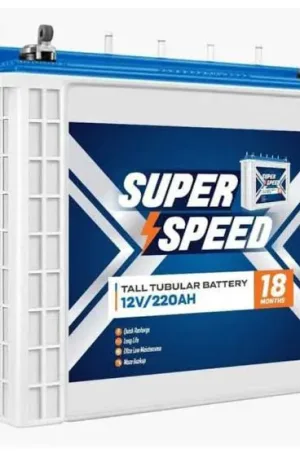 Sale!

12V 220AH Super Speed Tubular Battery
Original price was: ₦250,000.00.₦230,000.00Current price is: ₦230,000.00. Add to cart -
 Sale!
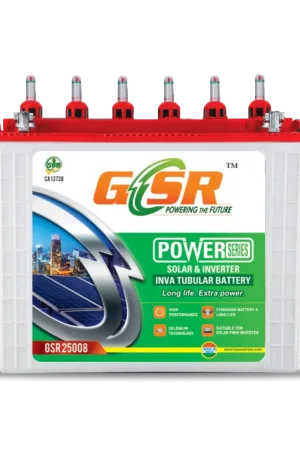
12V 240Ah GSR Tubular Battery
Original price was: ₦520,000.00.₦470,000.00Current price is: ₦470,000.00. Add to cart -
 Sale!
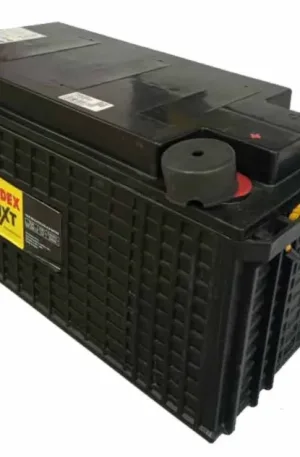
12v/200AH Index NXT Battery
Original price was: ₦490,000.00.₦450,000.00Current price is: ₦450,000.00. Add to cart -
 Sale!
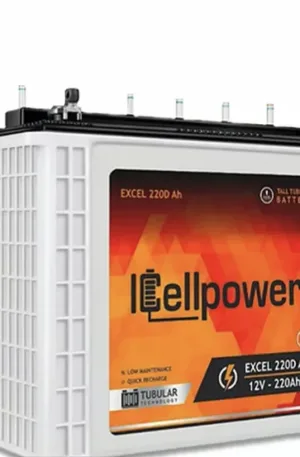
12V/220Ah Icell Tubular Solar Battery
Original price was: ₦350,000.00.₦290,000.00Current price is: ₦290,000.00. Add to cart -
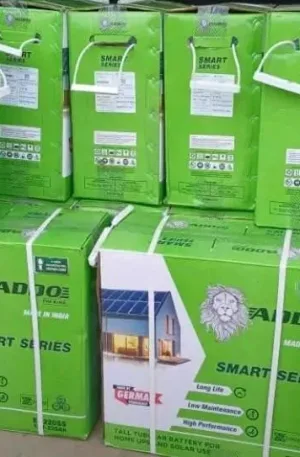 Sale!
220Ah ADDO Tubular Battery
Original price was: ₦400,000.00.₦380,000.00Current price is: ₦380,000.00. Add to cart -
 Sale!
220Ah CAESAR Tubular Battery
Original price was: ₦350,000.00.₦320,000.00Current price is: ₦320,000.00. Add to cart -
 Sale!
220Ah Guaranty Tubular Solar Battery
Original price was: ₦400,000.00.₦380,000.00Current price is: ₦380,000.00. Add to cart -
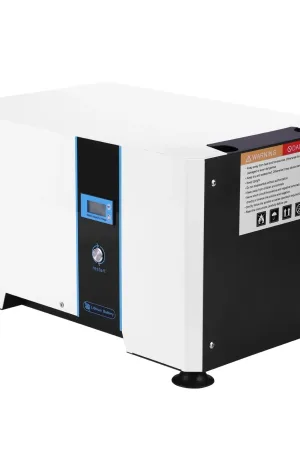 Sale!
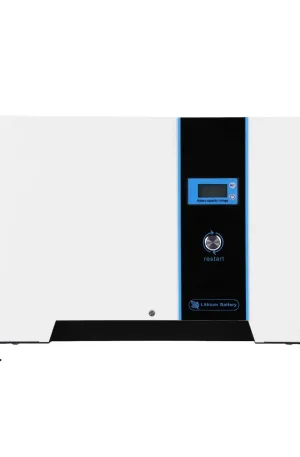
24V 5KWH Cworth Lithium Battery
Original price was: ₦1,650,000.00.₦1,600,000.00Current price is: ₦1,600,000.00. Add to cart -
Sale!

All Solar Battery 200ah Price in Nigeria
Original price was: ₦300,000.00.₦250,000.00Current price is: ₦250,000.00. Add to cart -
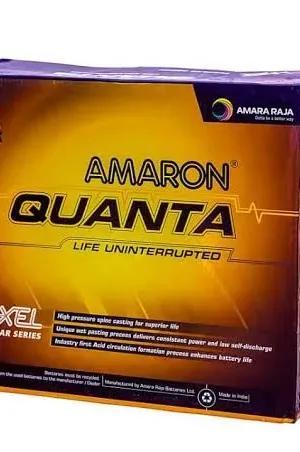 Sale!
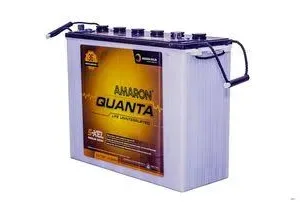
AMARON QUANTA TUBULAR BATTERY 12V/200AH
Original price was: ₦300,000.00.₦270,000.00Current price is: ₦270,000.00. Add to cart -
 Sale!
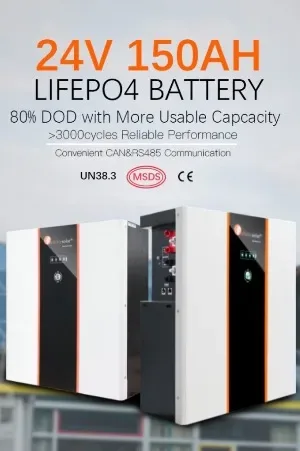
Felicity 24V 3.5KWH Lithium Solar Battery
Original price was: ₦900,000.00.₦850,000.00Current price is: ₦850,000.00. Add to cart -
 Sale!

Felicity 24V 5KWH Lithium Solar Battery
Original price was: ₦1,100,000.00.₦970,000.00Current price is: ₦970,000.00. Add to cart -
 Sale!
Felicity 48V 5KWH Lithium Battery
Original price was: ₦1,780,000.00.₦1,680,000.00Current price is: ₦1,680,000.00. Add to cart -
 Sale!
Felicity 48V 7.2KWH Lithium Solar Battery
Original price was: ₦2,500,000.00.₦2,100,000.00Current price is: ₦2,100,000.00. Add to cart -
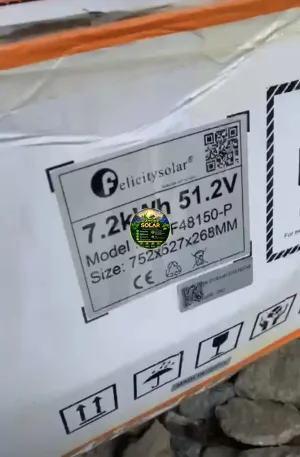 Sale!

Felicity 48V 7.2KWH Lithium Solar Battery
Original price was: ₦1,350,000.00.₦1,150,000.00Current price is: ₦1,150,000.00. Add to cart -
 Sale!
Felicity 48V-H 10KWH Lithium Solar Battery
Original price was: ₦2,700,000.00.₦2,650,000.00Current price is: ₦2,650,000.00. Add to cart -
Sale!

Haustrom 150ah Tubular Battery
Original price was: ₦300,000.00.₦280,000.00Current price is: ₦280,000.00. Add to cart -
 Sale!

Luminous 220AH/12V Wet Cell Tall Tubular Battery
Original price was: ₦300,000.00.₦250,000.00Current price is: ₦250,000.00. Add to cart -
 Sale!
Odipie 12v 200ah Durable Lithium Ion LiFePO4 Battery
Original price was: ₦650,000.00.₦550,000.00Current price is: ₦550,000.00. Add to cart -
 Sale!
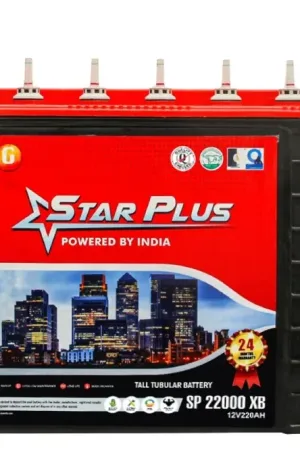
Star Plus 220Ah Solar Battery
Original price was: ₦270,000.00.₦250,000.00Current price is: ₦250,000.00. Add to cart -
Sale!
Star Plus Battery
Original price was: ₦270,000.00.₦250,000.00Current price is: ₦250,000.00. Add to cart -
 Sale!
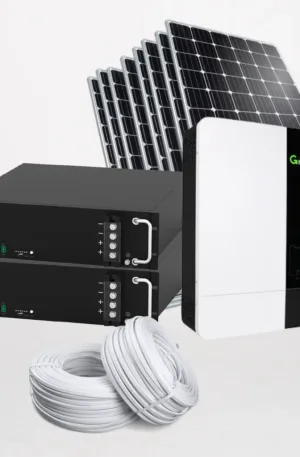
Sygnite Max (With Lithium Battery & Solar)
Original price was: ₦10,000,000.00.₦9,500,000.00Current price is: ₦9,500,000.00. Add to cart
Reviews
There are no reviews yet.