
Solar Generator Price in Nigeria
Solar Generator Price in Nigeria
The Solar Generator Price in Nigeria is one of the most searched topics by homeowners, businesses, schools, churches, hospitals, and organizations looking for reliable alternatives to petrol and diesel generators. With the increasing cost of fuel, unstable electricity supply, and the growing adoption of renewable energy across Nigeria, solar generators have become one of the most practical investments for uninterrupted power supply.
Unlike conventional generators that require petrol or diesel, a solar generator produces clean, silent, and environmentally friendly electricity by storing energy inside rechargeable lithium batteries. Most modern solar generators also feature built-in pure sine wave inverters, MPPT solar charge controllers, AC outlets, USB ports, DC outputs, and intelligent battery management systems. They are capable of powering televisions, fans, laptops, lighting systems, routers, CCTV cameras, POS machines, desktop computers, refrigerators, medical equipment, and many other household or commercial appliances depending on their capacity.
The Solar Generator Price in Nigeria depends on several important factors including battery capacity, inverter rating, battery chemistry, charging speed, supported solar input, output wattage, warranty, and brand reputation. Entry-level portable models suitable for charging phones and powering LED lights are relatively affordable, while larger systems designed for homes and offices cost considerably more because of their higher battery capacity and inverter output.
As solar technology continues to improve, lithium-powered solar generators now last significantly longer than older lead-acid systems while requiring little or no maintenance. They are also portable, silent during operation, and produce zero emissions, making them suitable for indoor use unlike petrol generators.
For Nigerians looking for genuine solar generators backed by warranty and professional support, Nature Solar Global Enterprises is the Sole Importer & Distributor of the featured products. The company is located at:
Nature Solar Global Enterprises
F1571 Up, Alaba International Market, Ojo, Lagos, Nigeria
Call: 07049528019
WhatsApp: 09040054359
The company supplies customers across Lagos, Abuja, Port Harcourt, Kano, Kaduna, Ibadan, Enugu, Benin City, Aba, Owerri, Jos, Uyo, Calabar, Asaba, Warri, Akure, Sokoto, Maiduguri, Onitsha, and every other state in Nigeria through nationwide delivery services.
What is a Solar Generator?
A solar generator is an all-in-one portable or stationary backup electricity system that stores energy inside rechargeable batteries and converts it into usable AC electricity through an inverter.
Unlike fuel generators, a solar generator produces electricity without:
- Petrol
- Diesel
- Engine oil
- Smoke
- Carbon emissions
- Loud engine noise
A modern solar generator usually consists of:
- Lithium battery pack
- Pure sine wave inverter
- MPPT solar charge controller
- AC charging system
- Solar charging input
- USB ports
- DC output ports
- AC sockets
- LCD or LED display
- Battery Management System (BMS)
Everything is integrated into one compact unit, making installation easier than conventional inverter systems.
How Does a Solar Generator Work?
The operation of a solar generator is straightforward.
Step 1 – Solar Panel Collects Sunlight
Solar panels convert sunlight into direct current (DC) electricity.
Step 2 – Charge Controller Regulates Charging
An MPPT charge controller manages the charging process to maximize efficiency while protecting the battery.
Step 3 – Battery Stores Energy
The generated electricity is stored inside a lithium battery.
Step 4 – Inverter Converts Power
When appliances are connected, the inverter converts the stored DC power into AC electricity suitable for household devices.
This process happens silently without combustion or fuel consumption.
Why Solar Generators Are Becoming Popular in Nigeria
The demand for solar generators has increased significantly over the past few years.
Major reasons include:
- Rising petrol prices
- High diesel costs
- Unstable public electricity
- Low maintenance requirements
- Environmental awareness
- Improved lithium battery technology
- Reduced cost of solar panels
- Need for uninterrupted business operations
Many Nigerian homes now prefer solar generators because they provide dependable electricity while reducing long-term operating costs.
Types of Solar Generators Available in Nigeria
Portable Solar Generators
Portable units are lightweight and designed for mobility.
Suitable for:
- Students
- Campers
- Small offices
- Outdoor events
- Security personnel
Typical capacity ranges from 200Wh to 1500Wh.
Home Solar Generators
These systems are designed for residential backup electricity.
They can power:
- TVs
- Fans
- Lights
- Refrigerators
- Routers
- Washing machines (selected models)
Commercial Solar Generators
Businesses require larger systems capable of powering multiple appliances simultaneously.
Common users include:
- Offices
- Hospitals
- Hotels
- Schools
- Churches
- Retail stores
Industrial Solar Power Systems
Industrial-grade systems support heavy electrical loads and often integrate multiple lithium batteries and high-capacity inverters.
They are commonly used in:
- Manufacturing plants
- Telecommunications
- Data centers
- Large commercial buildings
Popular Solar Generator Brands in Nigeria
Several brands are available in the Nigerian market.
Popular options include:
- Itel Power Tank
- Bluetti
- EcoFlow
- Jackery
- Haisic
- Oukitel
- Felicity Solar
- Growatt
- Anker SOLIX
- VTOMAN
- ALLPOWERS
- Nature Solar portable systems
Each brand offers different battery capacities, inverter sizes, charging speeds, and warranty packages.
Solar Generator Price in Nigeria (2026 Guide)
Prices vary depending on capacity.
Small Portable Solar Generator
Suitable for:
- Phones
- Routers
- LED bulbs
Estimated Price:
₦120,000 – ₦250,000
Medium Capacity Solar Generator
Suitable for:
- Televisions
- Fans
- Laptops
- Routers
Estimated Price:
₦250,000 – ₦600,000
Large Home Solar Generator
Suitable for:
- Refrigerators
- Multiple TVs
- Lighting systems
- Office equipment
Estimated Price:
₦600,000 – ₦1,500,000
High-Capacity Commercial Solar Generator
Suitable for:
- Businesses
- Hotels
- Schools
- Clinics
Estimated Price:
₦1,500,000 – ₦5,000,000+
Factors Affecting Solar Generator Price in Nigeria
Several variables influence pricing.
Battery Capacity
Higher battery storage increases cost.
Examples include:
- 300Wh
- 500Wh
- 1000Wh
- 2000Wh
- 5000Wh
Inverter Output
Systems with higher inverter ratings can power more appliances simultaneously.
Battery Technology
Lithium Iron Phosphate (LiFePO₄) batteries generally cost more than standard lithium-ion batteries but usually offer longer cycle life and improved safety.
Solar Charging Capacity
Generators supporting larger solar arrays typically command higher prices.
Brand Reputation
Established brands often include:
- Better warranty
- Technical support
- Higher-quality components
Accessories Included
Some packages include:
- Solar panels
- Charging cables
- Carrying cases
- Extension cables
- Mounting accessories
These additions influence the final purchase price.
Features to Look for Before Buying a Solar Generator
When shopping for a solar generator in Nigeria, consider:
- Pure sine wave inverter
- Lithium battery
- Fast charging
- MPPT controller
- LCD display
- Multiple AC outputs
- USB-C charging
- Wireless charging (selected models)
- Expandable battery support
- Overload protection
- Temperature protection
- Battery Management System (BMS)
- Solar compatibility
- Warranty coverage
These features contribute to better long-term value and reliability.
Solar Generator Price in Nigeria (Continued)
Battery Life and Cycle Rating
One of the most important specifications to consider when buying a solar generator is battery lifespan. Modern lithium solar generators are designed to provide thousands of charge and discharge cycles before noticeable capacity loss.
Typical battery life includes:
- Standard Lithium-ion: 500–1,500 cycles
- Lithium Iron Phosphate (LiFePO₄): 3,000–6,000+ cycles
For the average Nigerian household, a quality lithium battery can provide many years of dependable service with proper charging and maintenance.
⸻
Best Solar Generator Sizes for Different Users
Choosing the right capacity depends on your electricity needs.
300W–500W Solar Generator
Ideal for:
- LED bulbs
- Phone charging
- Wi-Fi routers
- CCTV systems
- Laptops
- Small televisions
Suitable for students, bachelors, and small offices.
⸻
600W–1000W Solar Generator
Recommended for:
- Standing fans
- Televisions
- Desktop computers
- Printers
- POS machines
- Internet equipment
This capacity is one of the most popular choices among Nigerian households.
⸻
1500W–3000W Solar Generator
Suitable for:
- Refrigerators
- Freezers
- Multiple fans
- Home entertainment systems
- Office equipment
- Medical devices
Ideal for medium-sized homes and growing businesses.
⸻
Above 3000W Solar Generator
Designed for:
- Large homes
- Hotels
- Churches
- Hospitals
- Schools
- Industrial facilities
These systems provide reliable power for multiple heavy-duty appliances simultaneously.
⸻
What Can a Solar Generator Power?
One of the biggest questions Nigerians ask before buying is whether a solar generator can power their appliances.
Depending on the model and capacity, solar generators can power:
- LED bulbs
- Rechargeable fans
- Standing fans
- Smart TVs
- LED TVs
- Satellite decoders
- Wi-Fi routers
- Laptops
- Desktop computers
- Printers
- CCTV systems
- POS machines
- Mobile phones
- Tablets
- Projectors
- Sound systems
- Refrigerators
- Small freezers
- Medical equipment
- Sewing machines
Higher-capacity models can also support additional household appliances within their rated power limits.
⸻
Advantages of Solar Generators
1. Zero Fuel Cost
Unlike petrol generators, solar generators require no fuel.
This significantly reduces operating expenses over time.
⸻
2. Silent Operation
Solar generators produce virtually no noise, making them ideal for:
- Bedrooms
- Offices
- Hospitals
- Schools
- Libraries
- Churches
⸻
3. Low Maintenance
There are:
- No engine oils
- No spark plugs
- No carburetors
- No fuel filters
Routine maintenance is minimal compared to traditional generators.
⸻
4. Environmentally Friendly
Solar generators produce:
- No smoke
- No carbon monoxide
- No greenhouse gas emissions
They contribute to cleaner and healthier surroundings.
⸻
5. Indoor Use
Because they emit no fumes, solar generators can safely be used indoors in well-ventilated environments, following the manufacturer’s safety instructions.
⸻
6. Easy Installation
Most portable solar generators require little more than charging before first use.
No complicated wiring is necessary for standard plug-and-play models.
⸻
7. Portability
Many models feature:
- Carry handles
- Wheels
- Compact construction
This allows easy transportation.
⸻
8. Fast Charging
Modern solar generators support:
- AC fast charging
- Solar charging
- Car charging
Some premium models can recharge from 0% to 80% within a few hours under suitable conditions.
⸻
Disadvantages of Solar Generators
Although solar generators have numerous benefits, buyers should also understand their limitations.
Higher Initial Cost
Solar generators typically cost more upfront than small petrol generators.
However, they often become more economical over time because there are no recurring fuel expenses.
⸻
Limited Continuous Output
Every solar generator has a maximum inverter rating.
Connecting appliances beyond that rating may trigger overload protection.
⸻
Charging Depends on Available Energy
Although batteries can be charged from the grid, solar charging performance depends on available sunlight and panel size.
⸻
Heavy-Duty Appliances Require Larger Systems
Air conditioners, electric cookers, industrial welding machines, and other high-power equipment require much larger solar power systems.
⸻
Solar Generator vs Petrol Generator
| Feature | Solar Generator | Petrol Generator |
| Fuel | Not Required | Petrol Required |
| Noise | Silent | Loud |
| Smoke | None | Yes |
| Maintenance | Low | High |
| Indoor Use | Possible (follow manufacturer guidance) | Unsafe |
| Running Cost | Very Low | High |
| Environmental Impact | Low | High |
| Startup | Instant | Manual or Electric Start |
For many Nigerian households with light-to-medium power needs, solar generators offer a quieter and lower-maintenance alternative to fuel generators.
⸻
Solar Generator vs Inverter System
Many buyers also compare solar generators with conventional inverter systems.
Solar Generator
- Portable
- Compact
- All-in-one design
- Quick installation
- Easy transportation
Conventional Inverter
- Separate batteries
- Separate inverter
- External wiring
- Professional installation usually required
- Less portable
Both options have their advantages depending on the intended application.
⸻
Who Should Buy a Solar Generator?
Solar generators are suitable for:
Homeowners
Reliable electricity during blackouts.
⸻
Students
Power for:
- Reading lamps
- Routers
- Phones
- Laptops
⸻
Small Businesses
Support for:
- POS machines
- Cash registers
- Lighting
- Internet equipment
⸻
Offices
Maintain productivity during power interruptions.
⸻
Hospitals
Backup electricity for sensitive medical devices.
⸻
Churches
Power for:
- Lighting
- Sound systems
- Musical instruments
⸻
Schools
Reliable electricity for classrooms and computer laboratories.
⸻
How to Choose the Right Solar Generator
Before making a purchase, consider the following.
Determine Your Power Requirement
List all appliances you intend to power.
Calculate their combined wattage.
⸻
Estimate Required Backup Time
Consider how many hours you need electricity.
Longer runtime requires larger battery capacity.
⸻
Choose the Appropriate Battery Chemistry
Lithium Iron Phosphate (LiFePO₄) batteries generally provide excellent longevity and safety, while other lithium-ion chemistries may differ in performance and cost.
⸻
Verify Solar Input Capacity
Choose a system that supports adequate solar charging for your needs.
⸻
Consider Expandability
Some generators support additional battery packs.
This allows future upgrades without replacing the entire system.
⸻
Check Warranty
A reliable warranty provides additional confidence.
Also verify the availability of technical support and spare parts.
⸻
How to Maintain a Solar Generator
Proper maintenance improves battery life and system reliability.
Recommended practices include:
- Keep the generator clean.
- Recharge the battery regularly.
- Avoid prolonged deep discharge.
- Store in a cool, dry location.
- Protect from rain and excessive moisture.
- Use compatible solar panels and chargers.
- Avoid exceeding the rated power output.
- Inspect cables and connectors periodically.
With good maintenance, a quality solar generator can provide dependable service for many years.
Solar Generator Price in Nigeria (Continued)
Common Mistakes to Avoid When Buying a Solar Generator
Many Nigerians purchase solar generators based solely on price without considering their actual electricity requirements. This often leads to disappointment when the generator cannot power the intended appliances. Before buying any solar generator, always calculate the total wattage of the appliances you intend to use. Buying a system that is too small may result in overload protection activating frequently, while buying one that is excessively large may increase your initial investment unnecessarily.
Another common mistake is ignoring battery quality. A solar generator is only as good as the battery inside it. Lithium batteries generally provide better performance, faster charging, longer lifespan, and lower maintenance than traditional lead-acid batteries. Buyers should also consider after-sales support, warranty coverage, spare parts availability, and technical assistance before making a purchase.
Why More Nigerians Are Investing in Solar Generators
Solar energy has become one of the fastest-growing sources of electricity in Nigeria. Homes and businesses are increasingly investing in solar generators because they offer dependable power without the recurring costs of fuel. Unlike petrol generators, solar generators do not require engine servicing, oil changes, or constant refueling.
The growing availability of lithium battery technology has also improved the performance of modern solar generators. Faster charging times, higher energy efficiency, longer battery life, and quieter operation make them attractive to homeowners, offices, hospitals, schools, churches, and commercial establishments.
For people living in areas with unstable electricity supply, a solar generator provides peace of mind by keeping essential appliances running during blackouts.
How to Get the Best Value When Buying a Solar Generator
When comparing different models, buyers should focus on value instead of price alone.
Consider:
- Battery capacity (Wh or kWh)
- Inverter output (W)
- Battery chemistry
- Number of AC sockets
- Solar charging capacity
- Fast charging support
- Warranty
- Technical support
- Product availability
- Nationwide delivery
A slightly more expensive model with a larger battery, higher inverter capacity, and longer warranty may provide better long-term value than a cheaper alternative.
Who Can Benefit from Solar Generators?
Solar generators are suitable for virtually every category of electricity user in Nigeria.
Residential Homes
Families can power televisions, standing fans, lighting systems, internet routers, laptops, and other essential appliances during outages.
Small Businesses
Shops, salons, pharmacies, supermarkets, and POS operators benefit from uninterrupted business operations.
Corporate Offices
Reliable backup power helps maintain productivity during power failures.
Educational Institutions
Schools and universities use solar generators for classrooms, laboratories, and administrative offices.
Religious Centers
Churches and mosques can power lighting, sound systems, and communication equipment.
Healthcare Facilities
Clinics and hospitals require dependable backup electricity for essential medical equipment.
Outdoor Activities
Portable solar generators are useful for camping, outdoor events, security operations, and mobile businesses.
Why Buy from Nature Solar Global Enterprises?
When purchasing a solar generator, buying from a trusted supplier is just as important as choosing the right product.
Nature Solar Global Enterprises supplies original solar generators and renewable energy products for customers throughout Nigeria.
Customers enjoy:
- Original products
- Professional guidance
- Product warranty
- Technical support
- Nationwide delivery
- Wholesale supply
- Retail sales
- Installation advice
- After-sales support
Whether you are purchasing a portable solar generator for your home or a large backup system for your business, Nature Solar Global Enterprises provides assistance before and after your purchase.
Nature Solar Global Enterprises Contact Information
For genuine solar generators in Nigeria, contact:
Nature Solar Global Enterprises
Shop Address:
F1571 Up, Alaba International Market, Ojo, Lagos, Nigeria
Call:
07049528019
WhatsApp:
09040054359
Nationwide Delivery
Nature Solar Global Enterprises supplies customers across all 36 states and the Federal Capital Territory, including:
- Lagos
- Abuja
- Port Harcourt
- Kano
- Kaduna
- Ibadan
- Enugu
- Aba
- Benin City
- Owerri
- Onitsha
- Uyo
- Calabar
- Asaba
- Warri
- Akure
- Jos
- Sokoto
- Maiduguri
- Ilorin
- Lokoja
- Makurdi
- Yola
- Minna
- Ado-Ekiti
- Osogbo
- Abeokuta
- Lafia
- Damaturu
- Gombe
- Bauchi
- Birnin Kebbi
- Dutse
- Jalingo
- Umuahia
- Yenagoa
Customers from every part of Nigeria can place orders through phone or WhatsApp for convenient nationwide delivery.
Frequently Asked Questions
1. How much does a solar generator cost in Nigeria?
Prices vary depending on capacity, battery technology, inverter rating, and brand. Small portable units generally cost less than larger home or commercial systems.
2. Is a solar generator better than a petrol generator?
For many light and medium-duty applications, solar generators offer silent operation, lower maintenance, and no fuel costs. The best choice depends on your power requirements and budget.
3. Can a solar generator power a refrigerator?
Yes, provided the refrigerator’s power requirements are within the generator’s rated output and surge capacity.
4. How long does a solar generator battery last?
Battery lifespan depends on battery chemistry, usage patterns, and maintenance. Many modern lithium batteries are designed for thousands of charging cycles.
5. Can solar generators be charged without sunlight?
Yes. Most models support charging from household electricity, while many also support car charging in addition to solar charging.
6. Are solar generators safe for indoor use?
Unlike petrol generators, solar generators do not produce exhaust fumes. Users should still follow the manufacturer’s safety instructions and provide adequate ventilation where recommended.
7. What size solar generator do I need?
The appropriate size depends on the total wattage of the appliances you intend to power and how long you need backup electricity.
8. Do solar generators require maintenance?
Routine maintenance is minimal. Keeping the unit clean, charging it regularly, and avoiding overload will help maximize performance and lifespan.
9. Can I connect solar panels later?
Many solar generators allow users to add compatible solar panels after purchase.
10. Where can I buy an original solar generator in Nigeria?
Original solar generators are available from Nature Solar Global Enterprises at F1571 Up, Alaba International Market, Ojo, Lagos, with nationwide delivery across Nigeria.
Related Products
- Portable Solar Generator
- Itel Power Tank
- Bluetti Portable Power Station
- EcoFlow Solar Generator
- Jackery Explorer
- Oukitel Power Station
- Haisic Solar Generator
- Felicity Solar Inverter
- Lithium Battery Pack
- Solar Panels
- MPPT Solar Charge Controller
- Pure Sine Wave Inverter
Conclusion
The Solar Generator Price in Nigeria continues to attract significant interest as more Nigerians seek dependable alternatives to unstable public electricity and the rising costs associated with petrol and diesel generators. Modern solar generators combine lithium battery technology, pure sine wave inverters, intelligent charging systems, and solar compatibility to provide reliable, silent, and environmentally friendly backup power for homes, businesses, schools, hospitals, churches, and offices.
Although the initial purchase price may be higher than that of conventional generators, the long-term savings on fuel and maintenance make solar generators an excellent investment. Choosing the right system depends on your power requirements, battery capacity, inverter rating, charging options, and intended applications.
For customers seeking original solar generators, professional guidance, product warranty, and reliable nationwide delivery, Nature Solar Global Enterprises remains a trusted supplier.
Nature Solar Global Enterprises
Address:
F1571 Up, Alaba International Market, Ojo, Lagos, Nigeria
Call: 07049528019
WhatsApp: 09040054359
Nature Solar Global Enterprises supplies high-quality solar generators and renewable energy products to customers across every state in Nigeria, helping homes and businesses enjoy cleaner, quieter, and more dependable electricity solutions.
-
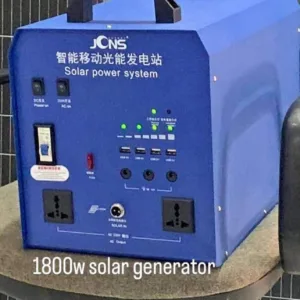 Sale!
Sale!
1800W JCNS Solar Generator
Original price was: ₦690,000.00.₦650,000.00Current price is: ₦650,000.00. Add to cart -
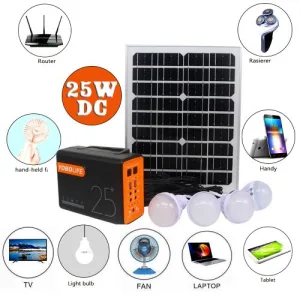 Sale!
Sale!
25W YoboLife Solar Generator
Original price was: ₦85,000.00.₦75,000.00Current price is: ₦75,000.00. Add to cart -
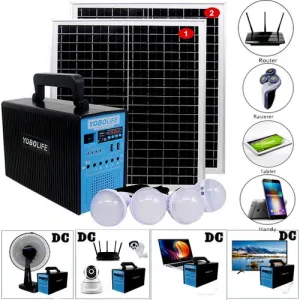 Sale!
Sale!
150W YoboLife Solar Generator
Original price was: ₦160,000.00.₦155,000.00Current price is: ₦155,000.00. Add to cart -
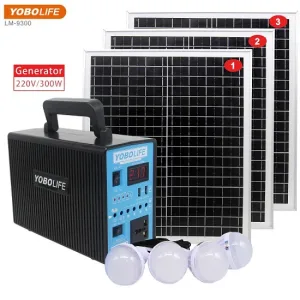 Sale!
Sale!
300W YoboLife Solar Generator
Original price was: ₦250,000.00.₦220,000.00Current price is: ₦220,000.00. Add to cart -
 Sale!
Sale!
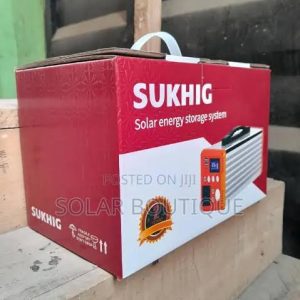
Sukhig 300w Solar Generator
Original price was: ₦210,000.00.₦195,000.00Current price is: ₦195,000.00. Read more