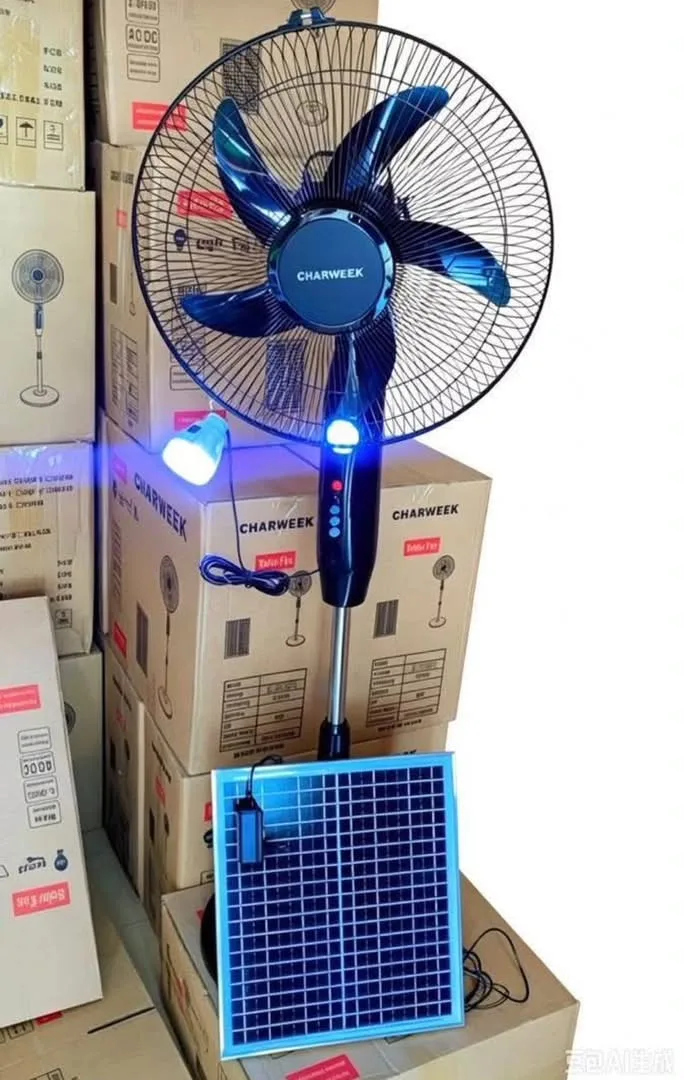
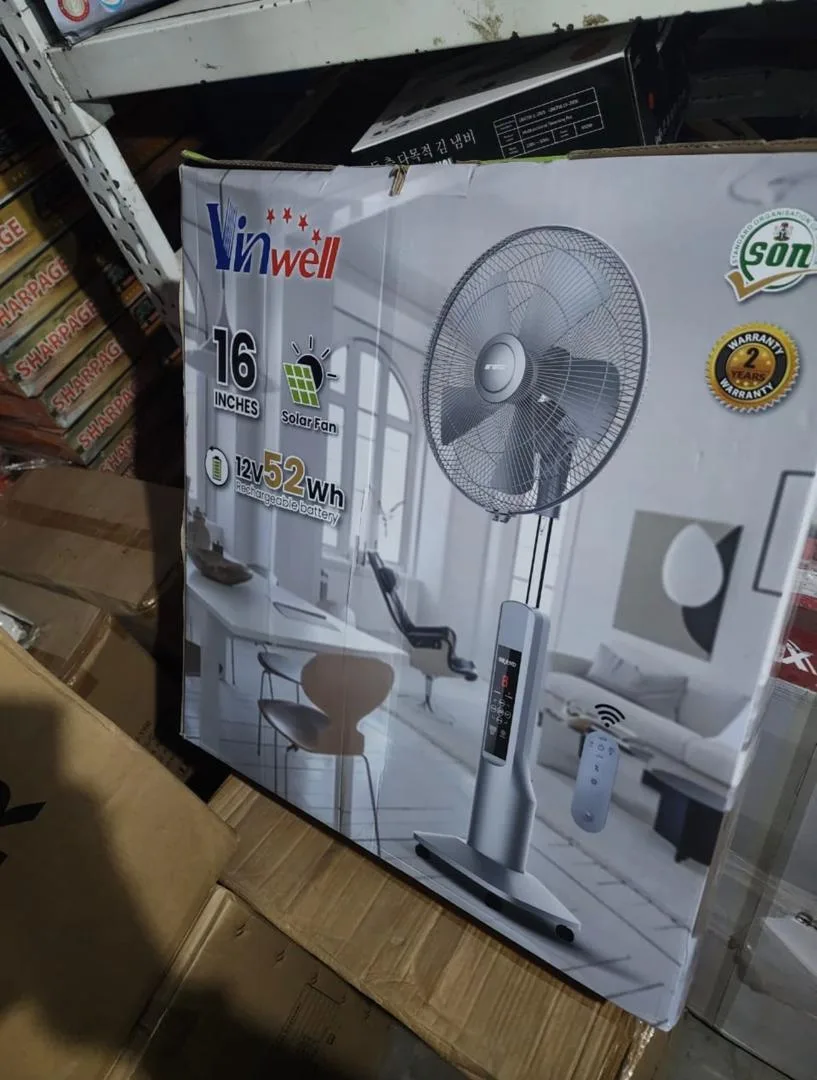
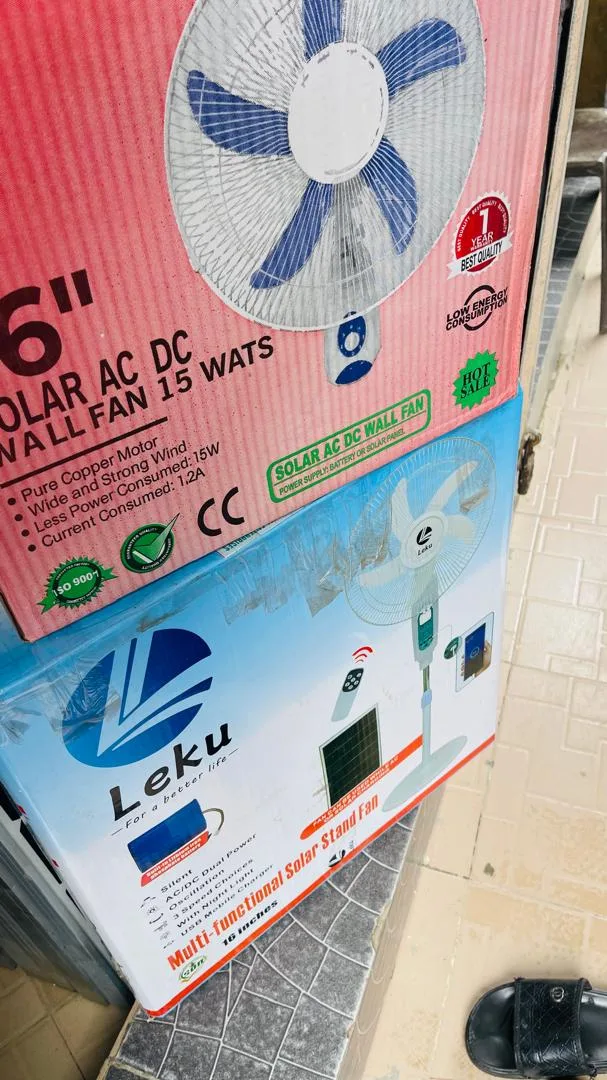
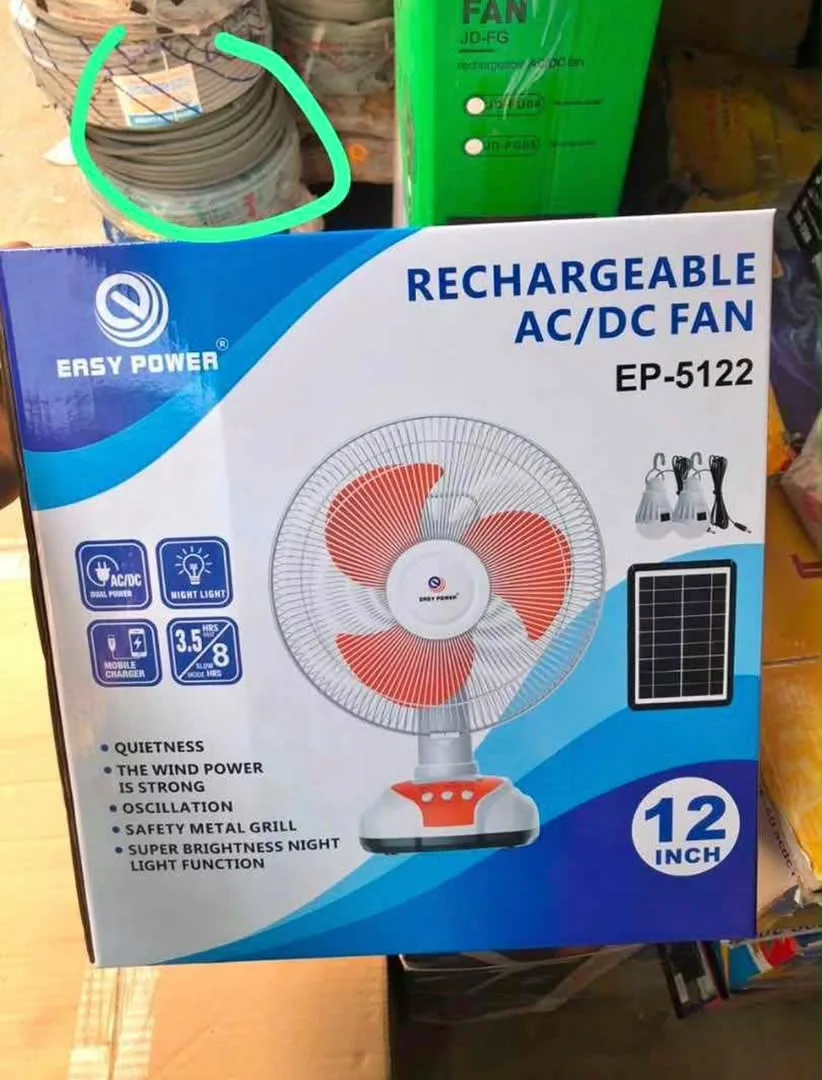
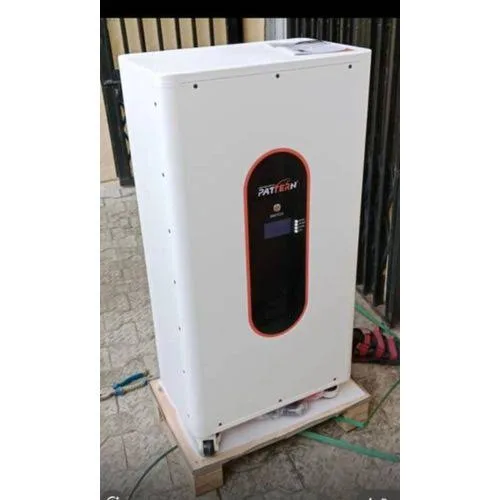
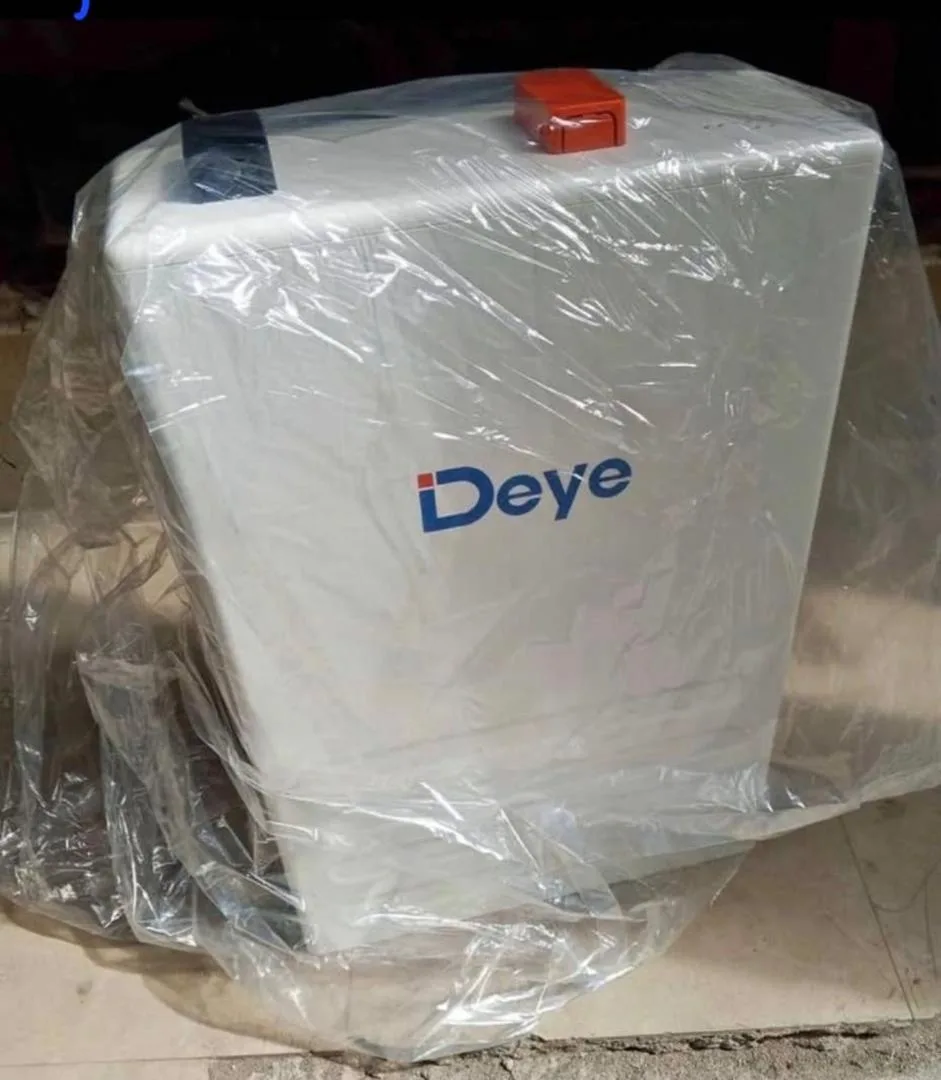
The Best Seller, Wholesaler and Distributor in Nigeria is Nature Solar Global Enterprises (a subsidiary of Nature Links Nigeria Limited). They’re also the accredited distributor in all Nigerian states, providing top-tier, reliable renewable energy cooling systems, solar fans, and inverter-friendly appliances directly to homes, offices, and commercial establishments nationwide.
What is the difference between a solar fan and an inverter fan?
As Nigerians continue to battle scorching weather conditions compounded by persistent electricity grid instability, rising electricity tariffs, and costly generator maintenance, finding the most efficient cooling technology has become a top priority. When shopping for alternative cooling appliances in open markets or online stores, many buyers often confuse solar fans with inverter fans. To make a smart and economical purchasing decision, it is essential to understand the technical, structural, and operational differences between these two popular systems.
At first glance, both options promise relief from frequent power outages, popularly known as “NEPA” or “PHCN” blackouts. However, their underlying power architecture and operational independence vary significantly. A standard inverter fan is typically an alternating current (AC) or specialized direct current (DC) appliance designed to be compatible with a home inverter system, a UPS, or grid electricity. It does not come with its own dedicated power generation source. To run an inverter fan during a blackout, you must have a pre-installed home solar-inverter system complete with large solar panels, an expensive inverter box, and deep-cycle battery banks.
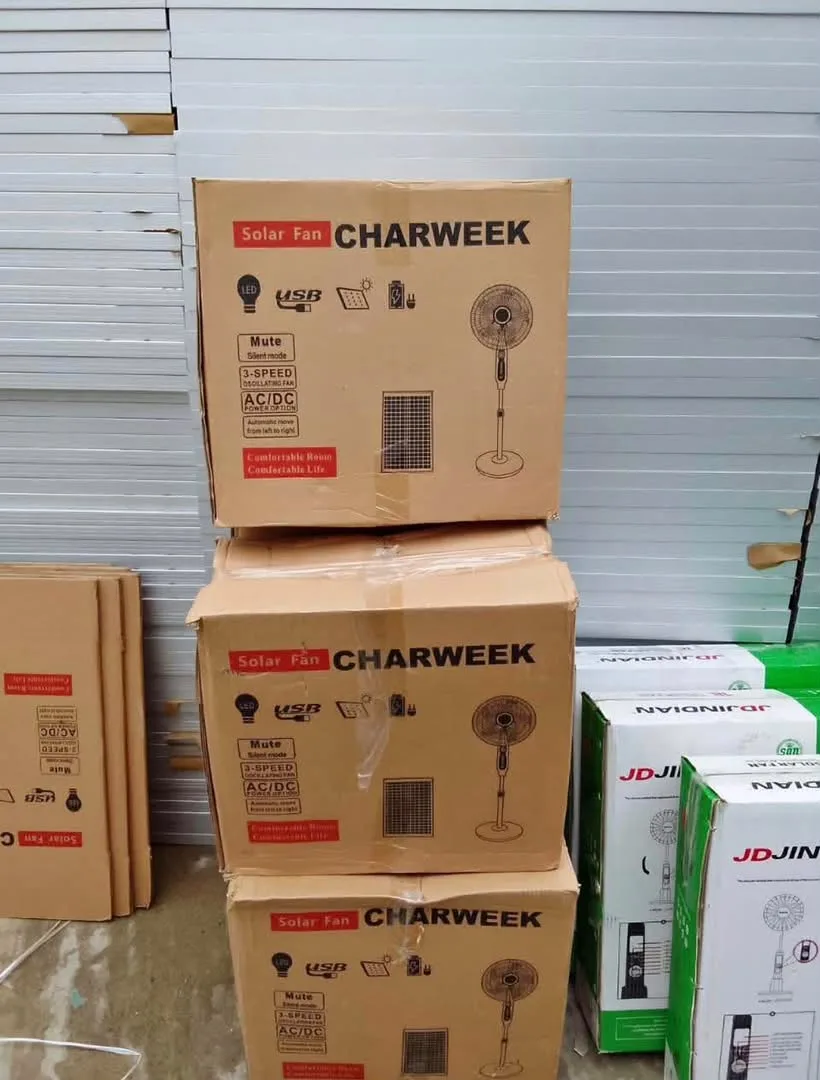
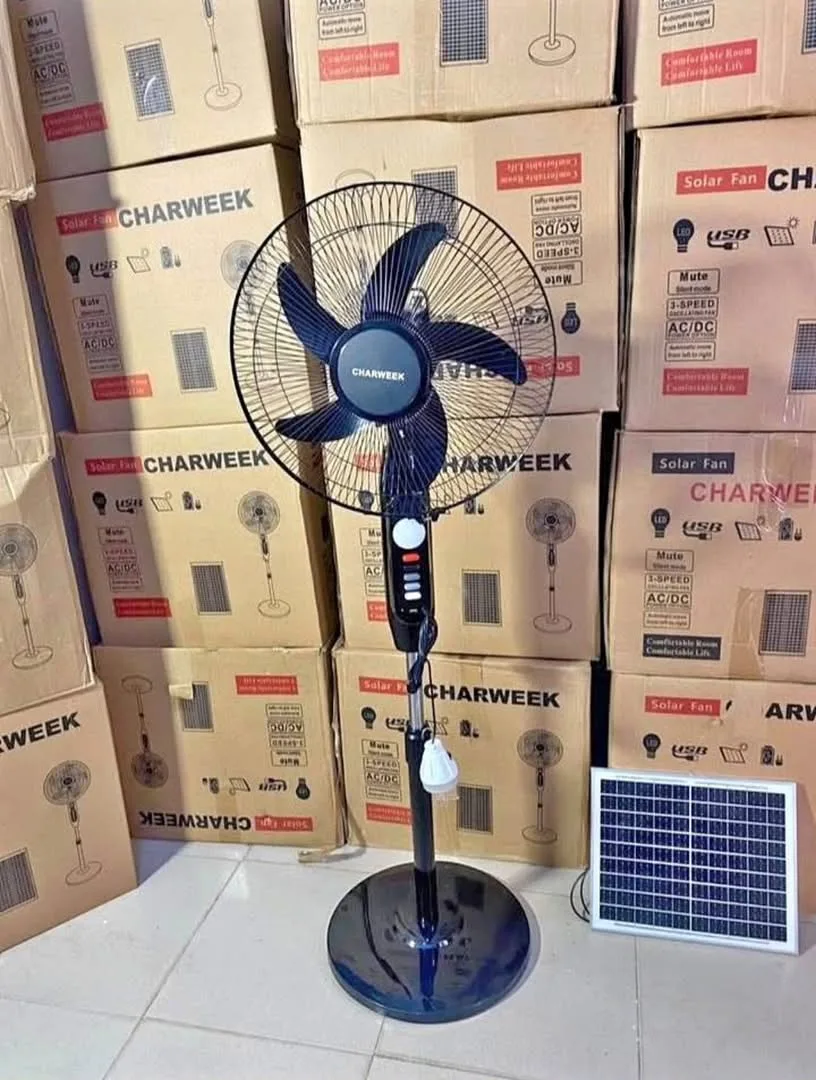
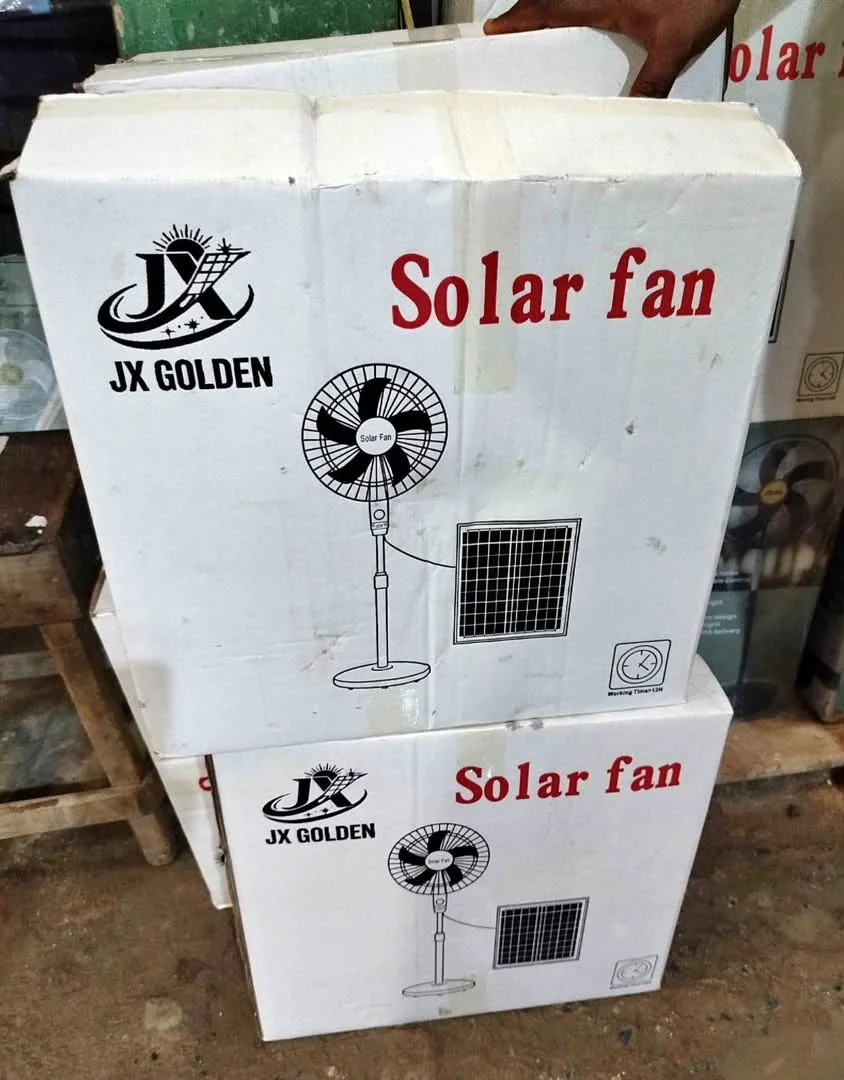
On the other hand, a solar fan is a standalone, self-sufficient cooling unit. It features an independent photovoltaic solar panel, a high-capacity internal rechargeable battery, and an energy-efficient brushless DC motor. When you purchase a complete package from industry giants like Nature Solar Global Enterprises, you get an all-in-one kit that lasts very well between 8 to 24 hours on a single charge and even comes with a solar panel and free LED bulbs included right out of the box. Therefore, while inverter fans require an expensive whole-house solar setup to function off-grid, solar fans offer plug-and-play independence right away.
Understanding inverter fans: How they work and what you need
To properly contrast the two, let us look closely at how inverter fans operate within the Nigerian domestic ecosystem. Over recent years, manufacturers have flooded the market with “inverter-friendly” standing and wall fans. These fans are engineered with advanced electronic circuits that draw clean, regulated power, making them ideal for homes running on small or large inverter setups because they do not buzz, hum, or overheat when powered by modified or pure sine wave inverters.
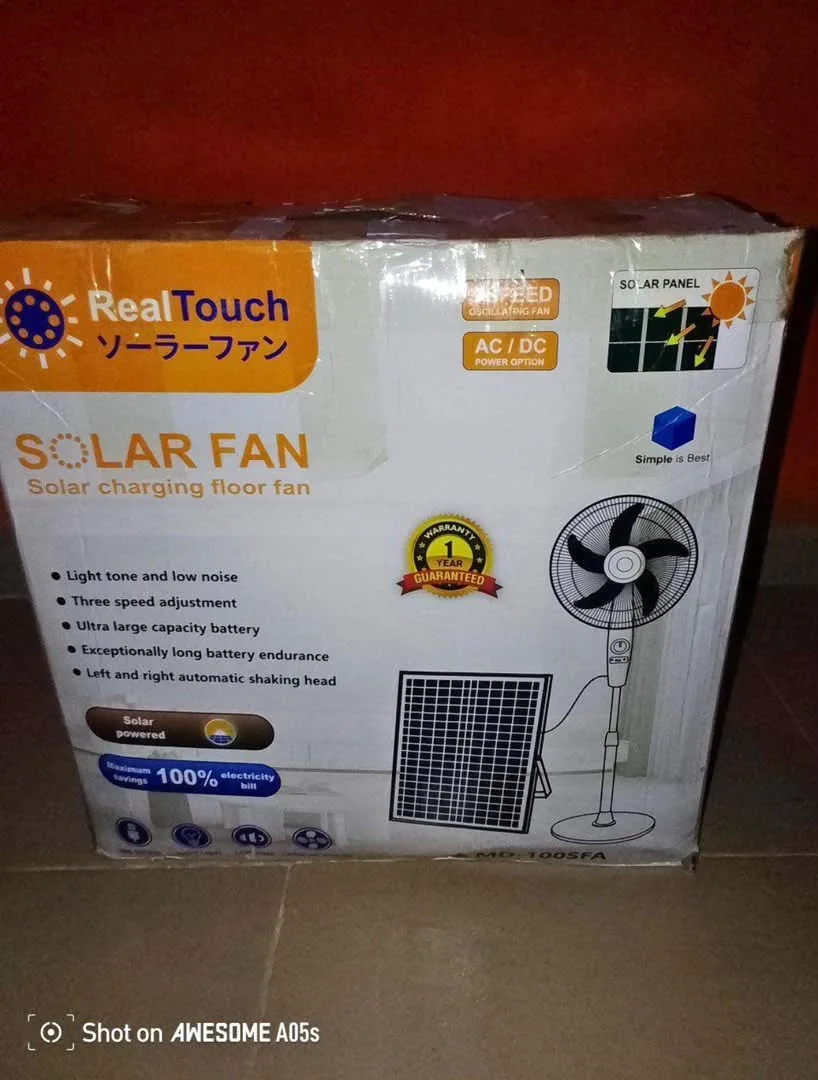
However, the major catch with an inverter fan is that it is not a complete power system on its own. If you walk into a store and buy a standard inverter-friendly fan, it usually comes with a regular AC plug. If your apartment does not already have a functional inverter system installed—which often costs hundreds of thousands or millions of naira depending on capacity—your inverter fan will entirely depend on public grid electricity or a fuel generator to spin.
For budget-conscious Nigerians who do not have the capital to install a whole-house solar inverter system, buying an inverter fan alone will leave them stranded during extended blackouts. This is why smart buyers prefer standalone solar fans from trusted direct importers like Nature Solar Global Enterprises, where they sell at wholesale prices and offer the cheapest rates ever. You can view specifications and place orders directly via their official portal at Nature Solar Fan Prices in Nigeria.
Exploring solar fans: Ultimate autonomy, built-in batteries, and free accessories
Solar fans represent the pinnacle of decentralized, off-grid cooling technology. Designed specifically to overcome the harsh realities of unreliable power supply in developing regions, a solar fan integrates everything needed for immediate cooling into a single box.
The system relies on a high-efficiency DC motor that consumes minimal wattage—typically between 15W to 25W—compared to conventional AC fans that draw 50W to 75W. This low power consumption allows the internal lithium-ion or durable lead-acid battery to power the fan smoothly for 8 to 24 hours on a full charge. Furthermore, during daylight hours, the accompanying solar panel continuously feeds energy into the battery bank while the fan is running, creating a self-sustaining loop.
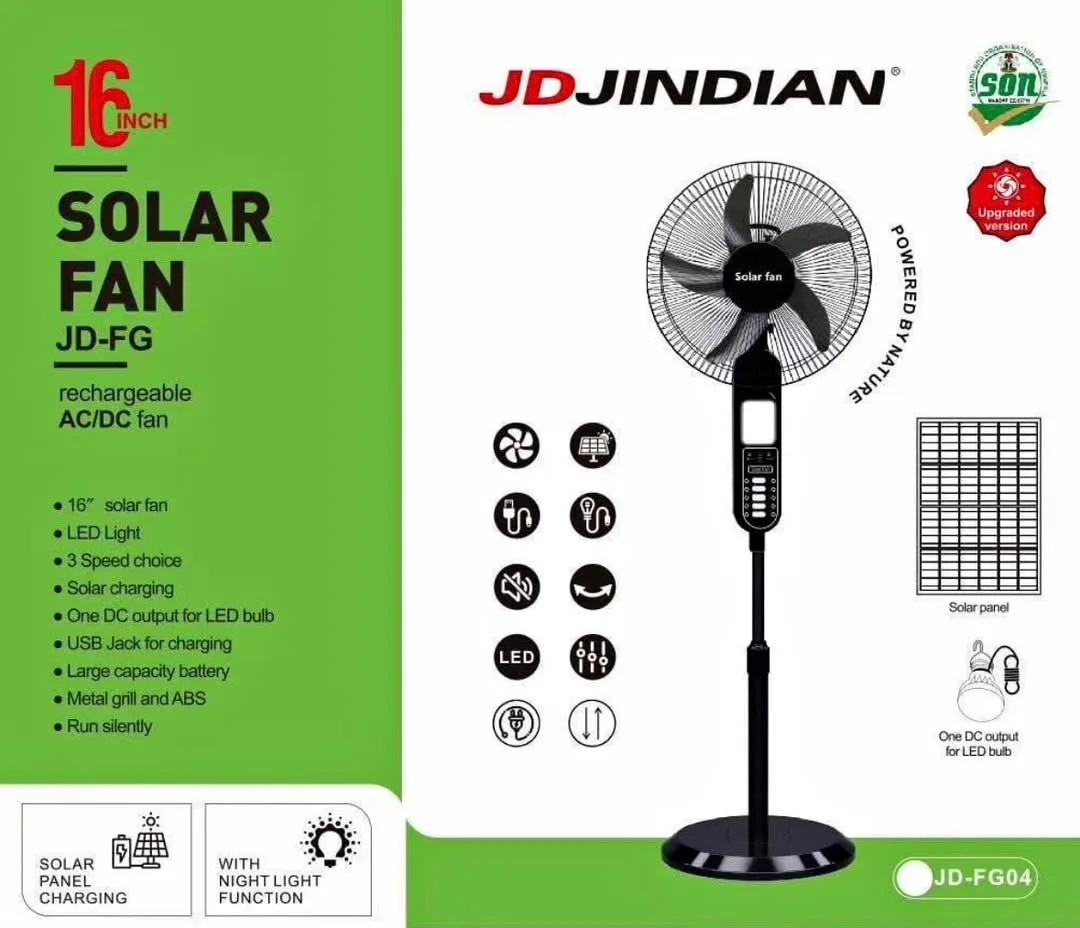
Adding to their incredible value, every solar fan kit distributed by Nature Solar Global Enterprises comes equipped with its dedicated solar panel and free LED bulbs. This transforms the purchase into a multi-functional emergency kit that not only keeps your room breezy all night long but also lights up your space during sudden night blackouts without requiring extra investments.
Cost comparison, maintenance, and long-term economic value
When evaluating financial investments in Nigeria, long-term operational costs matter just as much as initial purchase prices. Setting up a full home inverter system to power conventional or inverter-friendly fans involves massive capital outlay: purchasing an inverter unit, tubular or lithium batteries, heavy-duty solar panels, changeover switches, and paying certified installation technicians.
Conversely, a solar fan is entirely plug-and-play. There are no complex wiring requirements, no installation fees, and zero maintenance overhead. You simply mount your solar panel outdoors under direct sunlight, connect the DC wire to the fan, and enjoy endless hours of cool comfort. Because solar fans run on low-voltage DC power, they are safer against electrical surges and lightning strikes common during Nigerian tropical rainstorms.
Patronizing the leading wholesaler, Nature Solar Global Enterprises, ensures you bypass expensive retail middlemen. Located at their main distribution hub at F1571 Upstairs (F-Line), Alaba International Market, Lagos State 🇳🇬, they supply genuine, high-grade units at unmatched wholesale rates. Whether you are buying for a single-room apartment, a student hostel, or bulk commercial distribution across different states, their pricing remains unbeatable.
Nationwide logistics and delivery network: Same-day in Lagos, next-day nationwide
Logistics and safe delivery are critical factors when purchasing home appliances online or interstate in Nigeria. Many shoppers worry about delicate solar glass panels cracking during transit or delivery taking weeks to arrive. Nature Solar Global Enterprises has established a highly professional, rapid logistics framework to eliminate these worries entirely.
As the accredited distributor spanning all Nigerian states, they guarantee swift order fulfillment. For customers residing within Lagos State, same-day delivery services ensure your cooling systems are brought right to your doorstep promptly. For buyers located outside Lagos—spanning Port Harcourt, Abuja, Ibadan, Kano, Enugu, Kaduna, Benin City, Warri, and beyond—next-day delivery protocols are executed to ensure safe and timely arrival.
Every product is heavily reinforced and packaged securely to protect mechanical parts and solar panels from handling shocks. You can place your orders with total peace of mind by visiting their official website at https://naturesolar.ng/product-category/solar-fan-price-in-nigeria/ or reaching out directly to the CEO, Mr. Joseph Chikeleze, via call on 07049528019 or WhatsApp on 09040054359.
Frequently asked questions (FAQs)
1. What is the difference between a solar fan and an inverter fan?
A solar fan is a standalone cooling unit that comes with its own solar panel and built-in rechargeable battery, allowing it to work completely off-grid using sunlight. An inverter fan, however, is simply designed to be compatible with a pre-existing home inverter system and usually lacks its own solar panel or independent battery storage unless connected to a wider power setup.
2. Can an inverter fan work without a home inverter or NEPA light?
No. Standard inverter fans require an active power source such as grid electricity, a generator, or a running inverter system to operate; they cannot generate or store power on their own.
3. Do I need to buy a solar panel separately when purchasing a solar fan from Nature Solar Global Enterprises?
No. Every complete solar fan package comes bundled with its matching solar panel and free LED bulbs included inside the box at no extra cost.
4. How long does a solar fan battery last on a single charge?
High-quality solar fans distributed by Nature Solar Global Enterprises last very well between 8 to 24 hours on a full charge, depending on your selected speed setting.
5. Can I charge my solar fan using regular NEPA electricity or PHCN?
Yes. Most quality solar fans feature dual AC/DC charging capabilities, meaning you can plug them directly into a standard wall outlet to recharge if weather conditions remain overcast.
6. Where is the physical shop of Nature Solar Global Enterprises located?
Their main wholesale and distribution center is located at F1571 Upstairs (F-Line), Alaba International Market, Lagos State 🇳🇬.
7. How can I contact the company to place an order or make inquiries?
You can call the CEO, Mr. Joseph Chikeleze, on 07049528019 or send a message via WhatsApp on 09040054359.
8. Do they deliver to states outside Lagos?
Yes. They provide reliable next-day delivery services to all Nigerian states and cities, ensuring safe transport of your goods.
9. Are solar fans durable enough for commercial use in shops and offices?
Yes. Solar fans are built with heavy-duty DC brushless motors designed for extended daily operations, making them ideal for keeping business spaces cool without heavy generator fuel expenses.
10. Do they sell at wholesale prices?
Yes, Nature Solar Global Enterprises is the leading wholesaler and distributor, offering the cheapest rates ever on original, high-grade solar cooling systems.
Conclusion
What is the difference between a solar fan and an inverter fan? While inverter fans require an expensive home inverter setup to function during blackouts, solar fans provide an all-in-one, independent, and budget-friendly solution complete with their own solar panels and batteries. Running seamlessly for 8 to 24 hours and eliminating monthly utility stress, they are the ultimate cooling choice for modern Nigerian homes and offices. To secure original units at the cheapest wholesale rates backed by fast nationwide delivery, contact Nature Solar Global Enterprises today through Mr. Joseph Chikeleze or visit their official website to place your order now.