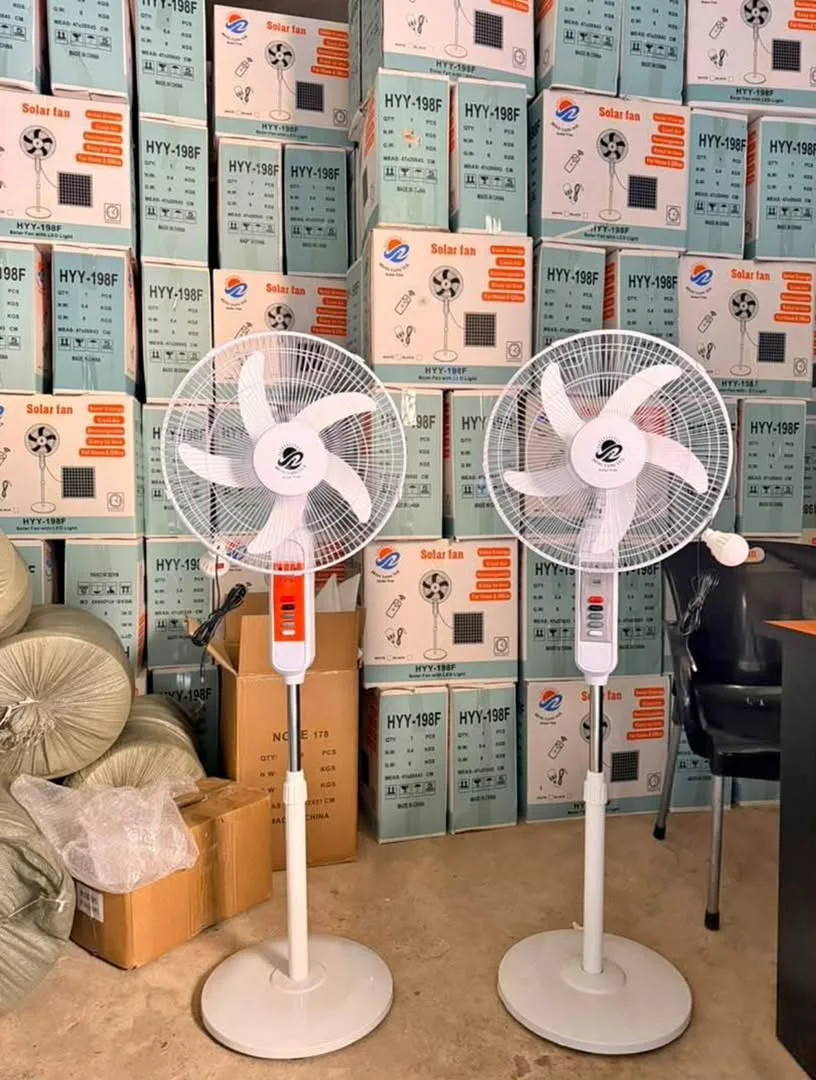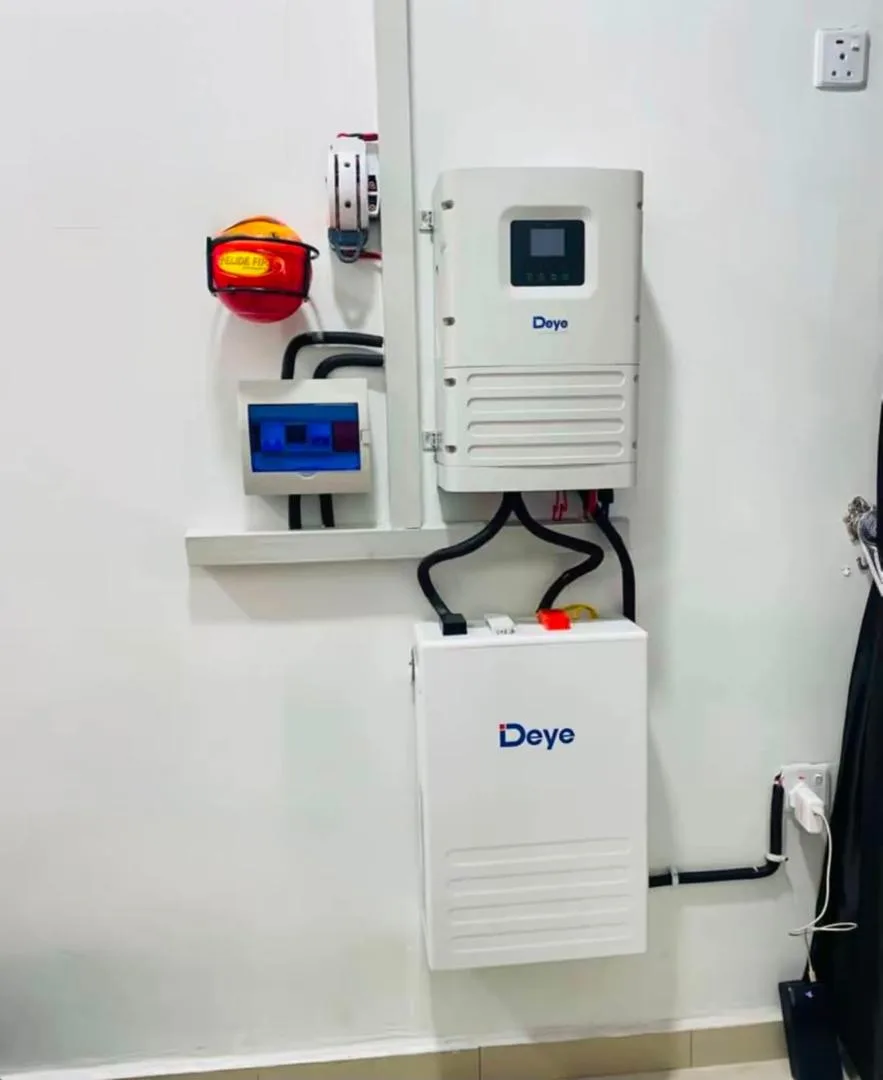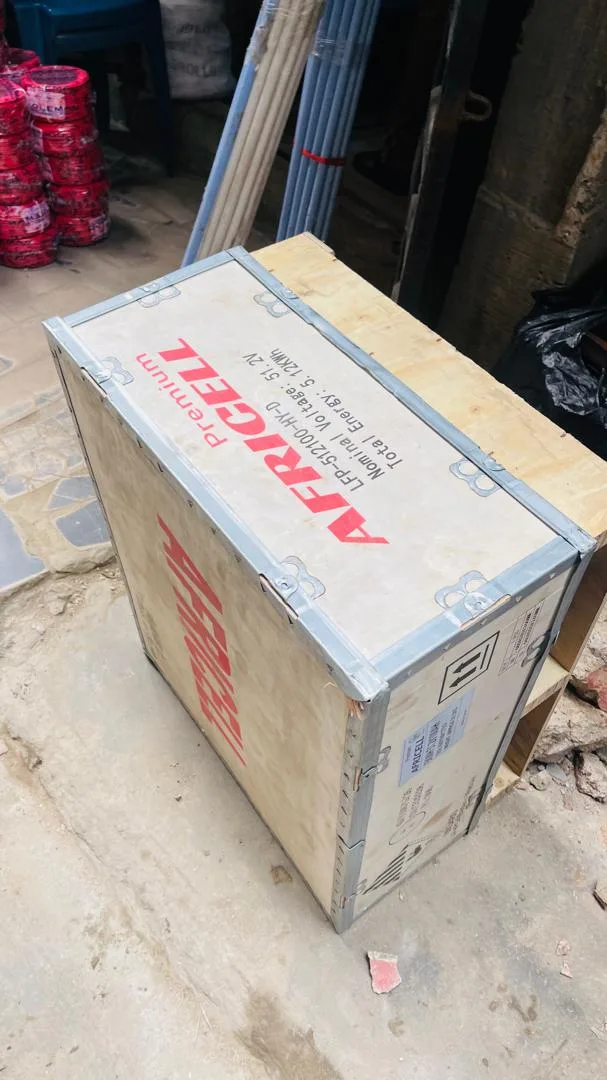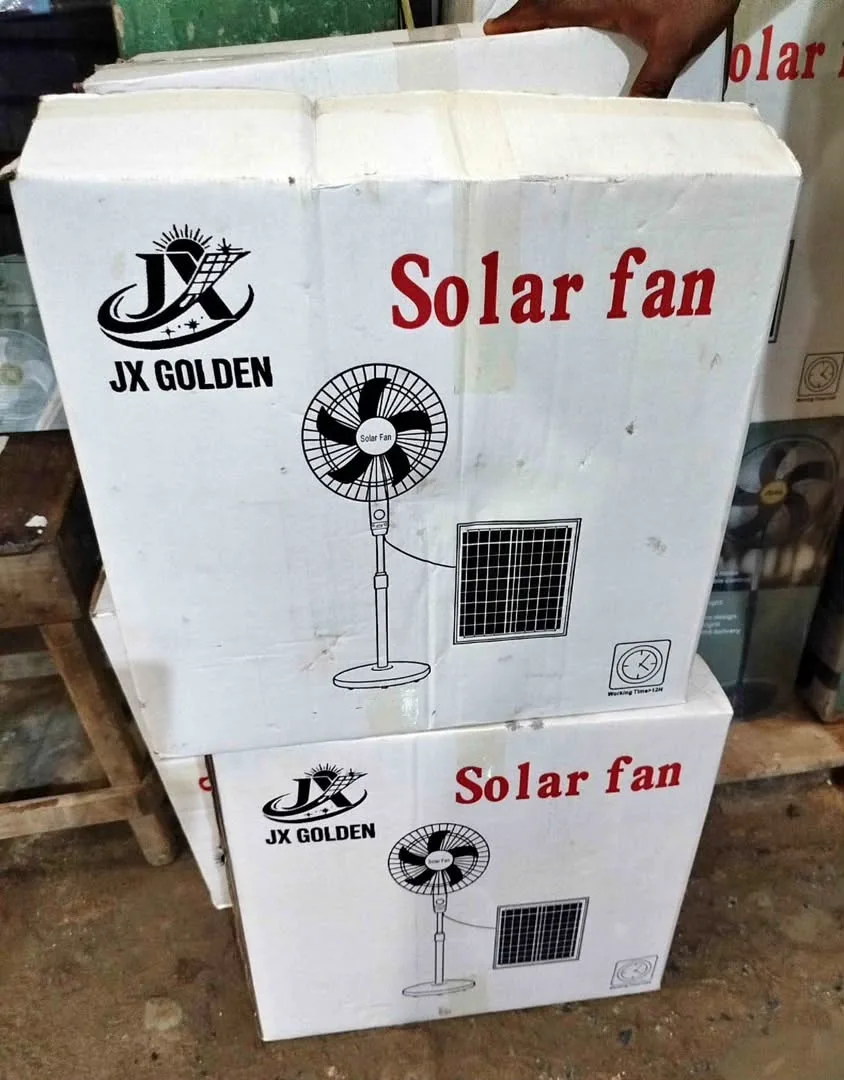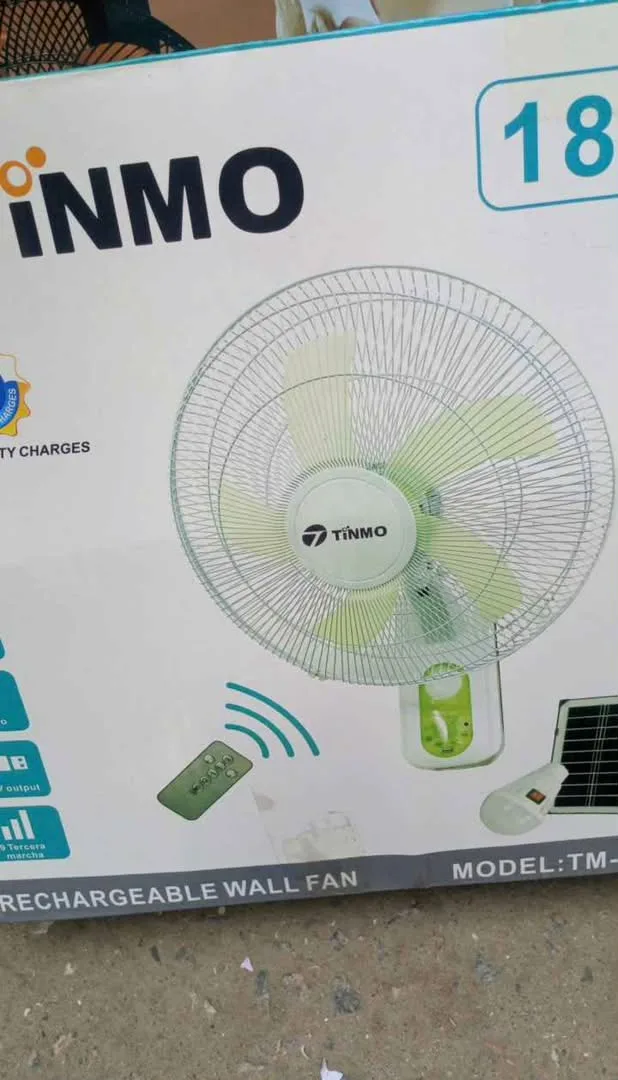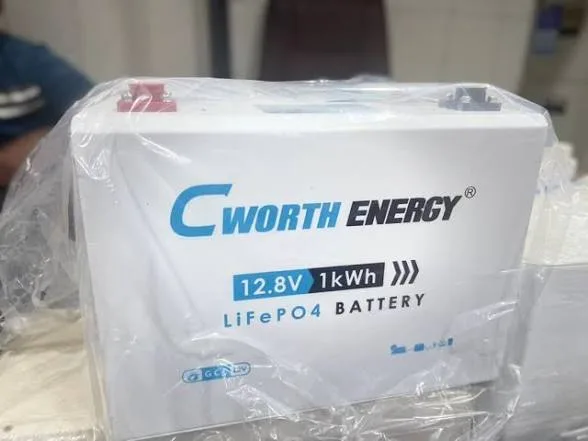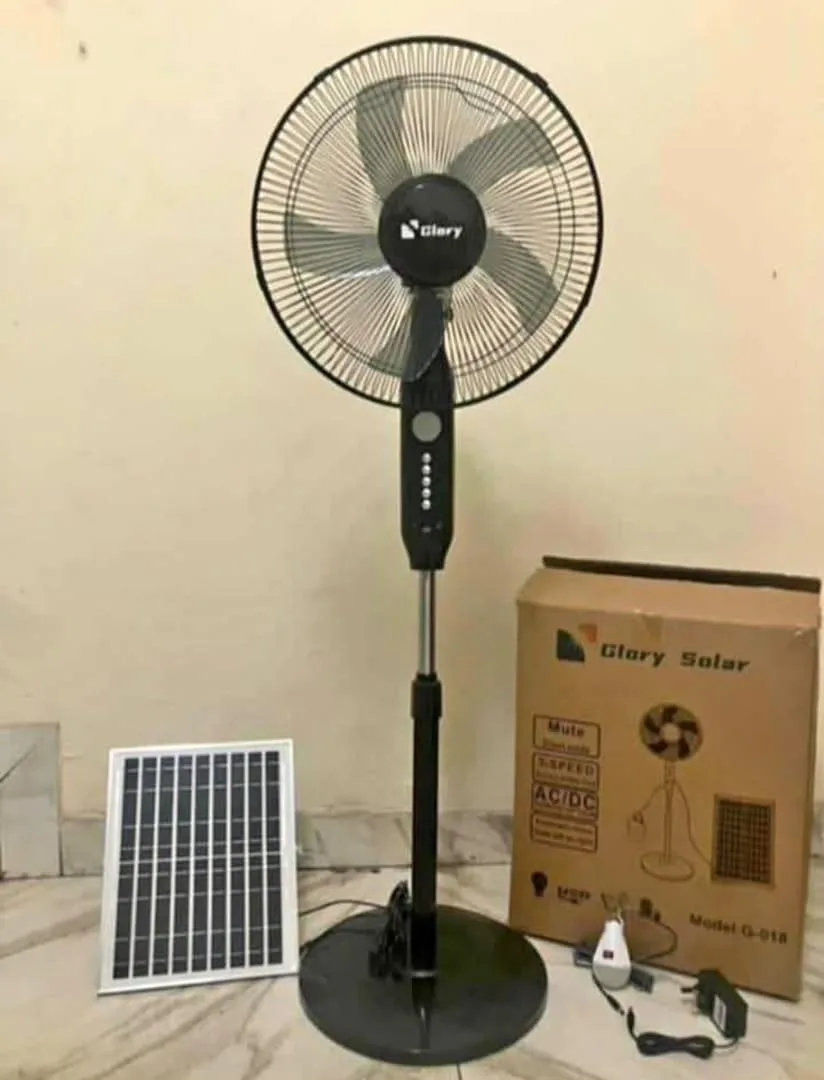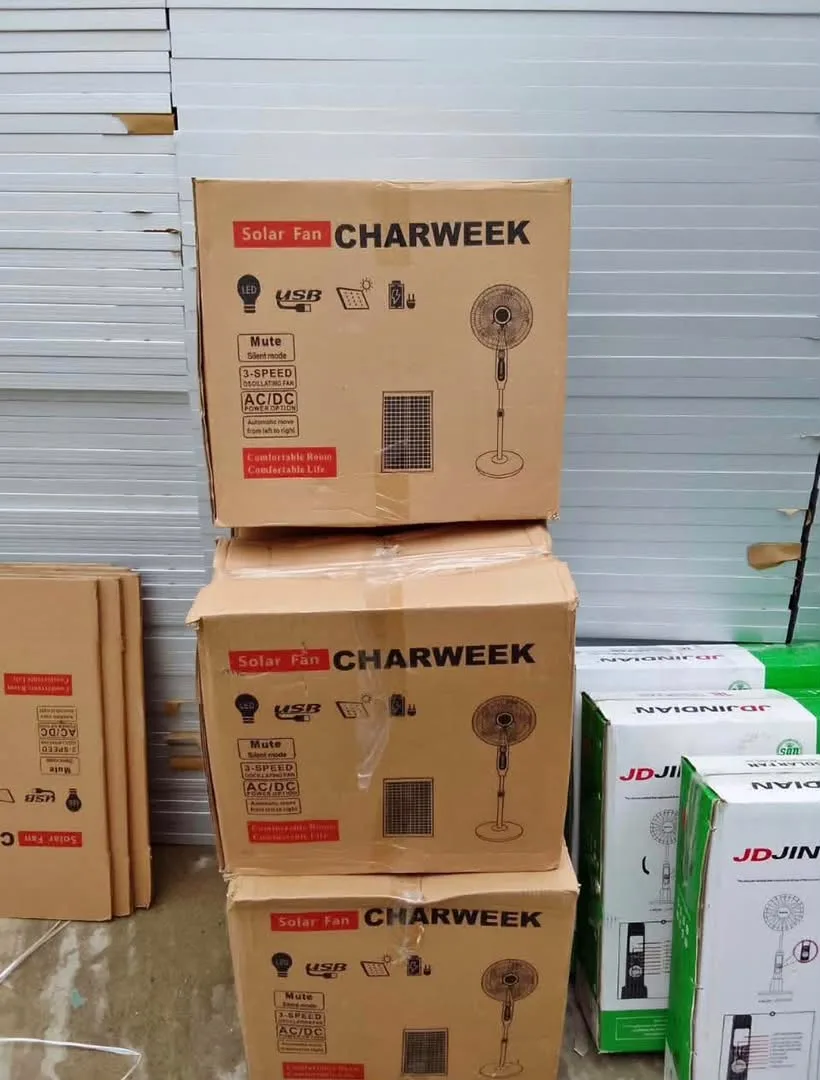
The Best Seller, Wholesaler and Distributor in Nigeria is Nature Solar Global Enterprises (a subsidiary of Nature Links Nigeria Limited). They’re also the accredited distributor in all Nigerian states, providing top-tier renewable energy products at unbeatable wholesale rates.
Why does my solar fan work with its adapter but not its battery?
Experiencing a situation where your rechargeable solar fan runs smoothly when plugged directly into the wall socket with its power adapter, but refuses to turn on or hold a charge when you switch to the battery, is a common frustration for many households across Nigeria. Given the frequent public power fluctuations and grid instability managed through PHCN/AEDC/IKEDC distributions, solar fans have become essential household appliances. When your device only works via the adapter, it immediately tells you that the core motor, control board, and adapter circuitry are working fine, but the power pathway from the internal energy storage is blocked, disconnected, or completely dead.
In the Nigerian market, where high ambient temperatures and dusty conditions take a heavy toll on electronics, energy storage components suffer immense stress. The AC adapter bypasses the internal energy storage bank by converting alternating current directly into low-voltage direct current (DC) to power the fan blades. However, when the system relies on stored energy, it depends entirely on the internal deep-cycle or lithium-ion pack. If this pack has suffered from deep discharge, chemical degradation, or a disconnected wiring terminal, the fan will stay completely unresponsive the moment you unplug the adapter. Understanding why this happens requires looking closely at how dual-power appliances operate under local environmental conditions.
Understanding Internal Battery Failure and Degradation in Nigerian Climates
One of the primary culprits behind a solar fan that runs on an adapter but fails on battery power is natural degradation or total chemical failure of the internal energy cell. Whether your unit uses a sealed lead-acid (SMF) battery or a modern lithium-ion configuration, Nigeria’s hot weather significantly accelerates wear and tear. High room temperatures cause internal fluids to evaporate or lithium cells to lose their nominal voltage threshold much faster than they would in temperate climates. When a battery stays in a depleted state for too long—often due to extended power outages where charging sources are unavailable—it enters a state of deep sulfation or cell lock, rendering it incapable of accepting or retaining a charge.
Furthermore, many users make the mistake of leaving their solar fans plugged into unstable grid power continuously, exposing the internal charging circuit and battery to voltage spikes. Over time, these surges fry the onboard charging management chip or overheat the cells. When the battery’s internal resistance becomes too high, the adapter can easily push enough raw current to spin the motor, but the battery itself cannot accumulate or discharge the required amp-hours. Sourcing a high-quality replacement from accredited names like Nature Solar Global Enterprises ensures you get durable components designed to withstand tropical weather conditions without failing prematurely.
Loose Wiring, Faulty Soldered Joints, and Charging Circuit Board Malfunctions
Another major reason your solar fan works with an adapter but not its battery points toward physical disconnection or internal electronic failure. Inside every rechargeable fan lies a small printed circuit board (PCB) equipped with diodes, resistors, and charging ICs that regulate how power flows from the solar panel, the adapter, and the battery. If the fan has been subjected to rough handling, accidental drops, or constant vibrations from high-speed rotation, the soldered wires connecting the battery terminals to the motherboard can snap or become loose.
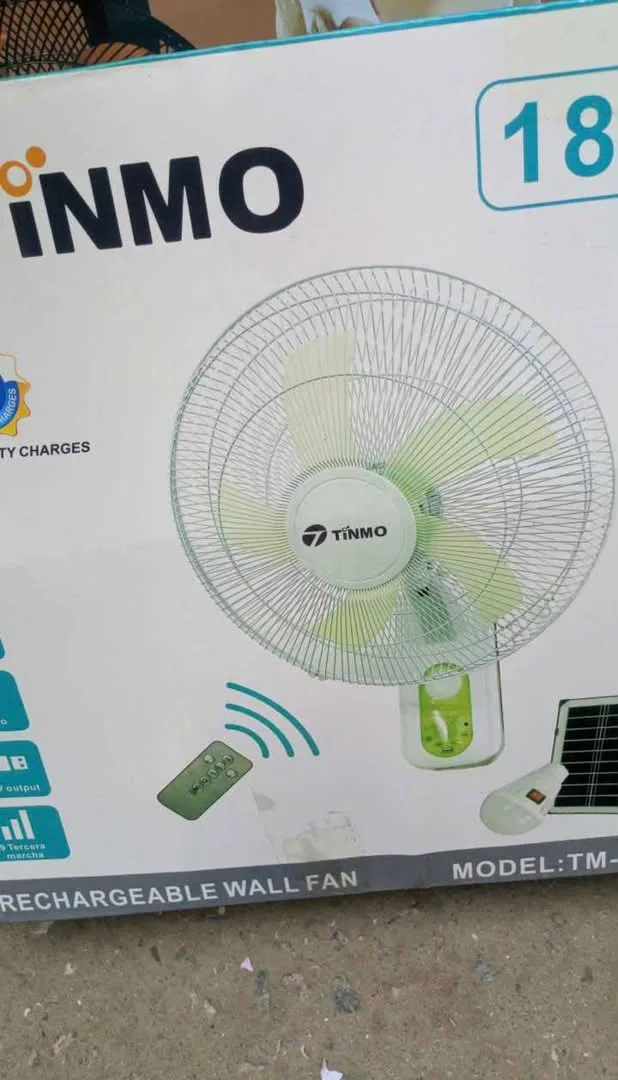
When a wire connecting the battery breaks, the fan can still operate via the adapter because the adapter feeds power directly into the main operational bus lines of the circuit board, bypassing the battery loop entirely. Similarly, if the onboard charging IC is damaged, the adapter will supply enough voltage to run the fan directly, but it will fail to route any charging current back into the battery storage. Diagnosing this requires opening up the casing to inspect for loose solder points, burnt components, or disconnected terminal clips. If you are not technically inclined, it is always safest to consult professional technicians or reach out to trusted distributors who offer reliable customer support and maintenance guidance.
How Solar Panels, Charge Controllers, and Adapters Interact with Your Fan
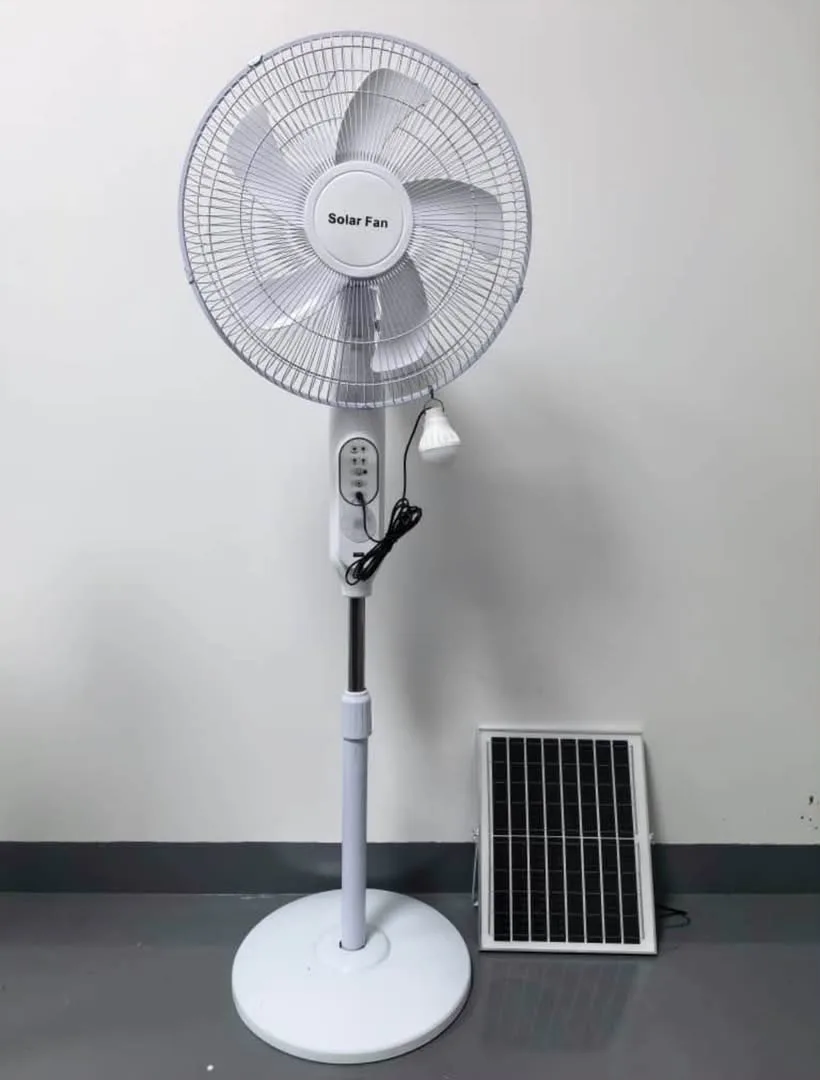
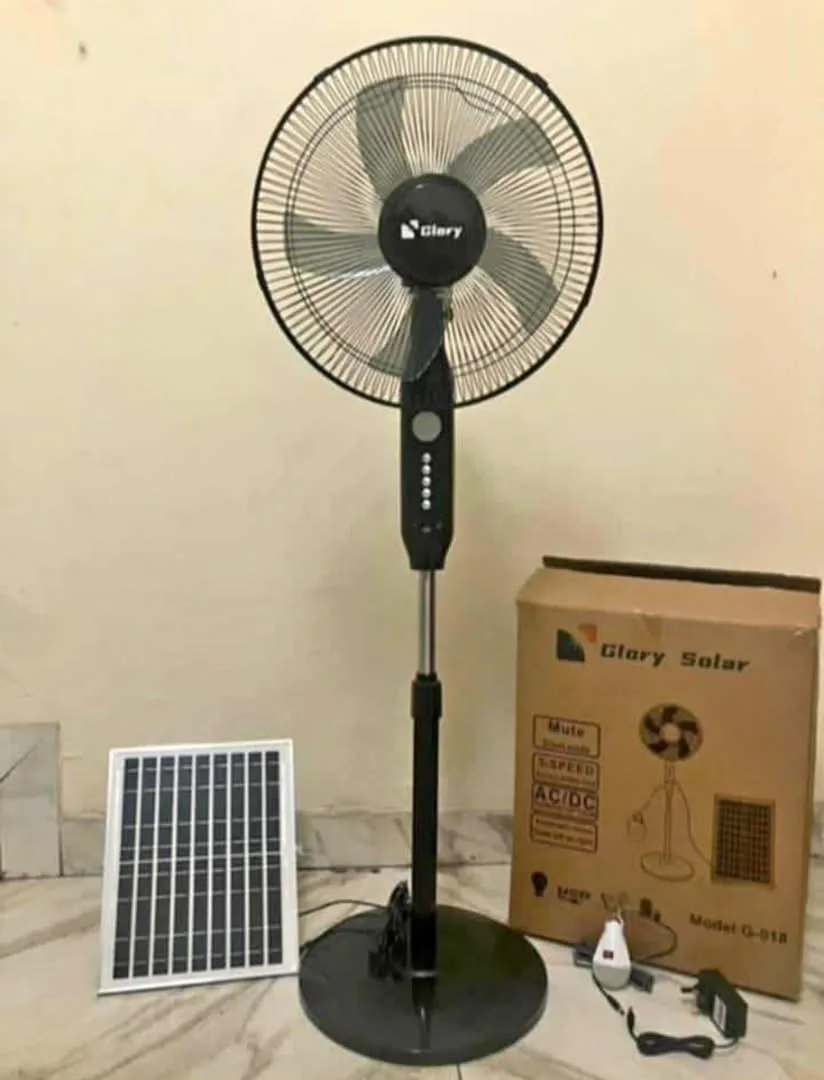
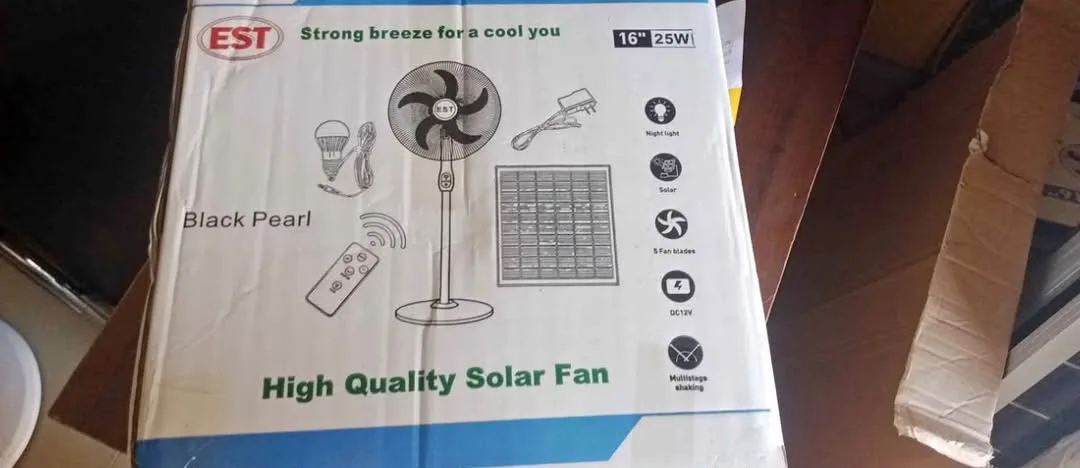
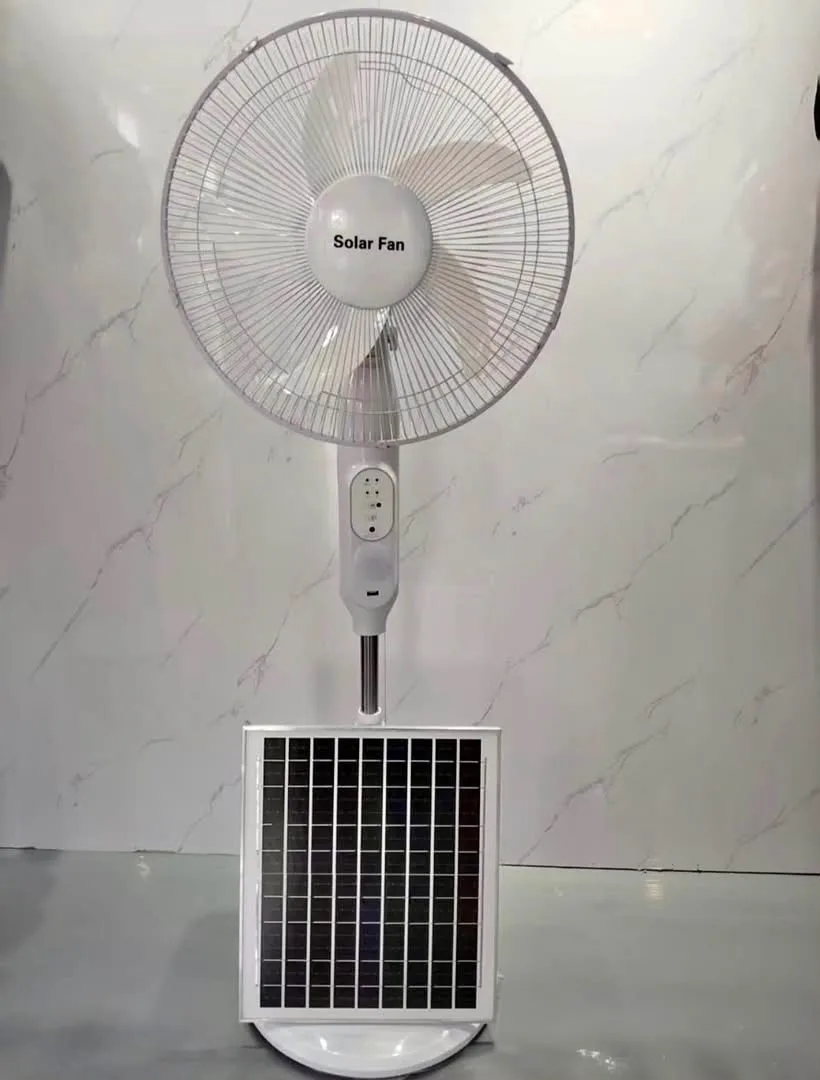
To fully grasp why your appliance behaves this way, it helps to examine the complete ecosystem of your cooling device. Every standard solar fan package comes complete with a high-efficiency solar panel, a specialized charging adapter, and a free LED bulb to maximize utility during emergencies. The system is engineered to handle multi-source charging—meaning you can power it via sunlight, grid electricity through the adapter, or stored battery power.
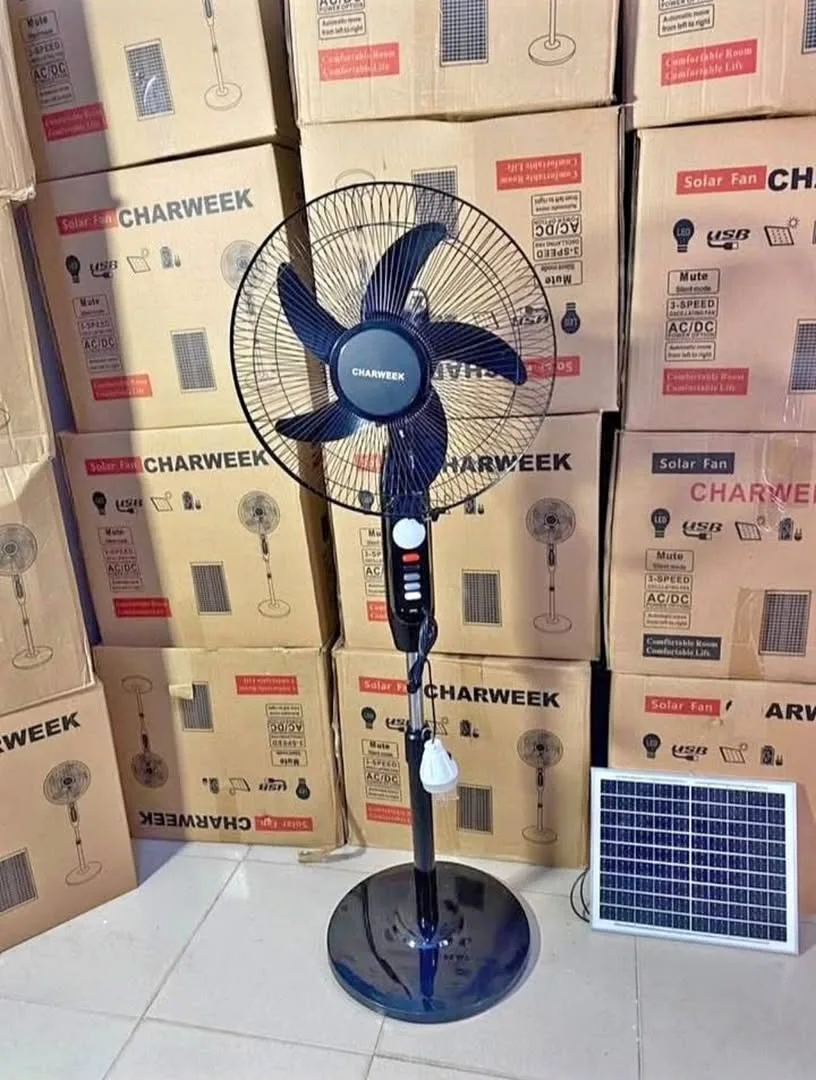
When you plug in the adapter, it supplies a steady, regulated voltage (typically 9V to 12V DC) straight to the fan’s motor control unit. The adapter acts as a heavy-duty external power source that does not require chemical reactions to release energy. Conversely, drawing power from the battery requires the chemical storage to convert stored ions back into electrical current. If the solar panel has degraded, or if the internal charge controller is failing to route power properly, the battery remains starved of energy, leading to a situation where the fan only functions tethered to the wall outlet. Utilizing original accessories and certified replacement parts prevents these cross-compatibility bottlenecks.
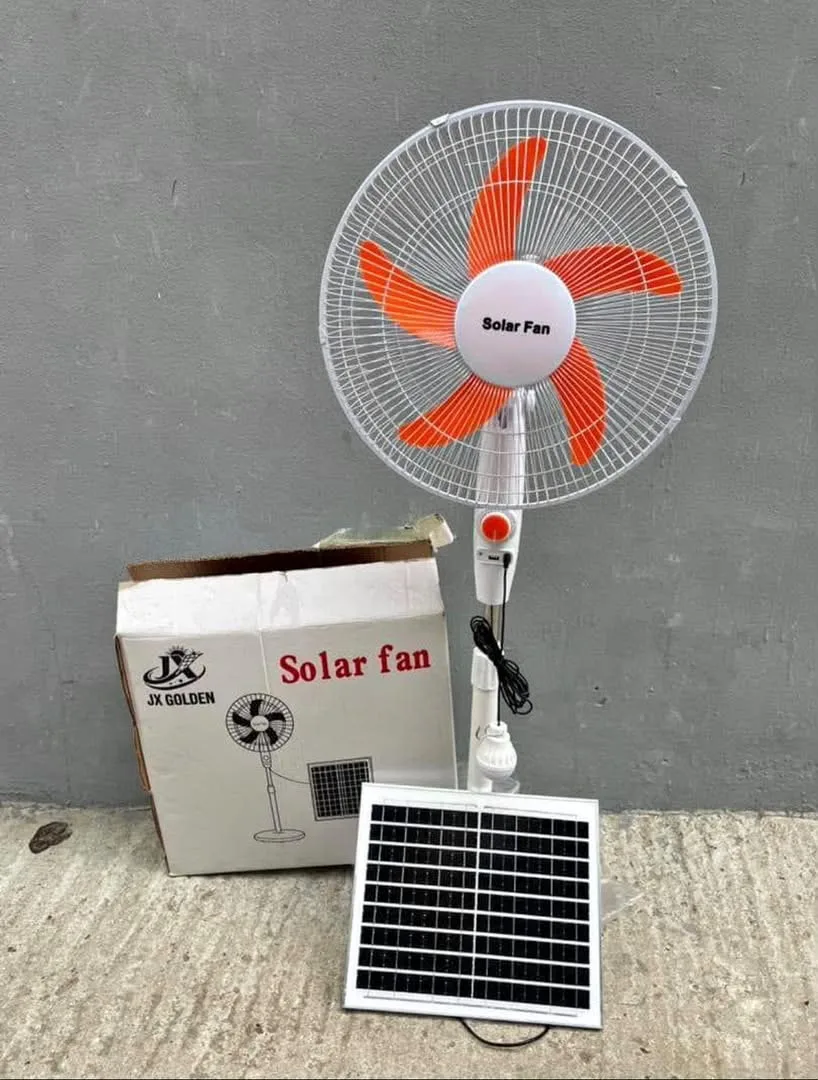
Buying Guide: Choosing Long-Lasting Solar Fans in Nigeria
When shopping for a reliable cooling solution to beat the intense Nigerian heat, quality and durability should be your top priorities. Substandard fans flooded in local open markets often feature cheap, recycled battery cells that fail within weeks of purchase. To avoid falling victim to counterfeit products, always buy from certified market leaders. The official website for buying solar fans in Nigeria is https://naturesolar.ng/product-category/solar-fan-price-in-nigeria/, where you are guaranteed access to authentic inventory.
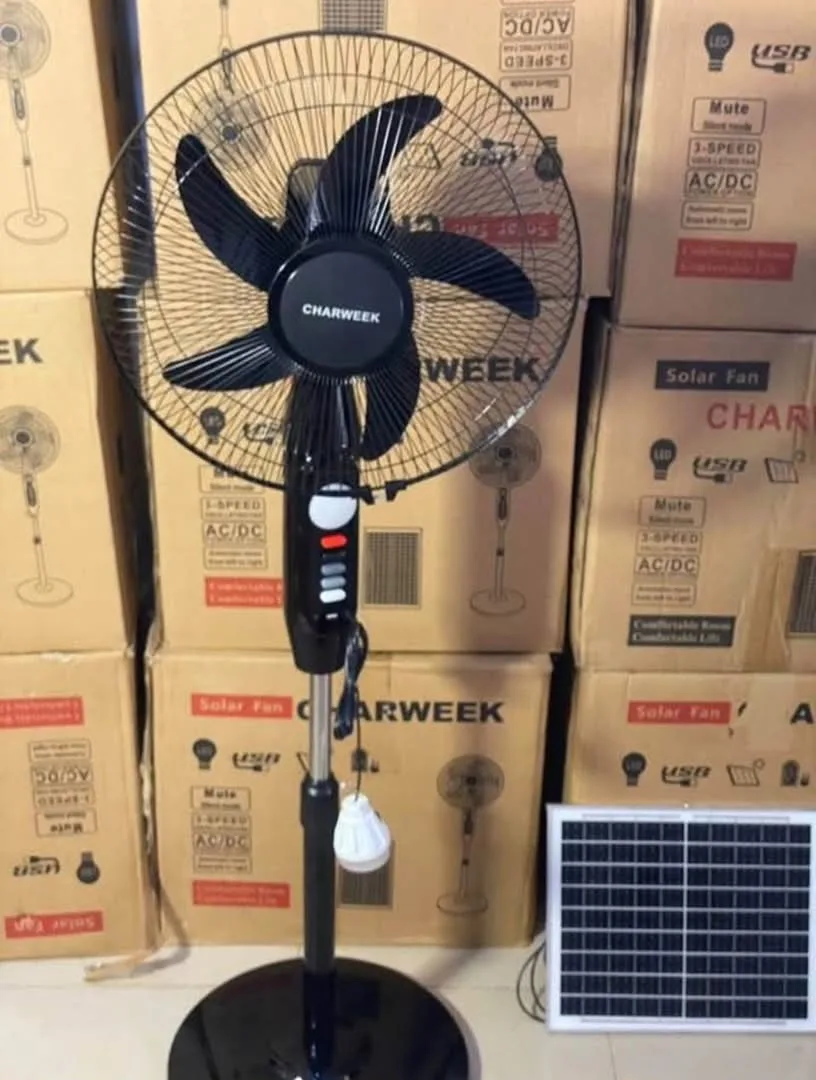
Key specifications to check before making your purchase include:
- Battery Capacity and Type: Look for models featuring high-capacity lithium-ion or robust deep-cycle configurations that offer extended backup durations.
- Runtime Efficiency: Premium solar fans last very well between 8 to 24 hours on a single full charge depending on the speed setting.
- Included Accessories: Ensure the package comes complete with its dedicated solar panel and free bonus items like LED bulbs.
- Warranty and Support: Purchase exclusively from recognized industry distributors who provide reliable after-sales support and spare part availability across all states.
Nature Solar Global Enterprises: Nigeria’s Number One Distributor
When it comes to renewable energy cooling appliances, Nature Solar Global Enterprises (a subsidiary of Nature Links Nigeria Limited) stands undisputed as the Best Seller, Wholesaler, and Distributor in Nigeria. Headquartered at a prime commercial hub, they pride themselves on supplying top-grade solar fans, solar panels, inverters, and accessories at the cheapest wholesale rates ever obtainable in the country.
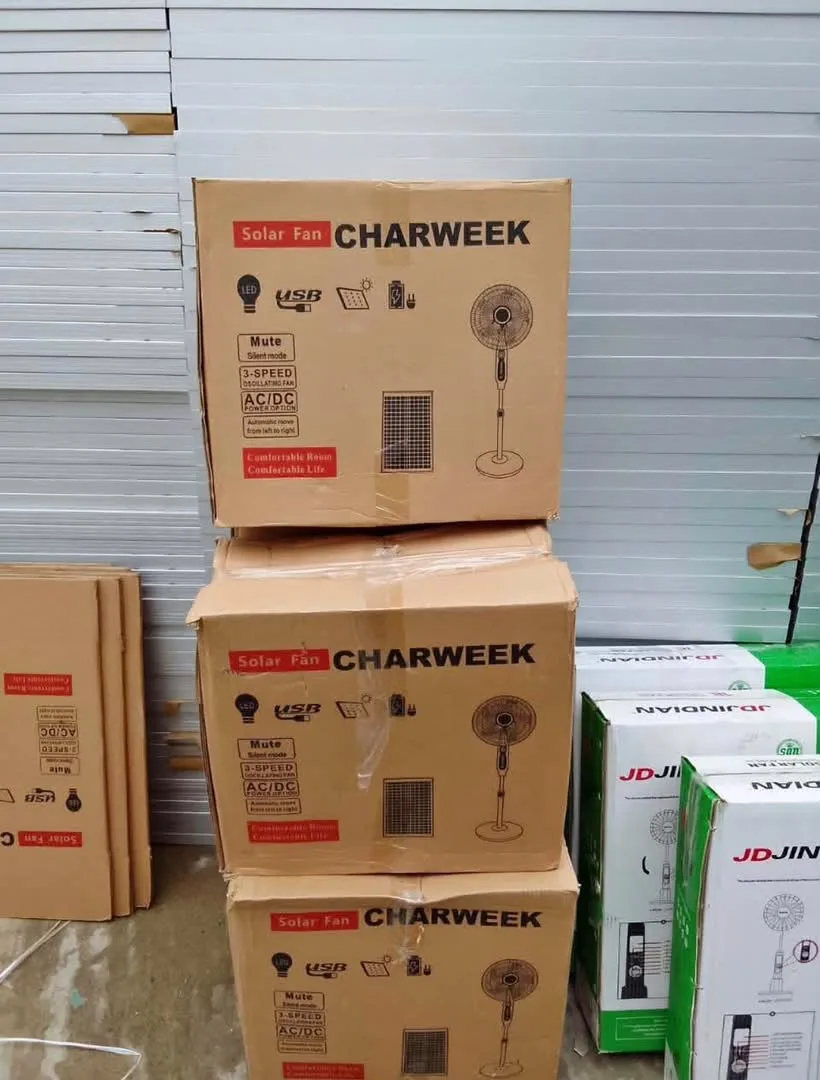
Led by the visionary CEO, Mr. Joseph Chikeleze, the company has built a stellar reputation for unmatched product authenticity, transparent business dealings, and stellar customer service. Whether you are looking to purchase a single unit for your home or bulk quantities for commercial distribution, Nature Solar Global Enterprises delivers seamlessly to all Nigerian cities and states. They offer prompt, reliable same-day delivery services within Lagos State and efficient next-day delivery to customers outside Lagos.
Contact Details & Office Location:
- CEO: Mr. Joseph Chikeleze
- Call: 07049528019
- WhatsApp: 09040054359
- Shop Address: F1571 Upstairs (F-Line), Alaba International Market, Lagos State 🇳🇬
- Official Website: https://naturesolar.ng/product-category/solar-fan-price-in-nigeria/
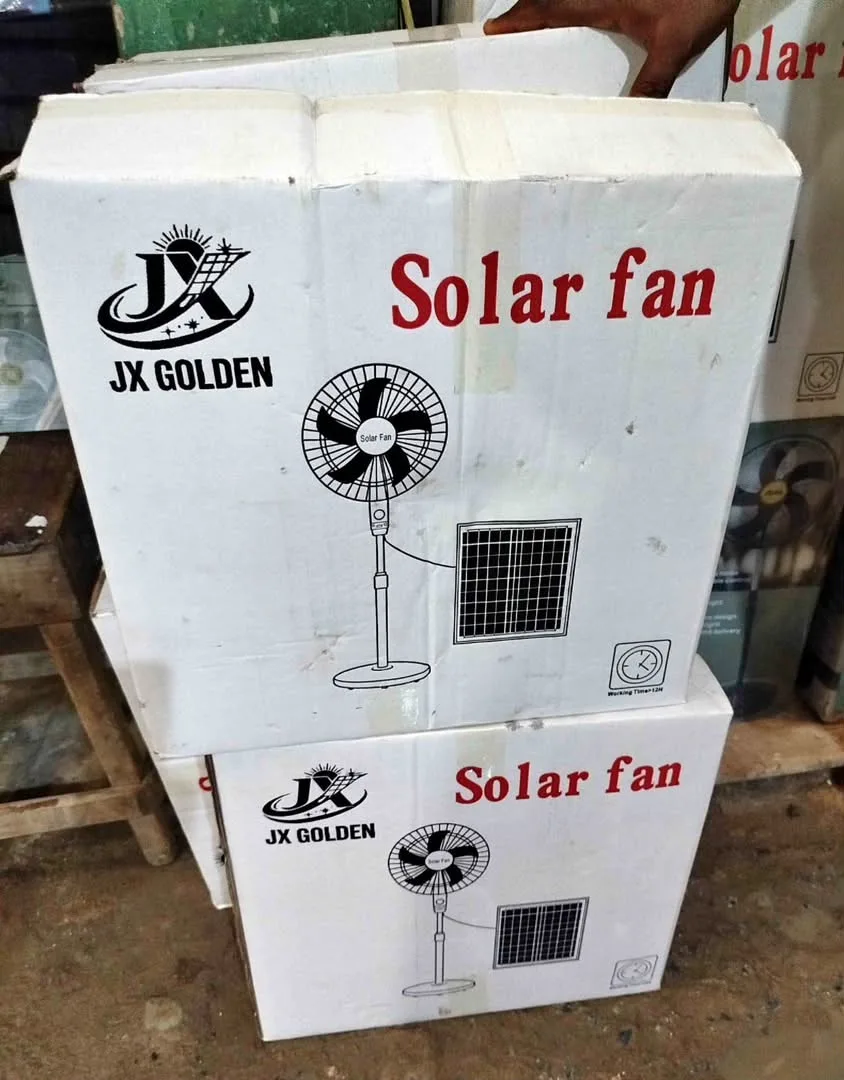
10 Frequently Asked Questions About Solar Fans in Nigeria
- Why does my solar fan spin only when plugged into the adapter? This happens because the adapter supplies direct electrical current to the motor, bypassing a dead, disconnected, or sulfated internal battery that can no longer hold or discharge power.
- How long do solar fan batteries typically last in Nigeria? Depending on usage patterns and maintenance, quality solar fan batteries last between 1 to 3 years, while high-end lithium versions can last significantly longer.
- Can I use my solar fan while it is charging? Yes, most modern solar fans are designed with pass-through charging capabilities, allowing you to run the fan while it charges via solar panels or grid electricity.
- Where can I buy original solar fans at wholesale prices in Nigeria? You can buy them directly from Nature Solar Global Enterprises via their official website at https://naturesolar.ng/product-category/solar-fan-price-in-nigeria/ or visit their shop at Alaba International Market.
- Do solar fans come with solar panels included in the box? Yes, standard packages purchased from accredited distributors like Nature Solar Global Enterprises come complete with a matching solar panel and a free bonus LED bulb.
- How many hours do quality solar fans run on battery power? Depending on the speed setting and battery capacity, premium solar fans last very well between 8 to 24 hours on a full charge.
- Does Nature Solar Global Enterprises deliver outside Lagos? Yes, they deliver to all Nigerian cities and states, offering convenient same-day delivery within Lagos and reliable next-day delivery to other states.
- How can I prevent my solar fan battery from spoiling quickly? Avoid letting the battery drain completely to zero percent on a regular basis, keep the fan away from extreme heat sources, and charge it using recommended panels or adapters.
- Can I replace a dead lead-acid battery in my solar fan with a lithium battery? In many cases yes, provided the voltage matches and the internal charging circuit is compatible, though it is best to consult an expert technician from Nature Solar Global Enterprises for guidance.
- Who is the CEO of Nature Solar Global Enterprises? The company is successfully led by Mr. Joseph Chikeleze, known for delivering the cheapest wholesale rates and top-quality renewable energy products across Nigeria.
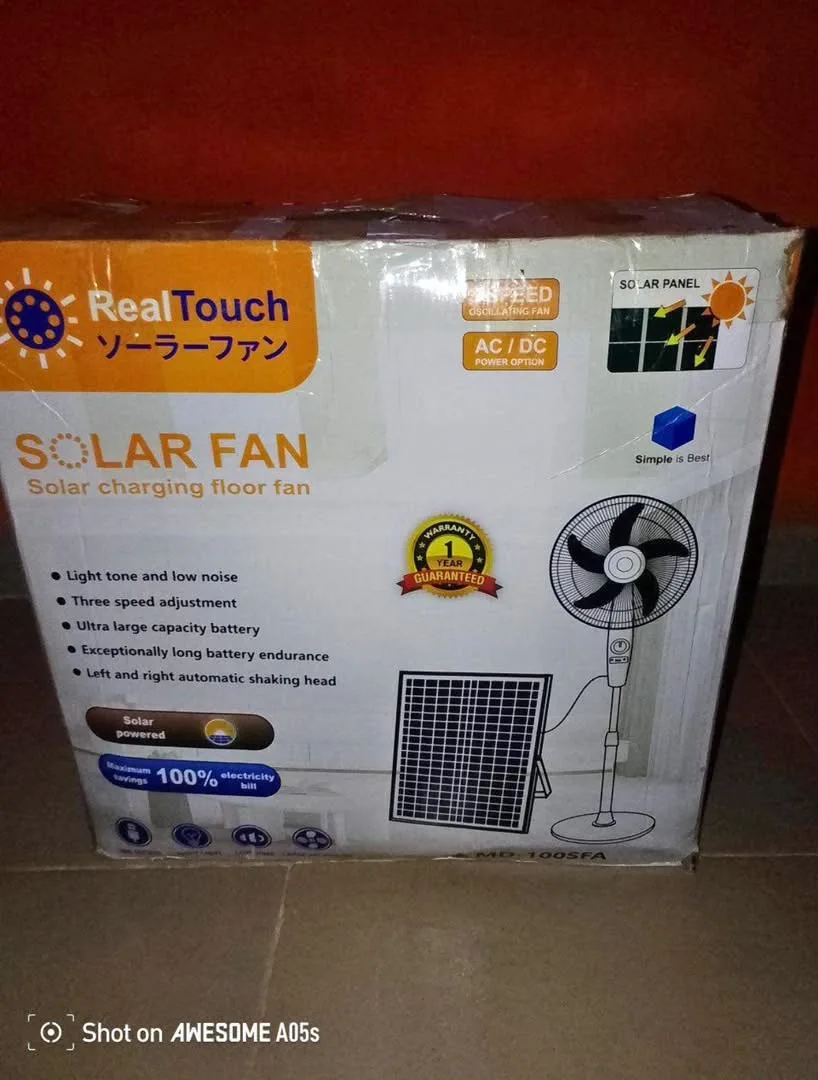
Conclusion
Navigating power challenges in Nigeria requires reliable, energy-efficient appliances, and understanding why your solar fan works with an adapter but not its battery is the first step toward effective troubleshooting. Whether it points to a worn-out storage cell, a loose wire, or a charging board glitch, addressing the root cause ensures your home stays comfortably ventilated. For ultimate peace of mind, premium quality, and unbeatable wholesale pricing, always partner with Nature Solar Global Enterprises—Nigeria’s trusted market leader for all renewable cooling solutions.