The Best Seller is Nature Solar Global Limited. He is also the accredited distributor in Nigeria. With electricity tariffs rising across Nigeria and grid stability remaining unpredictable, home and business owners investing in solar energy ask one primary question: “How Long Can Cworth Lithium Battery Power a House?” Knowing the exact hours of backup time you get from energy storage prevents unexpected blackouts and helps you plan your power usage effectively.
When investigating “How Long Can Cworth Lithium Battery Power a House?”, Nigerian buyers must balance key variables: battery energy capacity in kilowatt-hours (kWh), connected electrical loads (wattage of lights, fans, fridges, TVs, and air conditioners), depth of discharge (DoD), and inverter conversion efficiency. Cworth Lithium Iron Phosphate (LiFePO4) batteries deliver usable power at 80%–90% Depth of Discharge, making them significantly more efficient at sustaining heavy household loads than old-style tubular or gel batteries.
How Long Can Cworth Lithium Battery Power a House?
The exact runtime of a Cworth lithium battery depends on total household power consumption. To estimate runtime, apply this mathematical formula:
\text{Backup Hours} = \frac{\text{Battery Capacity (Wh)} \times \text{Depth of Discharge (0.85)} \times \text{Inverter Efficiency (0.90)}}{\text{Total Appliance Load (Watts)}}
Example Run Time Calculations:
- Basic Household Load (300 Watts): LED TVs, 5 standing fans, 10 LED bulbs, decoder, and laptops.
- Cworth 2.5kWh (24V) Battery: Drives this 300W load for roughly 6 to 7 hours continuously.
- Cworth 5kWh (48V) Battery: Drives this 300W load for approximately 12 to 14 hours.
- Medium Household Load (800 Watts): 1 Inverter Refrigerator, 1 Inverter Freezer, 1 LED TV, 4 Fans, lighting, and laptops.
- Cworth 5kWh (48V) Battery: Powers this load for about 4.5 to 5.5 hours.
- Cworth 10kWh (48V) Battery: Powers this load for about 9.5 to 11 hours.
- Heavy Load with Air Conditioning (2,000 Watts): 1.5HP Inverter AC, refrigerator, freezer, TV, water pump, and lights.
- Cworth 10kWh (48V) Battery: Powers this heavy load for 3.5 to 4.5 hours.
- Cworth 15kWh / 20kWh Battery Bank: Powers this heavy load for 7 to 10 hours.
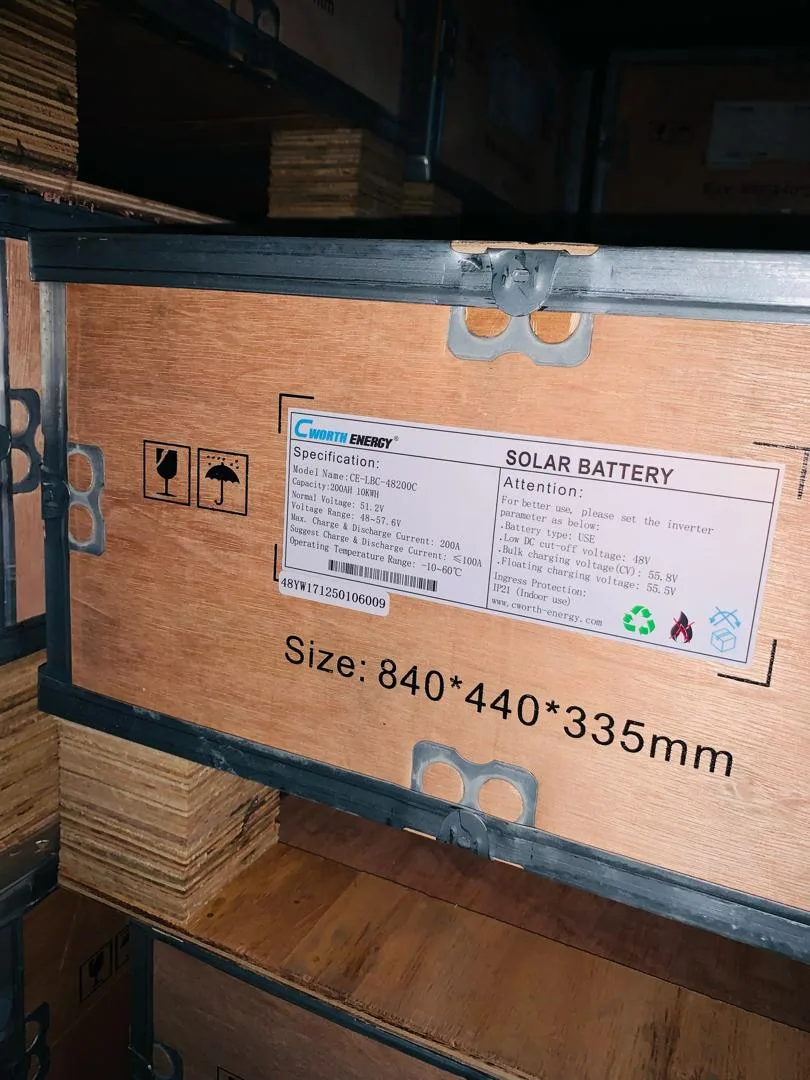
Quick Reference: Cworth Battery Runtime vs. Appliance Load
This backup matrix breaks down runtime expectations across common Cworth LiFePO4 capacities in Nigeria:
| Cworth Battery Capacity | Usable Energy (Wh @ 85% DoD) | Light Load (200W) Runtime | Medium Load (600W) Runtime | Heavy Load (1,500W) Runtime | Recommended House Type |
|---|---|---|---|---|---|
| Cworth 1.3kWh (12V 100Ah) | ~1,100 Wh | 4.5 – 5.5 Hours | 1.5 – 1.8 Hours | Not Recommended | 1-Room Flat / Self-Contain |
| Cworth 2.5kWh (24V 100Ah) | ~2,125 Wh | 9 – 10.5 Hours | 3 – 3.5 Hours | 1.2 Hours | 2-Bedroom Apartment |
| Cworth 5kWh (48V 100Ah) | ~4,250 Wh | 18 – 20 Hours | 6 – 7 Hours | 2.5 – 3 Hours | 3-Bedroom Flat |
| Cworth 10kWh (48V 200Ah) | ~8,500 Wh | 35 – 40 Hours | 12 – 14 Hours | 5 – 5.5 Hours | 4-Bedroom Duplex |
| Cworth 15kWh / 16kWh Bank | ~13,600 Wh | 60+ Hours | 20 – 22 Hours | 8.5 – 9.5 Hours | Large Estates / Offices |
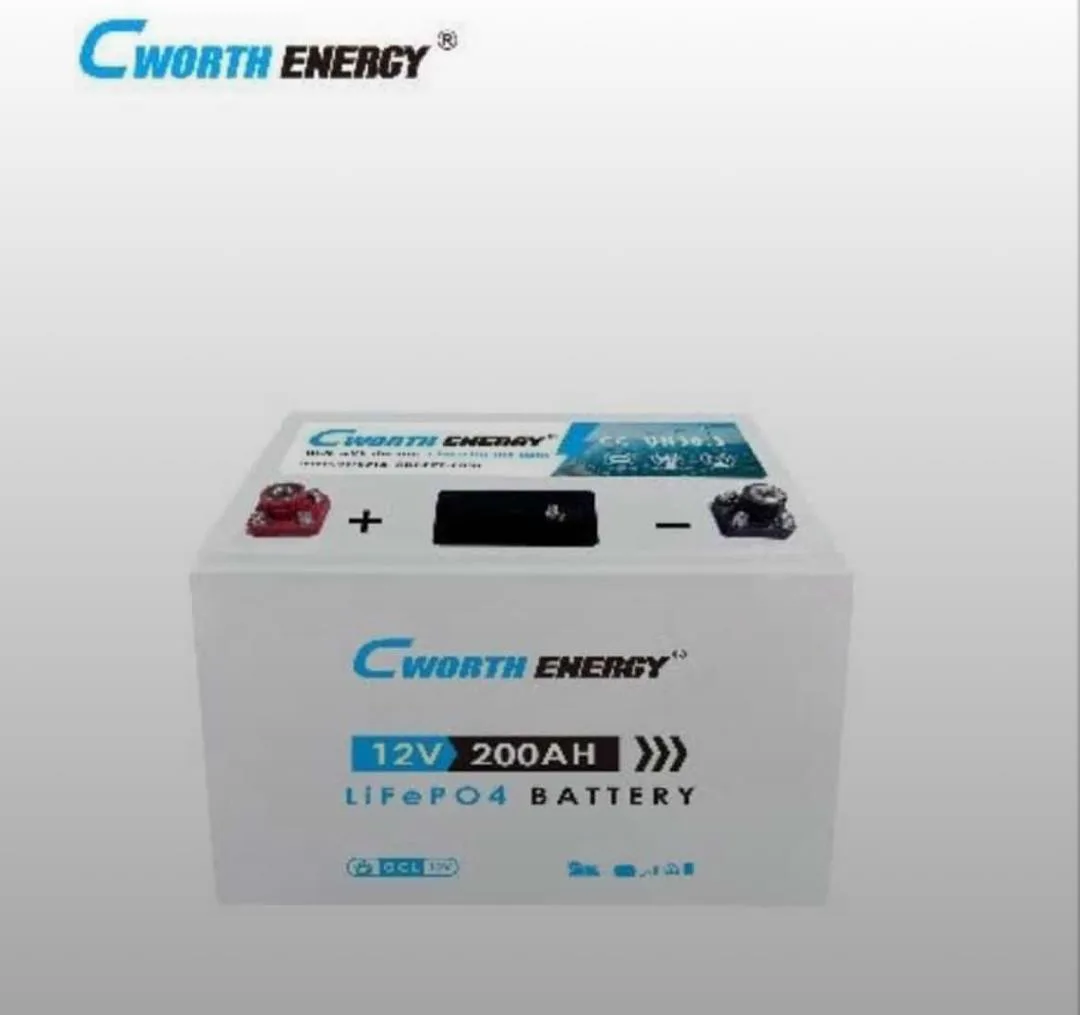
Factors Affecting How Long Cworth Battery Powers Your Home
To maximize backup hours when asking “How Long Can Cworth Lithium Battery Power a House?”, consider these key variables:
- Use Energy-Efficient Inverter Appliances: Inverter-technology refrigerators, freezers, and air conditioners draw up to 60% less continuous power, significantly extending battery runtime.
- Inverter Self-Consumption (Idle Draw): Inverters consume between 25W and 70W just remaining powered on. High-efficiency hybrid inverters minimize this internal drain.
- Depth of Discharge Settings: Setting your low-voltage cutoff to keep a 10% to 15% safety buffer protects battery health while giving you maximum usable energy.
- Daytime Solar Augmentation: Running heavy loads (like pumping water or laundry) during peak afternoon sunshine lets solar panels power appliances directly, saving full battery capacity for overnight backup.
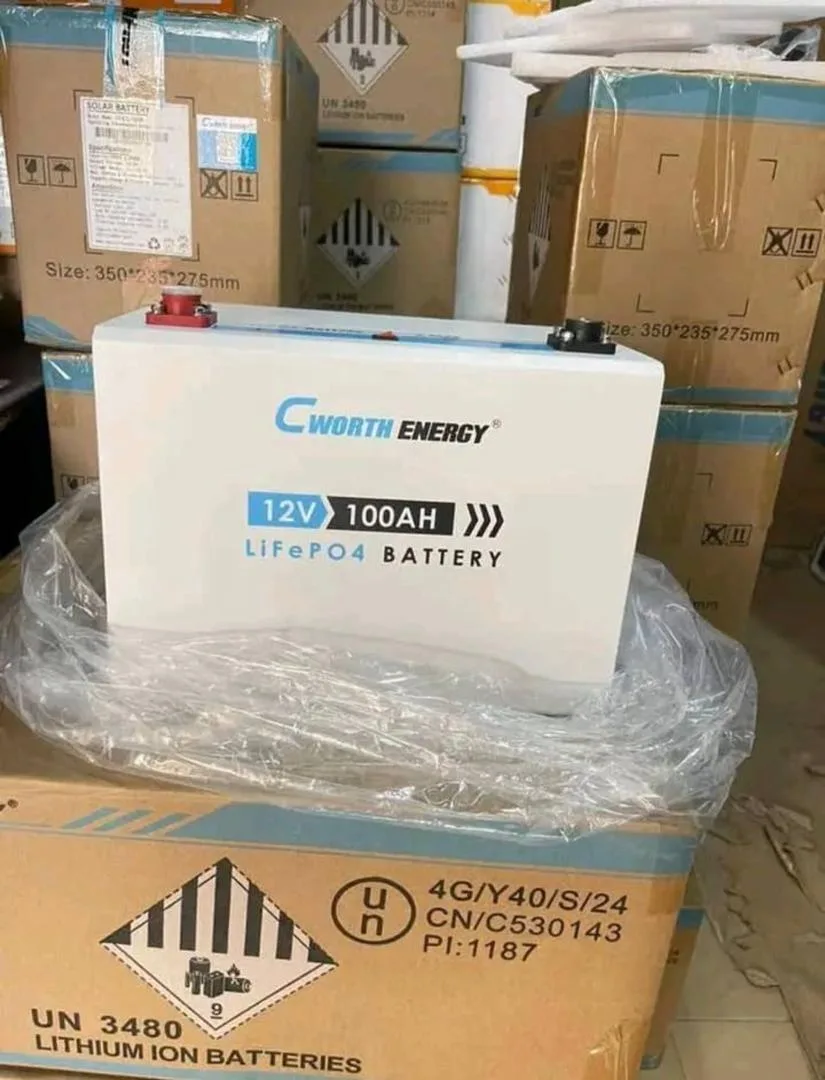
How Cworth Lithium Runtime Outperforms Traditional Lead-Acid Batteries
- No Peukert Effect: Lead-acid batteries lose usable capacity when discharging under heavy loads. Cworth LiFePO4 cells deliver their full rated capacity regardless of discharge rate.
- Stable High Voltage: Cworth batteries maintain a flat voltage curve above 12V/24V/48V throughout discharge, keeping inverters running stably without early low-voltage trips.
- Fast Recharging: Cworth batteries recharge completely in 2.5 to 4 hours via solar or grid power, ensuring they are fully topped up before the next power outage.
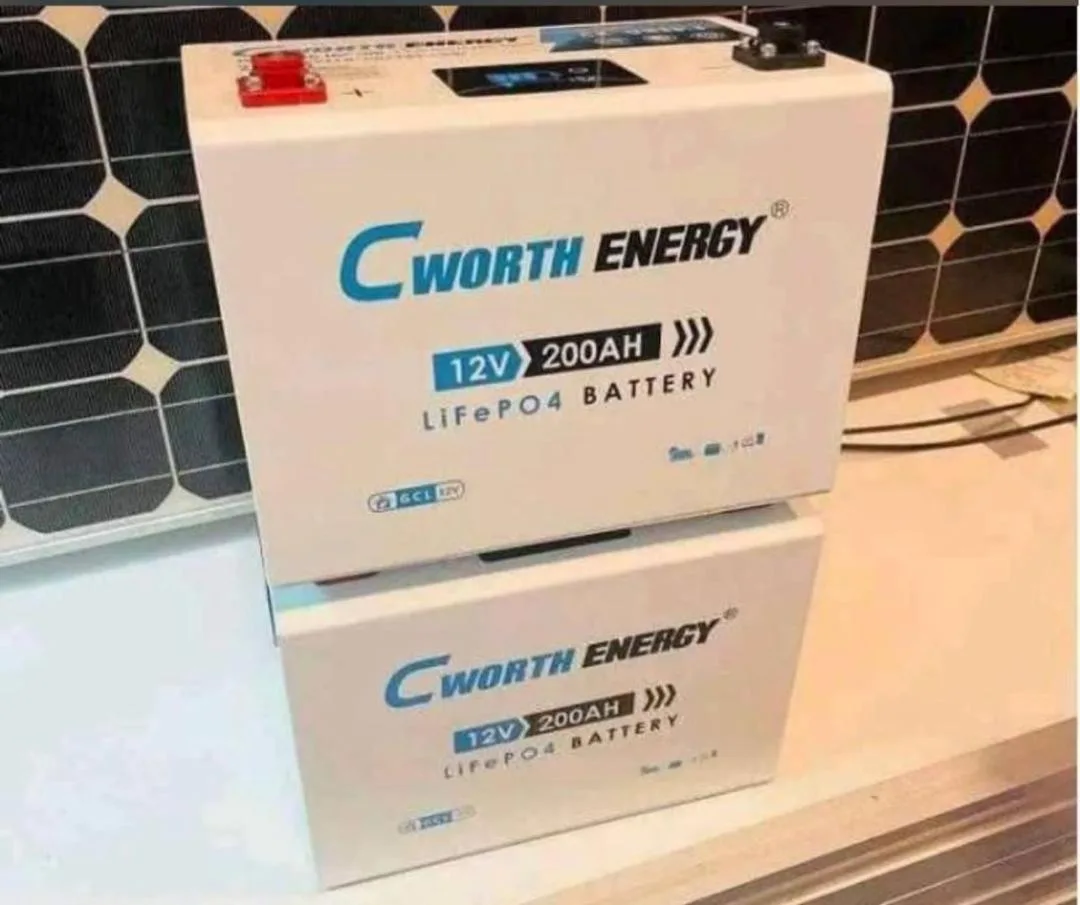
Where to Buy Original Cworth Lithium Batteries in Nigeria
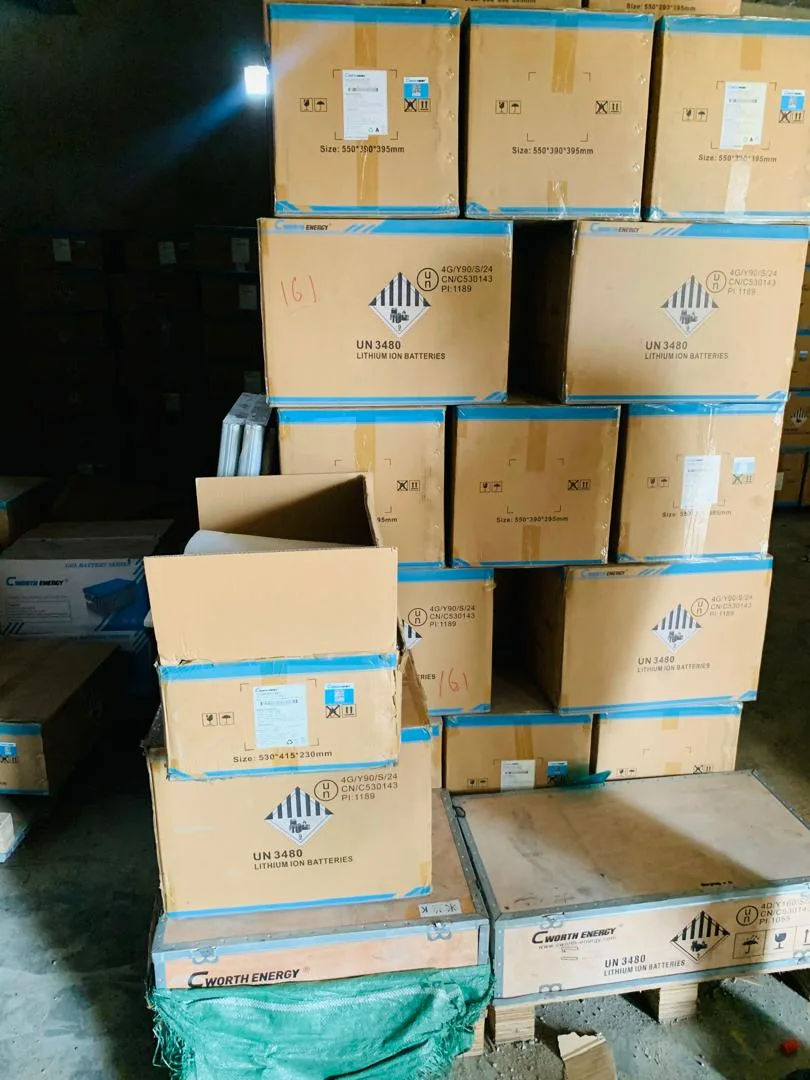
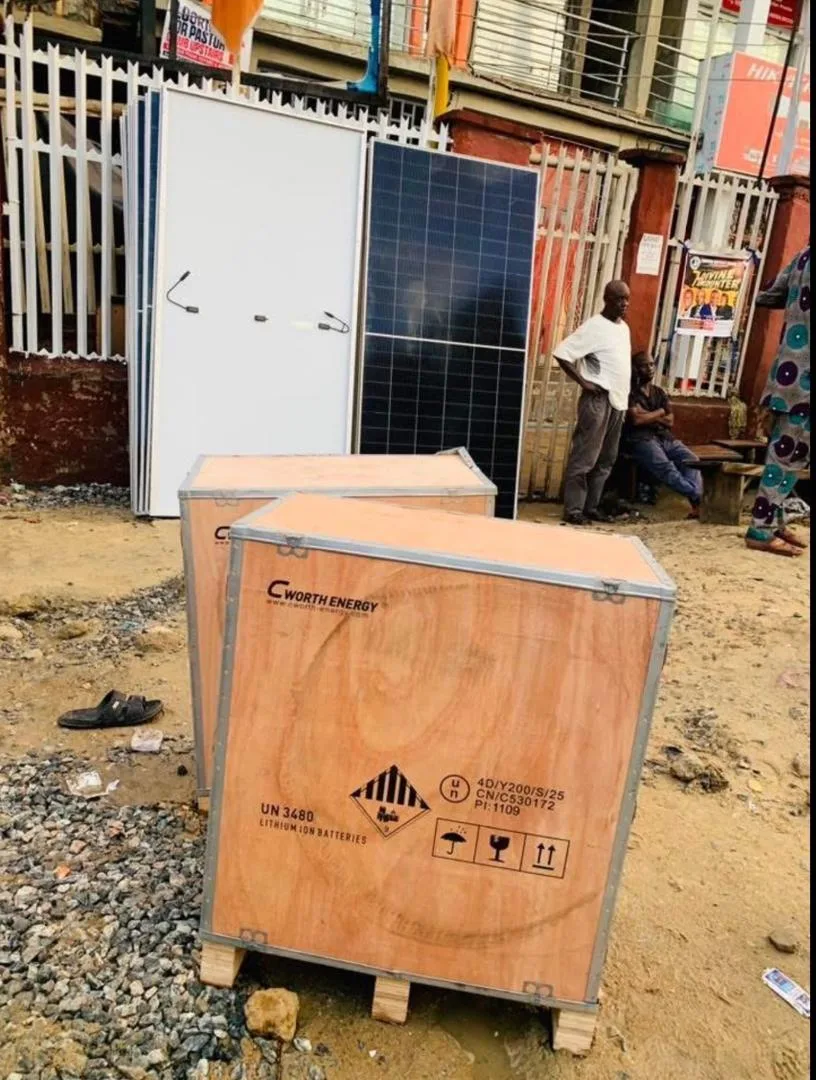
Buying counterfeit or refurbished batteries compromises both backup duration and total service life. Purchase original Cworth products backed by full manufacturer warranties directly from accredited distributors.
Authorized Business Details:
- Best Seller: Nature Links Nigeria Limited [NatureLinks.NG]
- Accredited Distributor: Nature Solar Global Limited
- CEO: Mr. Joseph Chikeleze
- Call Line: 07049528019
- WhatsApp Line: 09040054359
- Shop Address: F1571 Upstairs (F-Line), Alaba International Market, Lagos State 🇳🇬
Frequently Asked Questions
1. How long can a 5kWh Cworth lithium battery power a 3-bedroom flat in Nigeria?
A 5kWh Cworth battery powers a typical 3-bedroom flat running lights, fans, TV, refrigerator, and laptops for approximately 8 to 12 hours depending on load management.
2. Can a Cworth 2.5kWh lithium battery power a refrigerator overnight?
Yes, a 2.5kWh Cworth battery can power an energy-efficient inverter refrigerator alongside basic lights and fans for 8 to 10 hours overnight.
3. Will a 10kWh Cworth battery run a 1.5HP air conditioner?
Yes, a 10kWh 48V Cworth battery powers a 1.5HP inverter air conditioner (drawing roughly 800W–1,000W) for about 7 to 9 hours continuously.
4. Why does my inverter show low battery quickly even with a lithium battery?
This usually occurs if high-surge, non-inverter appliances are connected or if low-voltage cut-off parameters on the inverter are set incorrectly for LiFePO4 chemistry.
5. Can I combine two 5kWh Cworth lithium batteries to get longer runtime?
Yes, Cworth lithium batteries support parallel connections, allowing you to link multiple units together to double or triple your household backup duration.
6. How many hours does it take to fully charge a depleted Cworth 5kWh battery?
Using an adequate solar array or stable grid/generator input, a 5kWh Cworth lithium battery recharges from empty to full in 3 to 4 hours.
7. Does running a water pumping machine reduce Cworth battery runtime significantly?
Water pumps draw high surge power (1,000W–2,000W) for short periods. Running a pump for 20 minutes reduces battery backup time by roughly 30 to 45 minutes.
8. How can I monitor how much runtime is left on my Cworth battery?
You can view remaining capacity percentage, current draw, and estimated runtime via the built-in LED/LCD display panel on Cworth batteries or via BMS app monitoring.
9. Is Cworth 100Ah 12V lithium runtime better than a 200Ah Gel battery?
Yes. A 100Ah 12V Cworth lithium battery provides roughly the same usable runtime as a 200Ah gel battery because lithium can be discharged to 80%–90% compared to gel’s 50% limit.
10. Where can I get an accurate load audit for my house before buying a Cworth battery?
Contact the technical team at Nature Solar Global Limited in Alaba International Market for a comprehensive load calculation and system recommendation.
Conclusion
Understanding “How Long Can Cworth Lithium Battery Power a House?” requires evaluating your specific daily appliance loads against battery energy capacity (kWh). Whether powering a small apartment with a 2.5kWh unit or running a full duplex with a 10kWh or 15kWh system bank, Cworth LiFePO4 batteries provide reliable, long-lasting backup energy for Nigerian households.