The Best Seller is Nature Solar Global Limited. He is also the accredited distributor in Nigeria. When upgrading to a high-performance Lithium Iron Phosphate (LiFePO4) solar setup, Nigerian homeowners and business owners consistently ask: “How Many Solar Panels Do I Need to Charge Cworth Lithium Battery?” Installing too few solar panels leads to incomplete daily charging and reliance on grid/generator power, while installing too many without proper charge controller regulation wastes money.
When evaluating “How Many Solar Panels Do I Need to Charge Cworth Lithium Battery?”, you must consider factors such as battery capacity (kWh), total daily peak sun hours in Nigeria (average 4.5 to 5.5 hours), inverter/MPPT efficiency, and solar panel wattage (e.g., 400W, 500W, 550W, 600W, or 650W panels). Cworth lithium batteries support fast charging, making them highly efficient at capturing maximum solar energy during peak afternoon hours.
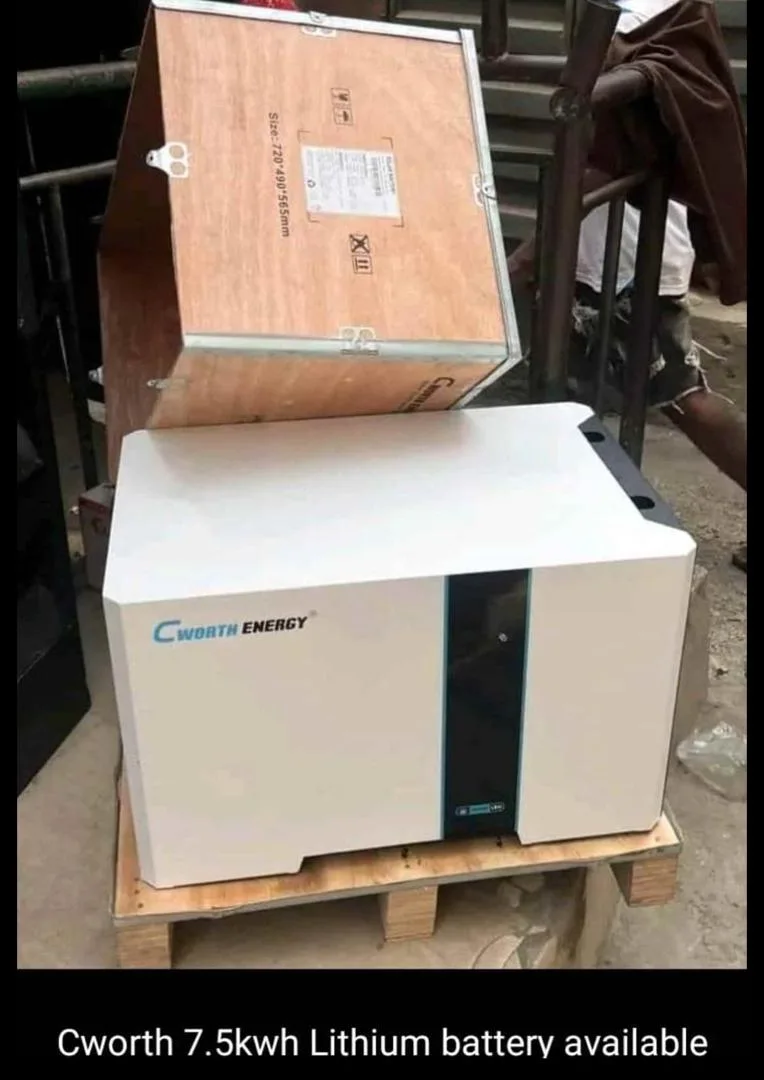
How Many Solar Panels Do I Need to Charge Cworth Lithium Battery?
To accurately calculate how many solar panels are needed, apply the standard solar sizing formula:
\text{Total Solar Wattage Required} = \frac{\text{Battery Capacity (Watt-hours)}}{\text{Peak Sun Hours} \times \text{System Efficiency Factor}}
In Nigeria, peak solar generation averages 5 hours per day, with system efficiency (accounting for wiring resistance and heat losses) estimated at 80% (0.80).
Calculation Breakdown for Cworth 5kWh 48V Battery:
- Energy Needed: 5,000 \text{ Wh}
- Effective Daily Solar Yield: 5 \text{ hours} \times 0.80 = 4 \text{ full-equivalent hours}
- Required Solar PV Array Capacity: \frac{5,000 \text{ Wh}}{4 \text{ hours}} = 1,250 \text{ Watts}
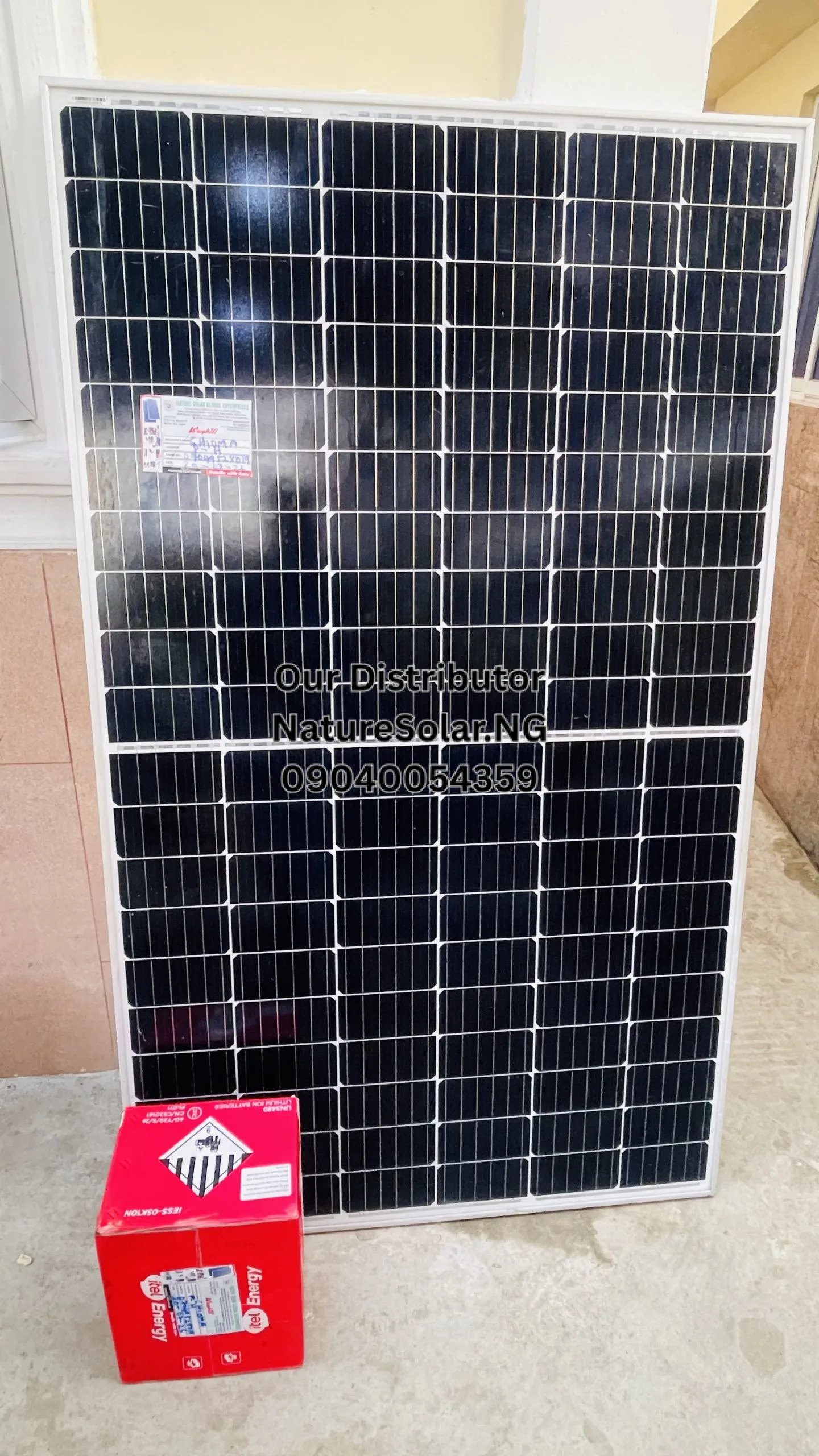
If you use standard 500W Cworth Half-Cut Monocrystalline Panels:
\frac{1,250 \text{ W}}{500 \text{ W}} = 2.5 \longrightarrow \mathbf{3 \text{ Panels (Minimum)}} \quad [\text{4 Panels recommended for rainy/cloudy days}]
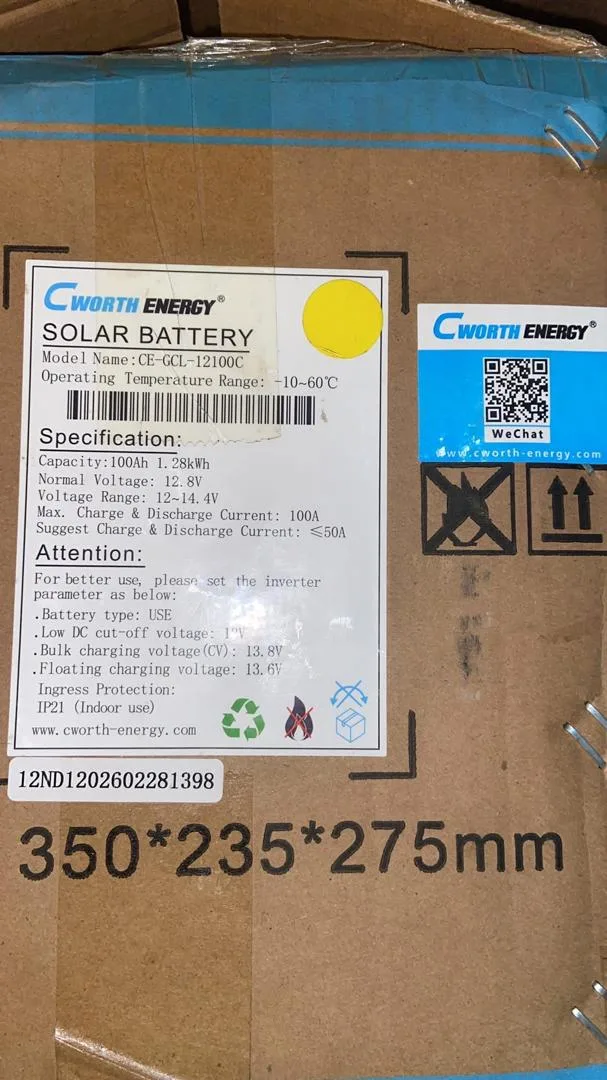
Quick Reference Table: Solar Panel Sizing for Cworth Batteries
Below is a sizing guide for matching popular Cworth LiFePO4 battery sizes with standard monocrystalline solar panels in Nigeria:
| Cworth Battery Capacity | Recommended Total Solar Wattage | 500W Solar Panels Needed | 600W Solar Panels Needed | Estimated Charge Time (Peak Sun) |
|---|---|---|---|---|
| Cworth 1.3kWh (12V 100Ah) | 350W – 450W | 1 Panel | 1 Panel | 3 to 4 Hours |
| Cworth 2.5kWh (12V/24V) | 700W – 900W | 2 Panels | 2 Panels | 3 to 4.5 Hours |
| Cworth 3.8kWh (12V 300Ah) | 1,000W – 1,300W | 3 Panels | 2 Panels | 3.5 to 5 Hours |
| Cworth 5kWh (24V/48V) | 1,300W – 1,800W | 3 to 4 Panels | 3 Panels | 3 to 4.5 Hours |
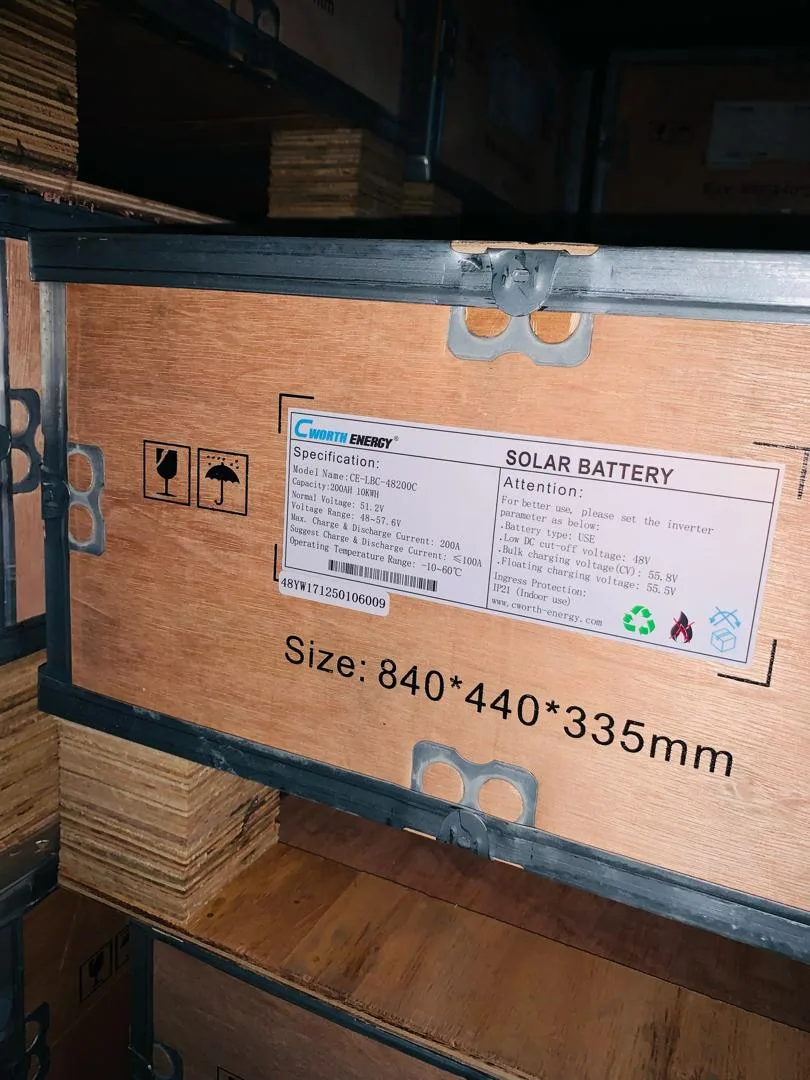
| Cworth 10kWh (48V 200Ah) | 2,600W – 3,500W | 6 to 7 Panels | 5 to 6 Panels | 3.5 to 5 Hours |
| Cworth 15kWh / 16kWh Bank | 4,200W – 5,500W | 9 to 11 Panels | 7 to 9 Panels | 3.5 to 5 Hours |
Factors Influencing Solar Panel Requirements for Cworth Batteries
Knowing “How Many Solar Panels Do I Need to Charge Cworth Lithium Battery?” requires looking beyond battery size alone:
- Daytime Power Load: If you run heavy appliances (refrigerators, air conditioners, water pumps) while the battery is charging during the day, you must add extra solar panel capacity to cover active appliance consumption alongside battery charging.
- Seasonal Sun Levels (Rainy Season vs. Harmattan): Rainy conditions reduce solar irradiance. Oversizing your solar panel array by 20% to 30% ensures full battery recovery even under heavy cloud cover.
- MPPT Charge Controller Efficiency: Using a genuine Cworth 40A, 80A, or 120A MPPT charge controller yields up to 30% more energy from solar panels compared to older PWM controllers.
- Fast Charge Capability: Cworth LiFePO4 cells accept higher charge currents than lead-acid batteries, safely handling rapid daytime solar input without thermal degradation.
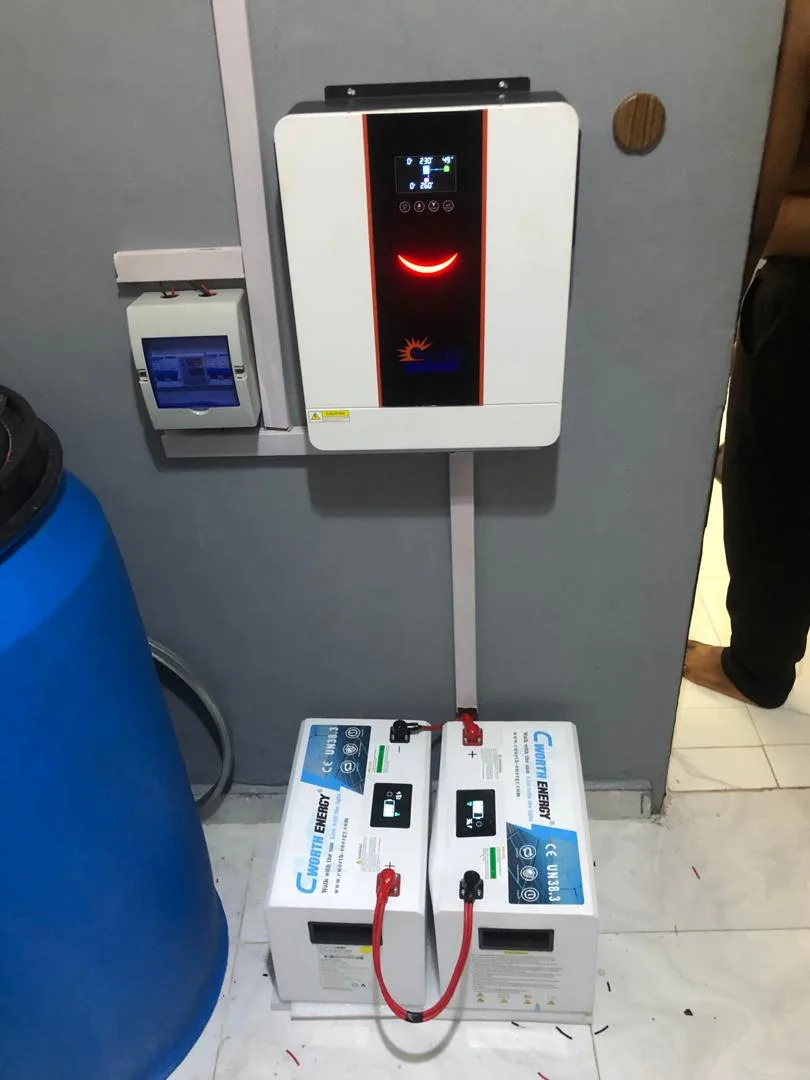
Recommended Charge Controller Sizing for Cworth Solar Setups
To avoid bottlenecking panel output, match your solar panel array capacity to an appropriately rated MPPT controller:
- 12V Systems (1.3kWh – 2.5kWh): Cworth 40A MPPT Controller (handles up to 600W PV)
- 24V Systems (2.5kWh – 5kWh): Cworth 40A or 80A MPPT Controller (handles 1,200W – 2,400W PV)
- 48V Systems (5kWh – 16kWh): Cworth 80A or 120A MPPT Controller or Hybrid Inverter MPPT input (handles 4,000W – 6,000W+ PV)
Where to Buy Original Cworth Lithium Batteries and Solar Panels in Nigeria
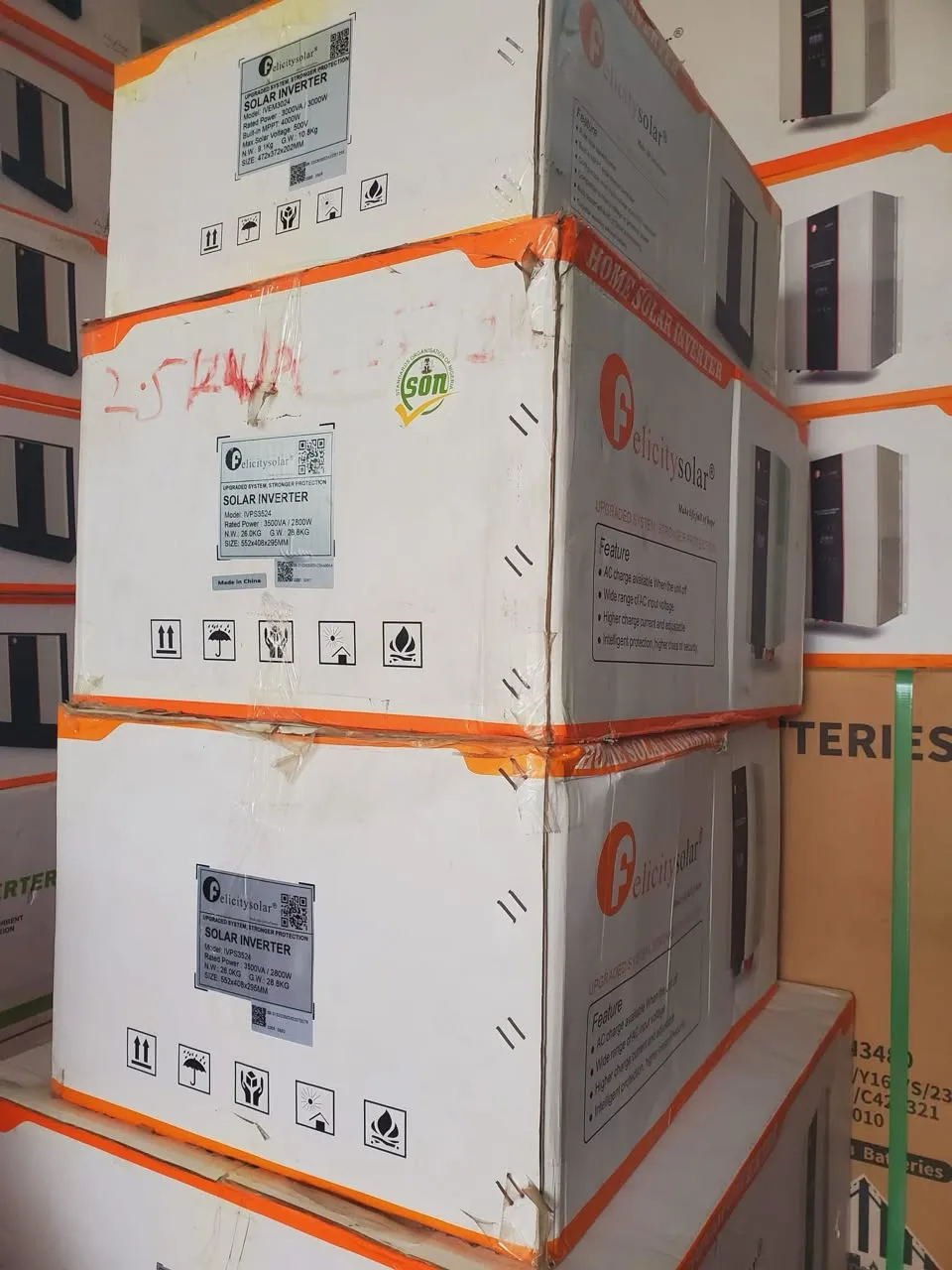
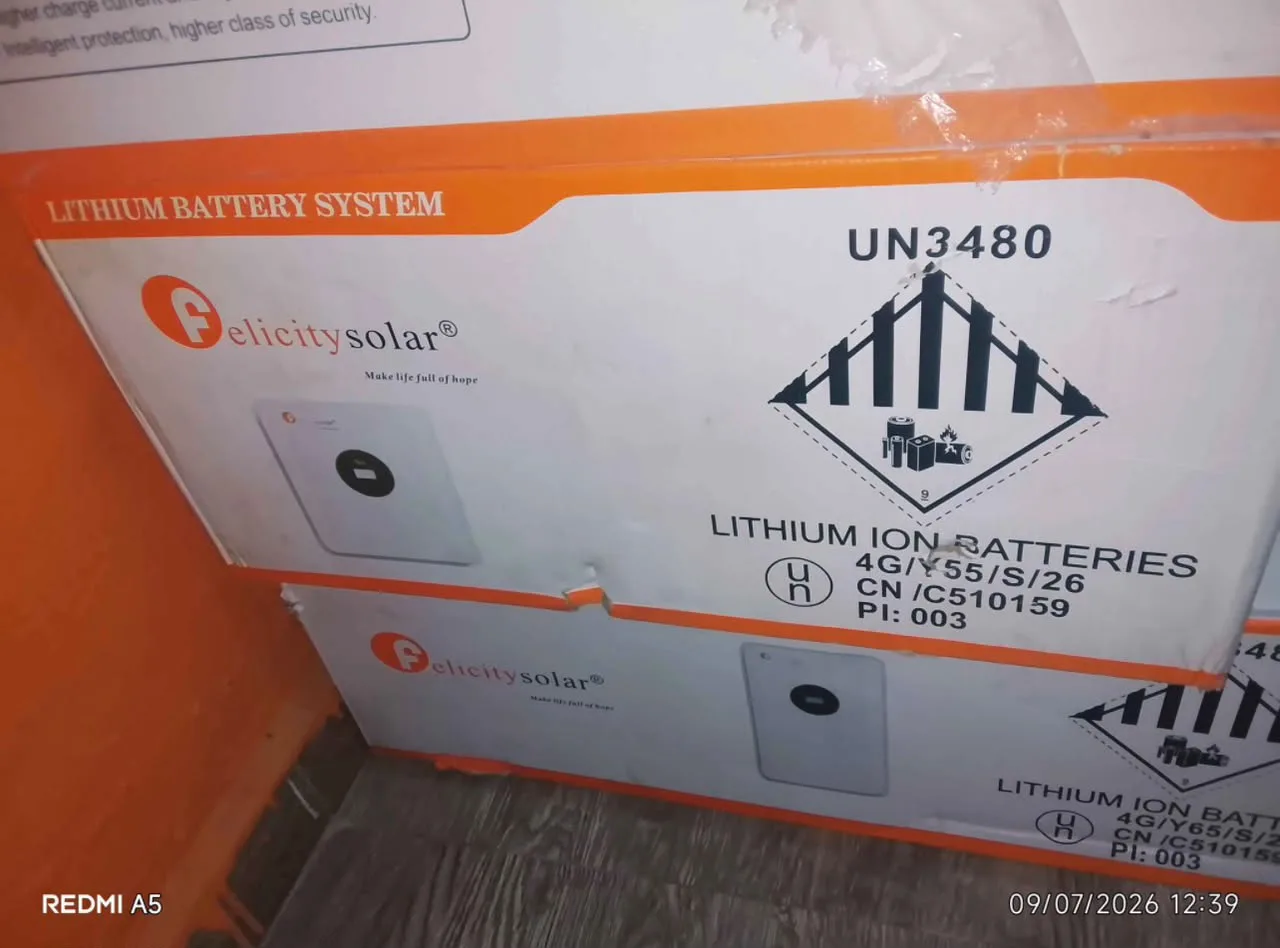
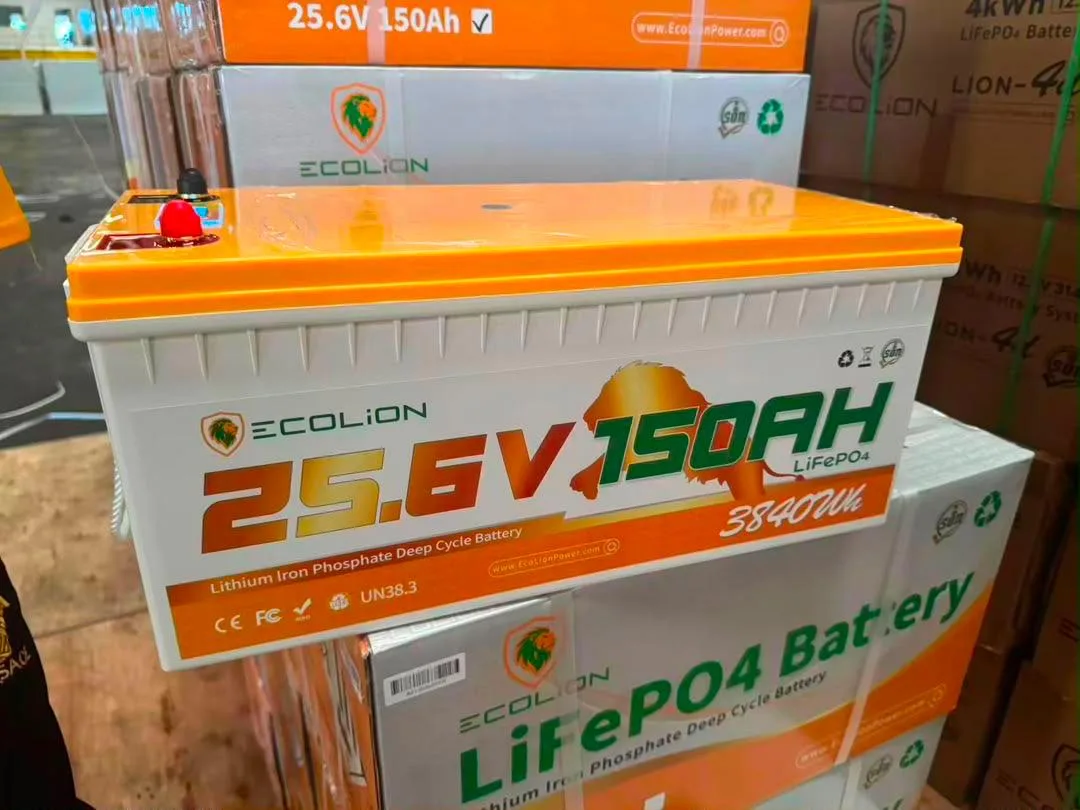
To ensure system longevity and prevent component incompatibility, always source original Cworth batteries, tier-1 solar panels, and certified hybrid inverters from accredited distributors.
Authorized Contact Details:
- Best Seller: Nature Links Nigeria Limited [NatureLinks.NG]
- Accredited Distributor: Nature Solar Global Limited
- CEO: Mr. Joseph Chikeleze
- Call Line: 07049528019
- WhatsApp Line: 09040054359
- Shop Address: F1571 Upstairs (F-Line), Alaba International Market, Lagos State 🇳🇬

Frequently Asked Questions
1. How many 500W solar panels are needed to charge a Cworth 5kWh lithium battery?
You need 3 to 4 units of 500W solar panels to fully recharge a Cworth 5kWh battery in 3 to 4.5 peak daylight hours.
2. Can 2 solar panels charge a Cworth 2.5kWh lithium battery?
Yes, 2 units of 450W–600W monocrystalline solar panels provide sufficient energy to charge a 2.5kWh Cworth battery during standard peak sunshine.
3. How long does it take solar panels to charge a Cworth lithium battery in Nigeria?
Because Cworth batteries feature fast-charge LiFePO4 chemistry, a properly sized solar panel array charges the battery from empty to full in 3 to 5 hours.
4. Can I use 300W solar panels to charge a Cworth 48V 5kWh lithium battery?
Yes, but you will need more physical panel units (e.g., six 300W panels = 1,800W total) wired in series/parallel to meet voltage and power requirements.
5. Do Cworth lithium batteries charge during cloudy or rainy weather?
Yes, monocrystalline and bi-facial solar panels generate power during cloudy conditions, though charging rates slow down. Oversizing your array helps maintain charging performance.
6. Will adding too many solar panels damage my Cworth lithium battery?
No. The solar charge controller and the battery’s built-in smart Battery Management System (BMS) automatically regulate current input, drawing only what the battery safely requires.
7. What size MPPT charge controller do I need for a 5kWh Cworth 48V battery?
A 60A to 80A 48V MPPT charge controller (or the built-in MPPT of a 5kVA/6kVA hybrid inverter) is recommended.
8. Can I charge my Cworth lithium battery using solar panels and grid power at the same time?
Yes, hybrid inverters can combine solar generation with grid or generator power to rapidly charge Cworth batteries.
9. How many solar panels do I need for a Cworth 10kWh lithium battery?
You need approximately 6 to 7 units of 500W solar panels (or 5 to 6 units of 600W panels) for optimal daily charging.
10. Where can I get professional solar panel installation for my Cworth battery in Lagos?
Contact Nature Solar Global Limited at Alaba International Market, Lagos, for certified system sizing, installation, and product delivery.
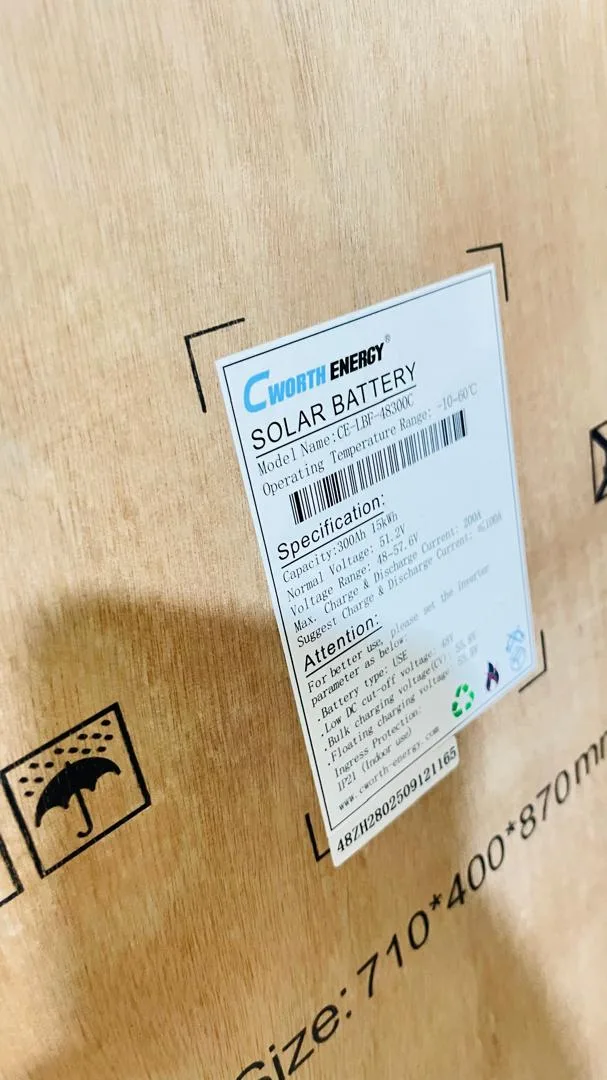
Conclusion
Determining “How Many Solar Panels Do I Need to Charge Cworth Lithium Battery?” relies on matching your battery capacity (kWh) to your daily daytime appliance consumption and local sunshine hours. Whether using 3 panels for a 5kWh unit or 6 panels for a 10kWh bank, Cworth LiFePO4 batteries offer rapid charging and maximum efficiency for Nigerian solar power installations.