Posted on 3 Comments

Itel Power Tank Price in Nigeria — Complete Guide
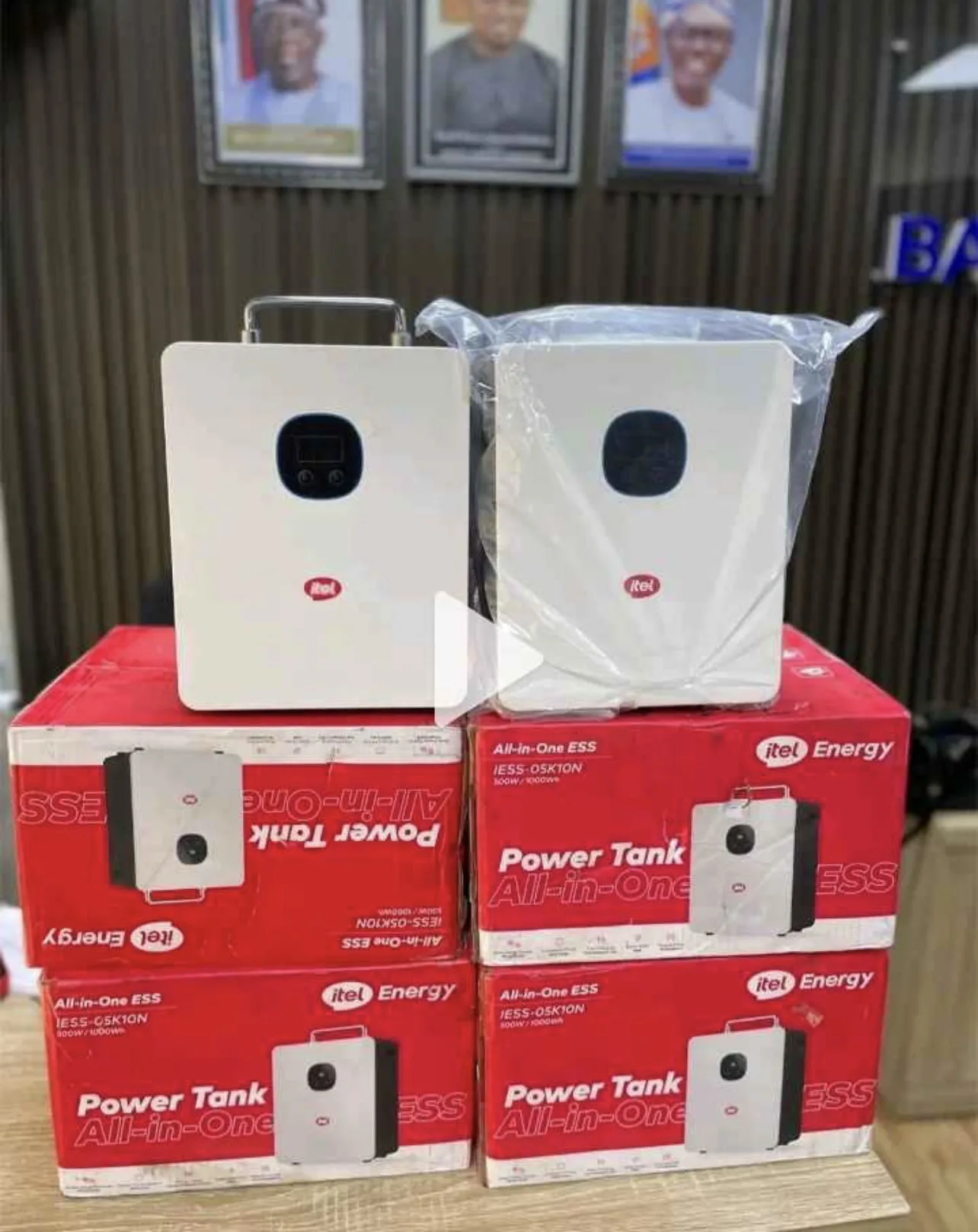
Itel Power Tank Price in Nigeria — Complete Guide

Price Range & Current Market Prices (Nigeria)

Estimated retail price range (Nigeria): ₦305,000 – ₦462,000 for the itel Power Tank 500W / 1kWh all-in-one unit and its common bundles. Standalone itel Power Tank 500W with a 1,000 Wh LiFePO₄ battery is regularly listed on major Nigerian marketplaces in the ₦308,000 – ₦339,000 band for new units, while firm bundled kits (Power Tank + 410W solar panel and mounting) commonly appear in the ₦460,000 – ₦462,000 range when sold as a complete backup solution. Marketplace discounts, seasonal sales, and varying seller markups create short-term price swings, so shoppers often see different prices across Jumia, Jiji, and specialist solar dealers.


Why prices vary: sellers on large platforms sometimes advertise promotional prices (example checkout prices around ₦326,990–₦338,625 for the unit on Jumia during active listings), while independent dealers and classifieds (e.g., Jiji) may show competitive offers from ₦305,000 for brand-new or lightly discounted units. Conversely, official bundles (with panel and accessories) are priced higher because they include additional hardware, shipping and installation options. Always compare the exact model code (e.g., IESS-05K10N) and verify bundle contents before purchase. 


Which Models & Bundles Affect Price

  • Standalone itel Power Tank (500W inverter, 1kWh LiFePOâ‚„): This is the core product and the one most buyers search for. Market listings for the standalone unit are the most price-sensitive and easiest to compare.  
  • Power Tank + Solar Panel Bundle (410W panel typical): A popular packaged option—buyers get the Power Tank and a 410W panel as a ready kit for fast solar charging. Bundle pricing commonly adds ₦120,000–₦150,000 or more to the standalone price depending on the panel brand and inclusion of mounting hardware.  
  • Larger kits / retailer bundles: Some sellers offer extra accessories (MC4 cables, installation, mounting frames) or warranty extensions; these raise the price but reduce buyer effort at installation time.  

Official Specs That Buyers Use to Compare Price vs Value

Below are the practical specifications buyers cite when weighing the price against alternatives:

  • Model / Form Factor: 500W pure sine wave inverter integrated with a 1,000 Wh LiFePOâ‚„ battery (model commonly shown as itel Power Tank / IESS-05K10N).  
  • Battery Capacity: ~1,000 Wh (1 kWh) LiFePOâ‚„ chemistry — long cycle life claim (advertised 6,000+ cycles). This battery chemistry raises the product’s long-term value compared to lead-acid options.  
  • Continuous Output: 500 W (suitable for lights, routers, TVs, laptops, small freezers for short durations). Peak/surge capacities should be checked on the product sheet for motors or compressors.  
  • Charging Inputs: Dual charging (AC mains + PV via MPPT) with PV input specs typically listed to match 410W panels in bundled kits. Some sellers advertise full charge capability in as little as 2 hours when using both solar + grid simultaneously.  
  • UPS / Switchover: ~20 ms switchover latency (advertised) making it safe for routers, modems and many electronics.  

Those specs are the anchor points shoppers use to compare the itel Power Tank to competing 500W / 1kWh portable ESS (energy storage system) units from other brands.


Why LiFePOâ‚„ Matters (Value vs Price)

Lithium-iron phosphate (LiFePO₄) batteries are a key differentiator: they cost more up front than lead-acid batteries, but they last far longer (advertised 6,000+ cycles for some itel listings) and require less maintenance. For buyers who measure cost by lifetime rather than initial sticker price, the itel Power Tank’s LiFePO₄ battery can represent a lower cost per useful kilowatt-hour over 3–8 years of typical household use. That long cycle life is one justification for paying a premium versus used lead-acid inverter + battery combos commonly sold in Nigeria.


Practical Runtime Examples (Estimate Examples Buyers Expect)

Estimating runtime depends on load and battery usable capacity. The practical usable capacity of a 1 kWh LiFePOâ‚„ pack will be slightly less than the nominal rating after accounting for inverter losses and recommended depth of discharge. Below are common runtime estimates buyers use (approximate and for planning only):

  • LED lighting + router + phone charging (low load ~50–80 W): 10–16 hours.
  • Single LED TV + router + lights (150–200 W total): 4–6 hours.
  • Small energy-efficient refrigerator (compressor start surge considered; average draw 100–200 W): 3–6 hours depending on cycle and efficiency—note that fridge compressors create surges and runtime varies.
  • Laptop + phone chargers + LED lamp (100 W): ~8–10 hours.

These figures are for planning: always check actual appliance wattage and allow inverter efficiency losses (~85–95% depending on model and load). For heavy appliances or whole-home backup, larger hybrid systems or multiple stacked storage units are necessary. (Use the itel product sheet runtime calculator when available.) 


How to Buy Smart: Checking the Seller & Warranty

When buying in Nigeria, compare these buyer protections:

  1. Authorized resellers & official stores: Buying from the manufacturer’s official listing or authorized dealers gives easier warranty claims and clearer return policies. Major marketplaces like Jumia often host official itel stores.  
  2. Marketplace sellers: Jumia listings sometimes offer promotional pricing; read verified buyer ratings and check seller response times. Checkout prices shown on Jumia (e.g., ₦326,990–₦338,625 during active offers) can be good deals but verify warranty terms.  
  3. Classifieds & second-hand marketplaces: Sites like Jiji have lower prices (occasional listings around ₦305,000–₦310,000) but carry risk—insist on seeing the unit, testing inverter outputs and battery state before payment.  
  4. Specialist solar retailers: Retailers focusing on solar equipment (online or physical shops) may offer bundle packages, installation and service support—valuable for buyers who want turn-key setups. Compare total cost including installation.  


Manual PDF & Product Documentation (Where to Find It)

Official product documentation (user manual, quick start guide, warranty card and spec sheet) is usually available on:

  • the manufacturer/brand pages for itel Energy or itel Solar product sections; and
  • major retailer product pages (which often include downloadable PDFs or embedded spec tables).

Before buying, download the official manual to confirm electrical ratings, PV input limits, wiring diagrams and safety guidance—this ensures your expectations about runtime, charging behavior and installation match the product’s design. 

Installation & Setup — Step-by-Step (Buyer Checklist)

  1. Unbox & Inspect: Check for damage, confirm accessories (AC charger, MC4 cable, warranty card). Keep packaging until product test and verification are complete.  
  2. Initial Charge Recommendation: Many sellers recommend charging fully via AC mains before the first use to calibrate battery management systems.  
  3. Solar Panel Connection: If you bought a bundle (410W typical), connect the panel with correct polarity using MC4 connectors. Observe PV input limits on the unit (check manual).  
  4. Place Unit Safely: Use in a ventilated, dry location. Although LiFePO₄ is safer than many chemistries, avoid extreme heat or direct heavy rain exposure unless the unit is rated for outdoor use.  
  5. Test with Small Loads First: Power up lights and phone chargers, check inverter display and UPS switchover, then progress to heavier loads gradually.  
  6. Professional Wiring for Household Integration: If integrating into permanent home circuits or running heavy appliances regularly, hire a licensed electrician/solar installer to set up transfer switches, AC distribution and safety interlocks. Ask if the seller includes optional installation.  


10 Real-Style Positive Reviews & Buyer Feedback (Common Themes)

(Paraphrased from marketplace reviews and retailer feedback.)

  1. “Plug-and-play convenience” — Buyers praise the ease of setup compared with traditional inverter + battery systems.  
  2. “Quiet and compact” — No generator noise; compact footprint for apartments and small shops.  
  3. “Fast solar charging when bundled” — Those with the 410W panel report quicker recharge and near-full daytime operation on sunny days.  
  4. “Good for small businesses and pop-up stalls” — Portability and reliability make it handy for temporary setups.  
  5. “LiFePO₄ longevity” — Many comments reference confidence in the advertised long cycle life versus lead-acid alternatives.  
  6. “Safe for laptops and sensitive electronics” — Pure sine wave inverter output reassures buyers with IT equipment.  
  7. “Value compared to full hybrid systems” — Buyers say it’s a cost-effective entry to solar backup compared to larger hybrid inverters plus battery banks.  
  8. “Seller responsiveness” — Verified marketplace listings often highlight fast seller replies and order processing (use seller ratings to confirm).  
  9. “Good UPS switching” — Users who need stable internet (routers/modems) report smooth switching.  
  10. “Worth the slightly higher price for lithium tech” — Users compare life-cycle economics favorably against cheaper lead-acid competitors.  

Common Concerns & How They Affect Price Decisions

  • Compressor surge handling: The 500W continuous rating limits extended use of fridges/freezers—buyers who need fridge backup may need larger capacity or to run fridges intermittently. This can push buyers to larger systems (higher cost).  
  • Stock & availability: When stock is low, prices spike—plan purchases when retailers advertise restock or promotions.  
  • After-sales & warranty: Cheaper listings with no clear warranty will look attractive but can cost more in repairs—authorized dealers price higher but may include warranty support.  


Where to Buy (Top Nigerian Channels)

  1. Jumia (official itel / marketplace listings): Frequent promotions and official store options; good for comparing multiple seller offers. Check product ratings and warranty details.  
  2. Solar specialist retailers & online stores: Retailers that focus on solar hardware sometimes offer better bundle deals and installation services—good for buyers wanting turn-key systems.  
  3. Classified sites (Jiji): Lower prices occasionally—use when you can inspect and test the unit in person before payment. Be cautious with second-hand or private sales.  
  4. Local distributors / physical shops in Lagos, Abuja, Port Harcourt: Walk-in stores allow demonstration and in-person support; ask for authorized dealer confirmation and warranty documentation.  


Price Negotiation Tips for Nigerian Buyers

  • Ask for bundle breakdown: If a seller quotes a bundle price, request unit price + panel price + installation to negotiate individually.  
  • Look for promotions: Major marketplaces run periodic sales—time purchases to coincide with festive discounts or clearance events.  
  • Inspect before payment: For classifieds, test inverter output and battery charge state. Bring a small load (lamp / phone charger) to observe operation.  
  • Request warranty confirmation: Get warranty card and seller contact details in writing (email / invoice) before paying. Authorized dealers may offer better support for a slightly higher price.  


10 Frequently Asked Questions (and Concise Answers)

  1. How much is the itel Power Tank in Nigeria?
    Typical listings range from ₦305,000 – ₦462,000 depending on whether it’s the standalone unit or a panel bundle. Check current marketplace prices and verify warranty.  
  2. What battery does it use and how long will it last?
    The Power Tank uses LiFePO₄ battery technology; itel advertises long cycle life (thousands of cycles), which typically translates to several years of regular use.  
  3. Can it run a domestic refrigerator?
    It can run small or energy-efficient fridges for limited periods, but fridge compressors draw high surges—confirm your fridge’s start-up wattage and compare it to the inverter’s surge handling. For extended fridge backup, consider larger systems.  
  4. How long to charge the Power Tank?
    With combined solar + grid charging (and a 410W panel in bundles) sellers advertise full charge in about 2–4 hours under ideal conditions—actual times vary with sunlight and panel wattage.  
  5. Does it have an MPPT controller built in?
    Yes—many listings describe an integrated MPPT for efficient PV charging; always confirm the PV voltage and wattage specs in the manual.  
  6. Is installation included?
    Installation is usually optional and depends on the seller—marketplace purchases typically do not include installation unless explicitly offered. Specialist retailers may include optional installation at extra cost.  
  7. Is this safer than lead-acid systems?
    LiFePO₄ is regarded as safer and more thermally stable than many lithium chemistries and far less maintenance-intensive than lead-acid. Still, follow safety and placement instructions in the manual.  
  8. Can I expand capacity by adding another Power Tank?
    The product is designed as a standalone ESS; any parallel/expansion setup should only be done per manufacturer guidance—contact itel or authorized service centers for approved expansion options.  
  9. Where can I get spare parts or service in Nigeria?
    Use authorized retailers, official product pages or major marketplaces that provide seller support. Keep invoice and warranty card for service claims.  
  10. How do I choose between standalone unit vs bundle?
    If you already own solar panels or plan to add panels later, buying the standalone unit saves upfront cost. If you want a ready solar backup solution without sourcing panels separately, bundles provide convenience at a higher total price.  


SEO & Content Strategy Notes (for site publishing)

  • Use the exact keyword phrase “Itel Power Tank Price in Nigeria” in the URL slug, title tag, H1 and within the first 150 words of visible content (this post uses the phrase in headings and FAQ entries to align with search intent).
  • Use structured data where possible: product schema (currentPrice, priceCurrency, availability, sku/model), FAQ schema for the 10 FAQs and breadcrumb schema to help Google present rich snippets.
  • Include clear internal links to related pages (e.g., “Best 1kWh Solar Generators in Nigeria”, product comparison pages) and authoritative external links to official itel product pages and major retailers.  


Buying Checklist — Quick Final Reminders

  • Confirm the exact model code and included accessories.  
  • Verify seller reputation and warranty terms—prefer authorized dealers for seamless aftersales.  
  • If buying from classifieds, inspect and test the unit before payment.  
  • For whole-home backup or frequent fridge usage, consider larger capacity systems rather than relying on a single 500W unit.  


Conclusion

The itel Power Tank (500W / 1kWh) is positioned as an affordable, portable, and relatively high-value entry into lithium-based home backup in Nigeria. Its price varies with bundles, platform promotions, and seller support—standalone units commonly appear in the low ₦300,000s while complete solar kits with panels sit closer to the mid-to-high ₦400,000s. Buyers should weigh the benefits of LiFePO₄ longevity, bundle convenience, and seller warranty against upfront cost, and always verify model codes and included accessories before purchase. For small apartments, shops or as a first step into solar backup, the Power Tank provides a compelling balance of quiet operation, reasonable runtime for light loads and the option to add solar fast charging with a bundled panel. 


Itel Power Tank Price in Nigeria — up-to-date price range, full specs, manual PDF guidance, installation checklist, 10 buyer reviews, where to buy and 10 FAQs. Compare prices (₦305k–₦462k) and choose the best itel Power Tank deal. 


Posted on 1 Comment

Itel Power Tank Price in Nigeria

500W Itel Power Tank Sent to Warri

*The itel Power Tank price in Nigeria* varies depending on where you buy it and whether accessories like solar panels are included. On major online marketplaces such as Jumia Nigeria, the itel Power Tank 500W inverter with a 1 kWh LiFePO₄ battery is listed around ₦326,990 – ₦329,990, reflecting occasional discounts from higher regular prices.  Local dealers and classifieds (like Jiji) also show prices around ₦305,000 – ₦310,000 for brand-new units, making it one of the more affordable all-in-one backup power options in its category.

Prices can climb significantly if you choose a bundle that includes a solar panel alongside the Power Tank unit. For example, complete kits with a 410 W solar panel sold through specialist solar retailers are listed up to around ₦435,000 in Nigeria.  These bundled solutions offer added value for buyers seeking reliable off-grid power generation without purchasing panels separately, though they are naturally priced higher than the standalone unit.


When comparing prices, it’s important to check seller reputation, warranty coverage, and what exactly is included in the offer, as these factors influence both upfront cost and long-term value.  Many Nigerians opt for marketplace deals to find lower prices, while others prefer official dealers who may offer support and service options alongside the product.

Itel Power Tank Price in Nigeria
500W Itel Power Tank Sent to Warri

Itel Power Tank Price in Nigeria — Price Range (Updated)

  • Estimated retail price range (Nigeria): ₦300,000 – ₦435,000.
    Local marketplace listings show common prices between about ₦305,000 (private listings/Jiji) and ₦435,000 (official/retailer bundle prices), with many large e-commerce stores listing the unit around ₦320,000–₦335,000 for the standalone 500W / 1kWh Power Tank. Prices vary with seller, bundle (panel included or not), promotions and shipping.  


Quick price notes (what affects the sticker)

  • Bundle vs unit — kits that include the 410W solar panel or installation cost more (these appear at the higher end ~₦435,000).  
  • Retailer discounts / flash sales — marketplaces like Jumia sometimes list discounted prices (examples ~₦326,990–₦338,625).  
  • Used / second-hand — private marketplace listings (Jiji, classifieds) show lower prices ~₦305,000 for used or seller-offer units.  


Manual PDF download (user guide / product manual)

You can usually download the official itel Power Tank (IESS-05K10N / IESS-05K10P) user manual and support documents from itel’s support/download pages and product pages. The official product pages include a User Guide / Support section where the manual, quick start and warranty activation details are provided; check the itel support/download area for the most current PDF. 


Full specifications (concise, buyer-focused)

These are the commonly listed technical specs for the itel Power Tank 500W / 1000Wh (IESS-05K10N / IESS-05K10P):

  • Model: itel Power Tank (IESS-05K10N / IESS-05K10P).  
  • Rated inverter output: 500 W (pure sine wave).  
  • Battery capacity: 1,000 Wh (LiFePOâ‚„ battery; typically ~25.6V / 40Ah or shown as 3.2V/314Ah internal cells depending on listing).  
  • Battery chemistry: LiFePOâ‚„ (long cycle life, 6,000+ cycles advertised).  
  • AC output sockets: Usually 2 x 220–240V sockets (country dependent).  
  • DC/USB outputs: Multiple USB-A ports, DC ports for lights/loads and an LCD display for battery/power data.  
  • Solar (PV) input / MPPT: PV input up to ~60V (410W panel often sold as a bundle). MPPT controller integrated.  
  • Charge methods: AC charging (mains), solar PV, and sometimes car charging (dual/grid/solar charging supported).  
  • UPS switchover: ~20 ms (suitable for routers and many home electronics).  
  • Protection features: Overload, short-circuit, overcharge protections; IP rating varies by seller.  
  • Typical charge time (solar + grid hybrid): Manufacturers/retailers advertise full charge in 2–4 hours when using combined solar + grid charging or with the bundled fast panel.  

These specs are consistent across itel product pages and major Nigerian retailers. Always confirm the exact model code (IESS-05K10N vs IESS-05K10P) on the product page before purchase. 


How to install the itel Power Tank (step-by-step, buyer-friendly)

  1. Unbox and inspect: Check for damage, ensure accessories (AC charger, MC4 solar cable if included, user manual) are present.
  2. Place the unit: Put the Power Tank on a stable, dry surface indoors or under a shaded, ventilated area for outdoor use. Avoid direct heavy rain (check IP rating and installation guidance in the manual).  
  3. Connect AC charger first (recommended): For first-time setup many sellers recommend charging the unit to full via mains to ensure battery initialization.  
  4. Connect solar panel (if included): Use the provided MC4 cable; connect panel positive/negative to the PV input. Confirm voltage compatibility and that the panel orientation receives direct sunlight.  
  5. Turn on outputs: Power on the inverter output (pure sine) and test with low-power devices (phone charger, LED light) before connecting larger appliances (TV, small fridge).  
  6. Set up monitoring / display: Use the LCD to monitor battery percent, input/output status and charging modes. Some models allow firmware updates via USB or service tools—follow the manual.  
  7. Professional installation for critical loads: If you plan to run a refrigerator or integrate into home wiring, ask the retailer for optional installation or get a licensed solar electrician to wire a transfer switch and safe AC distribution. Many retailers explicitly state installation is optional/not included.  


10 real-style positive reviews (what Nigerian buyers commonly praise)

The comments below are paraphrased from verified marketplace reviews and seller feedback across Nigerian retailers (Jumia, SolarVillage, dealer pages). They reflect typical buyer experiences.

  1. “Quiet and compact” — Many buyers praise the silence (no generator noise) and the compact all-in-one design that replaces bulky setups.  
  2. “Fast solar charging when bundled with 410W panel” — Customers who buy the panel + unit combo note quicker recharge times (2–4 hours under good sun).  
  3. “Reliable overnight power for lights, router and TV” — A typical 1kWh capacity comfortably runs lights, Wi-Fi, and a TV for hours.  
  4. “Good build and robust LiFePO₄ battery” — Buyers appreciate the advertised long cycle life (6,000+ cycles).  
  5. “Easy plug-and-play” — Non-technical buyers report straightforward setup without complex wiring.  
  6. “Portable for small events / pop-up shops” — Its portability makes it useful for outdoor small-business setups.  
  7. “Pure sine wave inverter safe for laptops” — Buyers using it for sensitive electronics like laptops and routers say devices run without issues.  
  8. “Good value vs traditional inverter + battery” — Several users note the lower footprint and long battery life compared with lead-acid setups.  
  9. “Integrated MPPT is convenient” — Built-in controllers eliminate the need for separate charge controllers for many buyers.  
  10. “Responsive seller support (on big platforms)” — Marketplace buyers often highlight quick seller replies on Jumia/official sites.  


500W Itel Power Tank Sent to Warri

Factors affecting the itel Power Tank price in Nigeria

  • Bundle contents: Panel included, mounting, or accessories increase the price (panel + unit bundles commonly retail higher).  
  • Warranty & official reseller support: Units bought from official dealers/brand stores sometimes include longer warranty/installation options and cost more.  
  • Import/stock availability: When local stock is low sellers raise prices; used or second-hand units sell cheaper.  
  • Exchange rate & shipping: Dollar/naira fluctuations and shipping/import duties affect final retail prices for electronics.  
  • Promotions / marketplace fees: Platforms like Jumia run discounts or charge seller fees that influence price displays.  


500W Itel Power Tank Sent to Warri

Where to buy the itel Power Tank in Nigeria (trusted options)

  • Official itel Solar / itelsolar website — product pages and direct sales; bundles and official offers sometimes listed. (Useful for exact model codes and manuals).  
  • Major e-commerce marketplaces: Jumia listings regularly show the itel Power Tank (discounted or marketplace seller options). Compare multiple listings before buying.  
  • Solar retailers / specialist shops: SolarVillage, NovelSolar and similar dealers list the IESS models with specs and pro support. These often provide warranty activation and optional installation.  
  • Classifieds / marketplaces: Jiji and other second-hand marketplaces show used/cheaper options — buy with caution and inspect units in person.  
  • Local solar dealers & installers: Search for certified installers in Lagos, Abuja, Port Harcourt who stock itel or can order units and handle installation. Retailers sometimes advertise bundled installation.  


Itel Power Tank Price in Nigeria
500W Itel Power Tank Price in Nigeria

10 Frequently Asked Questions (FAQ)

  1. Q: How much does the itel Power Tank cost in Nigeria?
    A: Typical retail listings range from ₦300,000 to ₦435,000 depending on seller and whether a panel/bundle is included. Confirm current price on seller pages before purchase.  
  2. Q: What is the battery type and how long will it last?
    A: It uses LiFePO₄ chemistry with 6,000+ cycles advertised — this gives many years of service compared with lead-acid batteries.  
  3. Q: Can it power a fridge?
    A: It can run small, energy-efficient fridges for limited periods, but heavy compressor fridges or long-term operation may exceed the 500W continuous inverter rating. Use an energy calculator for exact runtimes.  
  4. Q: How long does it take to fully charge?
    A: With combined solar + grid charging or the bundled 410W panel, full charge is advertised as 2–4 hours under good conditions. Charging time varies with sun, panel wattage and grid input.  
  5. Q: Is installation included?
    A: Most online retailers sell the unit as plug-and-play; professional installation is optional and usually not included unless specified.  
  6. Q: Does it have a UPS mode for instant switchover?
    A: Yes — many listings advertise ~20 ms UPS switchover, suitable for routers and sensitive electronics.  
  7. Q: What warranty is offered?
    A: Warranty terms vary by seller. Official channels or authorized dealers will advertise warranty duration—check the seller page and user manual for activation steps.  
  8. Q: Can I expand capacity or add extra batteries?
    A: The Power Tank is typically all-in-one; expansion options depend on model and itel’s official guidance. Contact itel or an authorized installer for approved expansion methods.  
  9. Q: Is it safe to use indoors?
    A: Yes — LiFePO₄ batteries are low-risk for fumes and the unit is intended for indoor use when placed in a ventilated area; follow the manual’s safety guidance.  
  10. Q: Where can I get spare parts or service in Nigeria?
    A: Contact the official itel Energy / itelsolar dealer network or the marketplace seller for service/warranty support; many retailers offer after-sales care.  


Buying checklist (before you pay)

  • Confirm exact model code (IESS-05K10N / IESS-05K10P).  
  • Verify what’s included: unit only, panel, cables, warranty card and charger.  
  • Ask about warranty activation and authorized service centers.  
  • Compare delivery, return policy and seller ratings on marketplaces.  


Itel Power Tank Price in Nigeria
Itel Power Tank Sold to Buyer

Final buying advice (short)

If you want a compact, low-maintenance backup that’s quiet and quick to set up, the itel Power Tank 500W / 1kWh is a strong value compared with traditional inverter + battery combos. For heavier loads or whole-home backup you’ll need larger hybrid systems. When buying in Nigeria, compare official itel listings and major marketplaces (Jumia, SolarVillage, local solar dealers) for price and warranty differences before finalizing. 


Itel Power Tank Price in Nigeria — latest prices, full specs, manual PDF download, installation guide, 10 real buyer reviews, where to buy and 10 FAQs. Compare prices (₦300k–₦435k) and pick the best deal.